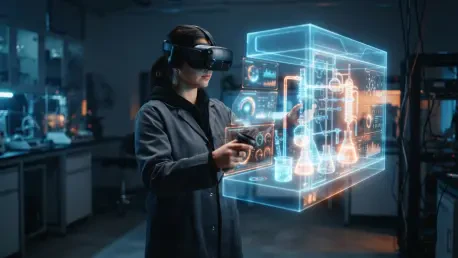
An analysis of learning outcomes revealed that students achieved an average accuracy of seventy-six percent on titration theory before they even began their practical training. This high baseline suggests that modern chemistry students entering university programs in 2026 often arrive with a robust
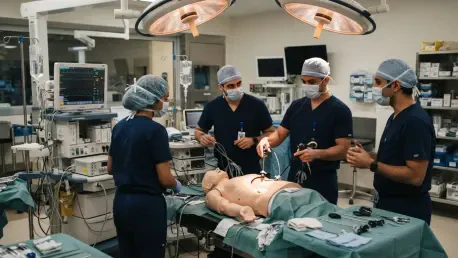
Bridging the persistent divide between academic theory and the practical realities of the operating room requires a more nuanced approach to problem-based learning in dental residencies. The transition from a controlled educational environment to the high-pressure setting of a dental clinic often

Research indicates that dental students frequently utilize mobile learning platforms at least once a week to supplement their traditional clinical training. This trend reflects a broader evolution within the medical field where digital literacy has transitioned from a specialized skill to a

The rapid expansion of India's urban infrastructure has created an urgent demand for a workforce that can navigate increasingly complex site hazards through specialized safety literacy. As high-rise residential towers and intricate commercial complexes redefine city skylines, the traditional

By transforming foundational phonemic recognition into interactive games, teachers ensure that students remain active participants in their own cognitive development. This shift at Mineral Springs Elementary represents a major departure from the traditional classroom model, where the boundary
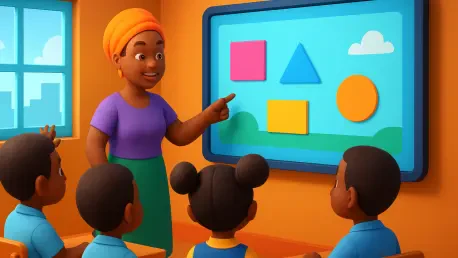
High-level engagements in Lagos and Abuja are focusing on refining the use of educational data to improve long-term learning outcomes for Nigerian youth. This strategic shift represents a pivotal moment in the nation's pedagogical history, as the integration of advanced analytics and real-time