
The modern educational landscape often places immense pressure on students to perform academically while overlooking the essential development of their emotional and social intelligence. In response to this growing need for a balanced approach to learning, the Hopeful Hearts Foundation has introduced a transformative initiative named Minds in Motion, which aims to integrate holistic wellness practices into the daily lives of children. By launching this program in conjunction with the observation of World Children’s Day on November 20, 2026, the organization has underscored its dedication to nurturing the complete child, ensuring that mental health is prioritized alongside literacy and mathematics. This strategic move acknowledges that the stresses of the modern world do not spare the young, and providing them with the necessary tools to navigate these pressures is no longer an elective luxury but a fundamental necessity for sustainable personal and academic success in the current year and for all future generations. The foundation seeks to foster an environment where resilience is standard.
1. Implementing Physical and Mental Wellness Strategies
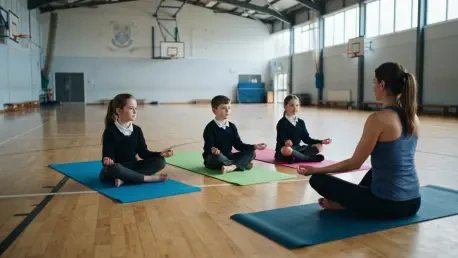
The foundation of the Minds in Motion initiative lies in its ability to seamlessly weave mindfulness into the existing fabric of the school day without disrupting the primary academic focus. Under the expert guidance of professional instructors like Tiffany Donelan, students are introduced to age-appropriate movements that allow them to explore their physical capabilities while simultaneously calming their minds. These yoga sessions provide a dedicated space for children to release the physical tension that often builds up during long periods of seated study, promoting a more fluid and comfortable learning experience. By normalizing these practices within the educational environment, the foundation helps to strip away the stigma often associated with mental health care and emotional vulnerability. The sessions are designed to be inclusive, ensuring that every child, regardless of physical fitness level or previous experience, can participate and reap the benefits of the movements. This approach not only improves physical flexibility but also strengthens the connection between the body and the mind, which is essential for holistic development.
Students are guided through a specific four-step process designed to build comprehensive self-regulation skills during their sessions. First, the children start physical activities by engaging in yoga sessions that utilize movements specifically chosen for their age group to ensure accessibility and safety for all participants. Second, instructors teach the children how to practice controlled breathing, utilizing specific techniques to help them regulate their physical and emotional states during moments of high stress or anxiety. Third, the initiative encourages students to engage in awareness exercises, introducing mindfulness practices that assist them in staying present and focused throughout their academic lessons. Finally, the students utilize calming methods, learning various relaxation techniques to reduce stress and release physical tension that often accumulates during a long school day. This structured sequence ensures that every participant gains a versatile toolkit that can be employed whenever they feel overwhelmed or frustrated by their daily environment.
2. Facilitating Effective Conflict Resolution in Classrooms
Conflict resolution within a school setting often presents a significant challenge for educators who are frequently forced to intervene in peer disputes without addressing the underlying emotional triggers. Minds in Motion addresses this gap by emphasizing the critical importance of self-awareness as a fundamental prerequisite for solving disagreements in a constructive manner. By teaching students the practical skill of pausing and reflecting before they react to a perceived provocation, the initiative fosters deeper empathy and more effective communication among classmates. This deliberate shift from impulsive reaction to thoughtful response helps transform classrooms into significantly more peaceful environments where students feel safe and respected. When children understand how to monitor their own internal states, they are much better equipped to navigate the complexities of social interactions. Consequently, the program builds a culture of mutual respect that extends far beyond the confines of the actual yoga mat or the classroom door.
Beyond the immediate reduction of playground disputes, the focus on emotional awareness serves to cultivate a generation of individuals who can maintain healthier relationships throughout their lives. The initiative recognizes that many traditional behavioral interventions focus solely on the outward action rather than the internal feeling that prompted the behavior in the first place. By providing a space for students to explore their feelings through mindfulness, the foundation allows children to develop a vocabulary for their emotions, which is essential for healthy communication. This process encourages students to see their peers as individuals with their own internal struggles, thereby increasing the likelihood of empathetic responses during moments of tension. The ability to manage frustration and improve concentration is a life skill that translates directly into better academic performance and social cohesion. Ultimately, the program creates a supportive network within the school where students are empowered to take responsibility for their own emotional well-being and the impact they have on their surrounding community.
3. Supporting Sustainable Program Growth and Regional Reach
Such a broad vision for educational reform requires substantial support from both local and international communities to ensure its longevity and effectiveness in diverse school environments. The Minds in Motion initiative has received significant backing from the Global Citizen Forum and prominent international figures like Machel Montano, whose advocacy for wellness has been instrumental in raising awareness. This collaborative effort highlights the growing global consensus that mental health support is a collective responsibility that involves nonprofit organizations, public figures, and educational institutions. The foundation extends its sincere appreciation to these partners, whose resources and encouragement have made it possible to bring professional yoga instruction directly to the students who need it most. By leveraging these endorsements, the Hopeful Hearts Foundation has secured the necessary funding and visibility to launch the program with high-quality facilitators. This level of support ensures that the program is not merely a temporary intervention but a well-resourced pillar of the foundation’s overall mission.
The long-term strategy for this initiative involves a systematic expansion into additional schools across the region to ensure that every child has access to these vital mental health tools. Following the initial success of the pilot sessions, the Hopeful Hearts Foundation is actively working with administrators to integrate mindfulness into the standard weekly schedule for various grade levels. The goal is to cultivate a generation of children who possess the emotional resilience and confidence needed to navigate the myriad challenges they will face both inside and outside the classroom. As the program scales, the foundation remains committed to maintaining the high standards of instruction that have characterized the early stages of the project. This involves ongoing training for educators and the continuous refinement of the curriculum to meet the evolving needs of the student population. By expanding the reach of Minds in Motion, the organization is taking a proactive step toward building a more resilient society where young people are equipped with the inner strength to overcome obstacles.
4. Developing Emotional Resilience for the Future
Educators and administrators recognized that the systematic introduction of yoga provided a necessary buffer against the increasing psychological demands placed on modern students. The Hopeful Hearts Foundation solidified its commitment by establishing clear protocols for future implementations, ensuring that teachers remained equipped to support these wellness practices independently. Actionable next steps included the development of a digital resource library and the scheduling of recurring workshops for parents to reinforce these habits at home. By prioritizing emotional intelligence, the foundation demonstrated that the path to academic excellence was inherently linked to the mental stability of the youth. Stakeholders agreed that the focus should remain on creating inclusive spaces where vulnerability was met with support rather than judgment. This forward-looking approach established a new benchmark for educational standards, proving that resilience could be taught through consistent practice and dedicated community involvement.
The successful rollout of Minds in Motion underscored the vital importance of incorporating mental health into the core mission of public and private education. Advocates emphasized that the initial results provided clear evidence that students who practiced mindfulness were more likely to succeed in high-pressure environments. To sustain this momentum, the foundation initiated several key measures to ensure long-term viability across the school system. These steps included the creation of peer-to-peer mentoring groups where older students helped younger ones master the breathing techniques they had learned. Furthermore, a formal monitoring system was introduced to track the long-term social impact on classroom dynamics and student behavior patterns. By documenting these outcomes, the foundation aimed to provide a blueprint for other regions seeking to implement similar wellness programs. This comprehensive approach ensured that the benefits of the program would continue to serve the community by fostering a generation of emotionally capable and resilient leaders.