
The National School Nutrition Program often excludes undocumented children, leaving a significant portion of the student population without access to daily meals during school hours. This reality is just one symptom of a deeper malaise identified in the South African Human Rights Commission’s (SAHRC) 2026 State of Schools Monitoring Report. Based on rigorous on-site investigations across 173 public schools, the report paints a devastating picture of a system in which constitutional rights are frequently treated as optional. The commission found that administrative failures and crumbling facilities have become the baseline experience for thousands of students, particularly in historically marginalized provinces. This formal indictment of the Department of Basic Education (DBE) demands a total overhaul of the current approach to school safety and resource management. With a strict 60-day deadline issued for a government response, the state now faces immense pressure to prove that it can still provide a safe and equitable environment for the nation’s future leaders.
Severe Infrastructure and Health Risks
The Normalization of Hazardous Learning Environments
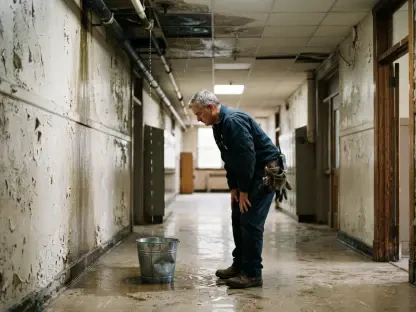
The SAHRC investigation revealed a disturbing trend where hazardous learning environments have become an accepted norm within the public education sector. Many schools continue to operate within structural shells that are literally falling apart, with cracked foundations and leaking roofs being the least of the concerns. In several instances, students are being taught in classrooms contaminated with asbestos, a material that was banned years ago due to its carcinogenic properties and severe health risks. Despite national regulations mandating the removal of these dangerous substances, the pace of remediation has been glacially slow. The normalization of these risks suggests that the safety of students is being deprioritized in favor of maintaining the status quo. When children are required to spend their formative years in buildings that pose a physical threat to their well-being, the fundamental right to a safe education is effectively suspended. This systemic neglect has left many communities feeling abandoned.
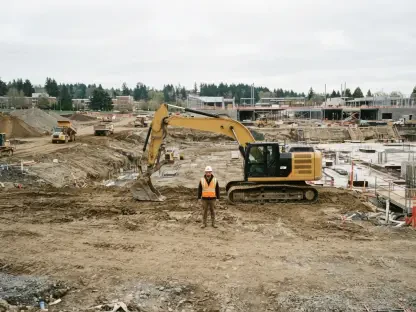
The persistence of these hazardous conditions is often tied to a profound disconnect between national safety policies and the execution of construction projects on the ground. The report highlights numerous cases where infrastructure improvements have been abandoned midway, leaving schools as building sites rather than centers of learning. In provinces like Gauteng and the Eastern Cape, projects designed to replace aging facilities have frequently stalled because allocated funds were exhausted before completion or mismanaged by contractors. This financial instability means that temporary solutions, such as dilapidated mobile classrooms, become permanent fixtures that offer little protection from the elements. Furthermore, the absence of a robust national infrastructure audit has allowed the department to operate without a clear understanding of the scale of decay. Without an urgent injection of transparent funding and a commitment to completing these legacy projects, school buildings will continue to fail.
The Failure to Provide Safe Sanitation and Water
Safe sanitation remains one of the most glaring failures within the current educational landscape, with pit toilets continuing to plague schools despite repeated government promises to eradicate them. The report identifies provinces like Limpopo as hotspots where the dignity of students is compromised daily by the use of primitive and dangerous latrines. These facilities are not only unhygienic but have historically been the site of tragic accidents, yet the transition to modern systems remains painfully slow. Even in areas where new technology has been implemented, poor maintenance and structural cracks have rendered many toilets unusable within a few years. The failure to provide basic sanitation is a violation of human dignity and creates an environment where students feel unsafe and unsupported. This ongoing crisis highlights a lack of political will to prioritize fundamental infrastructure that directly impacts the health and safety of the student population.
Complementing the sanitation crisis is the widespread lack of reliable access to potable water, a deficiency that forces school administrators to make impossible financial choices. In many rural districts, municipal water supplies are either nonexistent or so erratic that schools must rely on expensive private tankers to keep their doors open. Some institutions have attempted to find self-sufficient solutions by drilling boreholes, yet these sources are rarely subjected to quality testing, leaving students at risk of consuming contaminated water. The financial strain of purchasing water weekly often comes at the expense of other educational resources, such as books or science equipment. The commission noted that the absence of water security is a primary driver of absenteeism and illness, effectively disrupting the academic calendar for the most vulnerable students. Addressing this requires a coordinated effort to ensure that every school has a stable and clean water connection at all times.
Resource Management and Accessibility Barriers
Chronic Overcrowding and Material Shortages
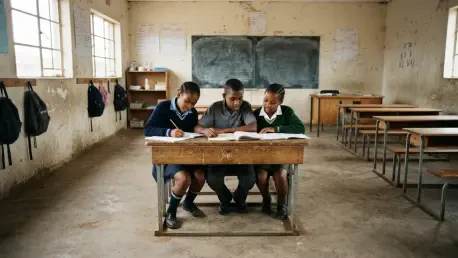
Overcrowding has reached a breaking point in several provinces, creating a classroom environment where meaningful learning is virtually impossible. The SAHRC documented instances where a single educator was expected to manage over 100 students in a space designed for a third of that number. Such density not only makes individualized instruction a distant dream but also creates significant safety and discipline challenges for staff. When students are packed so tightly that they cannot move freely, the quality of the educational experience collapses, and teachers quickly succumb to burnout. This crisis is exacerbated by a chronic shortage of basic furniture, which leaves many students without a dedicated place to write or store their materials. In the Eastern Cape and KwaZulu-Natal, it is common to see three or more children sharing a single desk meant for two, while others sit on the floor during lessons. These conditions signal to the youth that their education is not a priority.
The failure to provide adequate furniture and space points to a breakdown in the procurement chain within the education department. While the government has acknowledged a significant furniture backlog, the progress toward resolving these shortages has been insufficient to keep pace with growing enrollment. Many schools rely on broken desks that are unsuitable for a classroom, further hampering the physical comfort necessary for sustained focus. The SAHRC emphasizes that a conducive learning environment is a prerequisite for academic success, yet thousands are denied this necessity every day. Addressing this requires a transparent and fully funded plan that prioritizes the delivery of desks and chairs to the hardest-hit regions. Without a dedicated effort to clear the resource backlog, the promise of equitable education will remain unfulfilled for those living in poverty. The commission’s findings suggest that the current distribution model is fundamentally flawed and requires intervention.
Security Vulnerabilities and Staffing Gaps
Public schools have increasingly become soft targets for criminal activity, resulting in the frequent theft of food supplies and essential technology. High-risk areas suffer from a lack of adequate security personnel and functional alarm systems, leaving infrastructure vulnerable to persistent vandalism. Some institutions have remained without electricity for years following the theft of electrical components and cabling, yet the department has been slow to implement protective measures. The SAHRC views this cycle of destruction as a major human rights crisis that directly impacts the learning environment. To address this, the commission advocates for a fully funded safety strategy that includes 24-hour security presence and modern surveillance for schools in crime-prone districts. Protecting these assets is essential for ensuring that educational investments are not lost to preventable criminal acts. Without a secure environment, neither teachers nor students can focus on the academic curriculum.
The education system is also currently paralyzed by a shortage of both teachers and support staff, such as cleaners and administrative workers. Because many official posts remain unfilled due to budgetary constraints or bureaucratic delays, School Governing Bodies are often forced to use their own limited funds to pay for additional staff. This reliance on community funding creates an inequitable system where poorer districts suffer the most from personnel gaps. The commission demands a total review of the current staffing model to ensure that vacancies are filled based on the actual enrollment needs of each school rather than abstract formulas. Providing a full complement of staff is necessary to maintain a safe and functional school environment. Addressing these personnel shortages is a critical step toward stabilizing the system and reducing the administrative burden on educators. A well-staffed school is better equipped to handle the complex challenges of modern education and student support.
Legal Accountability and Future Enforcement
The SAHRC report concludes with a clear demand for accountability, signaling that the era of ignored recommendations and administrative silence has ended. By issuing a strict 60-day ultimatum, the commission has placed the Department of Basic Education on notice that further delays in addressing these human rights violations will result in litigation. The lack of urgency displayed by provincial departments during the monitoring phase was a major concern, suggesting a deep-seated institutional indifference to the suffering of students. To combat this, the commission required each province to submit a detailed service improvement plan with clear timelines and budgetary allocations for infrastructure repairs. This move from observation to active enforcement was designed to ensure that the findings led to tangible changes. The focus remains on creating a system where officials are held personally and professionally responsible for the schools under their jurisdiction.
The 2026 monitoring cycle proved that the South African school system stood at a crossroads between systemic collapse and necessary renewal. The Commission’s detailed findings highlighted how the state’s failure to provide safe infrastructure, adequate resources, and equitable access to nutrition violated the constitutional rights of thousands of children. By setting a firm deadline for administrative action, the SAHRC established a new benchmark for governmental accountability in the education sector. These steps successfully shifted the national conversation toward actionable solutions, such as the implementation of 24-hour security for vulnerable schools and the total elimination of pit toilets. Ultimately, the commission’s intervention offered a roadmap for restoring human dignity within the classroom, ensuring that geographic or administrative barriers no longer dictated a child’s educational potential. The government’s subsequent commitment demonstrated that progress was possible.