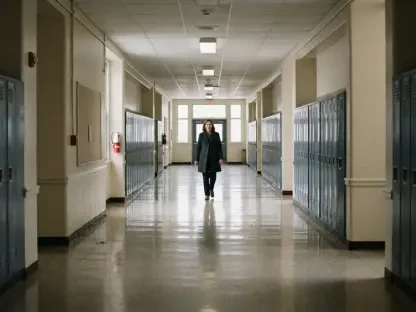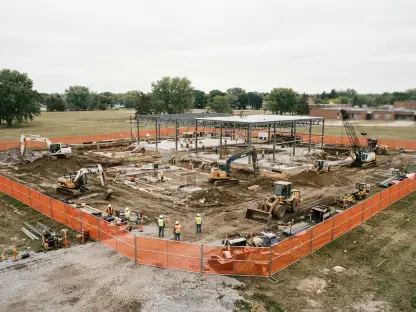

While affluent districts in Palo Alto leverage high property values to secure state matches, rural schools in the Coachella Valley struggle to raise the required local capital for repairs. This stark contrast serves as the foundation for Rodriguez v. California, a legal challenge targeting the structural inequities within the state’s educational funding system. Filed by former student Miliani Rodriguez, the lawsuit argues that the California School Facility Program operates on a first-come, first-served basis that inherently favors communities with higher socioeconomic status. By tethering a school’s physical integrity to local property wealth, the state effectively creates a stratified educational landscape that disadvantages students in impoverished regions. This legal action seeks to dismantle this architecture, suggesting that the current distribution of resources violates the constitutional right to equal access. As the proceedings gain momentum, the case highlights how the lack of a centralized, needs-based strategy has left thousands of students in aging, unsafe environments.
The Reality of School Facilities
Hazardous Learning Conditions
In regions like the Coachella Valley, the state of public school infrastructure has transitioned from manageable aging to dangerous deterioration. Students at institutions like Coachella Valley High School frequently contend with toxic black mold hidden behind peeling wallpaper and ceilings that sag under the weight of accumulated moisture. When seasonal rains arrive, the structural deficiencies become impossible to ignore, as water cascades through compromised roofs, forcing staff to line hallways with industrial buckets. These are not merely aesthetic grievances; they represent fundamental safety hazards that disrupt the daily flow of education. The presence of mold and moisture-damaged materials poses significant respiratory risks, particularly for students with preexisting health conditions. Despite repeated requests for intervention, the sheer volume of repair needs often exceeds the district’s maintenance budget, leading to a state of permanent neglect that compromises the safety of the youth.
Normalized Infrastructure Decay
The geographical challenges of the inland desert regions further exacerbate these structural failures, as extreme weather patterns test the limits of failing infrastructure. During the peak of the heat season, temperatures in the Coachella Valley routinely climb toward 110 degrees, yet the antiquated HVAC systems in many schools are incapable of providing adequate climate control. Classrooms frequently reach 85 degrees or higher, creating a stifling environment where cognitive focus becomes secondary to physical survival. Many students are relegated to temporary trailer units that were never intended for long-term use, featuring poor insulation and frequent flooding issues. This environment has forced a generation of students to normalize substandard conditions, viewing broken windows and sweltering rooms as a standard part of their academic journey. It is often only when these students visit modernized campuses in coastal urban centers that they recognize the extent of the disparity.
Systemic Flaws in State Funding
The Inequitable Funding Formula
The engine of this disparity is the state’s 40/60 matching formula, a policy that requires local school districts to raise 40 percent of modernization costs before they can unlock the remaining 60 percent in state aid. On paper, this model suggests a partnership between local and state governments, but in practice, it functions as an exclusionary gatekeeper. Districts located in wealthy enclaves like Palo Alto or Beverly Hills can easily pass local bond measures or solicit substantial private donations because of their robust property tax bases and affluent residents. Consequently, these districts meet their funding thresholds almost instantly, allowing them to capture state resources before poorer districts can even begin the process of raising capital. This first-come, first-served logic ensures that the wealthiest communities consistently maintain the newest facilities, while rural and low-income districts remain trapped in a queue they can never realistically join.
Economic Barriers to Modernization
This funding mechanism creates a feedback loop where property wealth dictates the quality of educational opportunities, reinforcing socioeconomic divisions. High property values allow for well-funded, state-of-the-art schools, which in turn attract more residents and further drive up home prices and standardized test scores. In contrast, districts burdened by crumbling buildings and inadequate technology struggle to maintain high attendance and performance metrics, which can depress local property values and make it increasingly difficult to pass the bonds necessary for repairs. The result is a cycle of disinvestment that punishes students based entirely on their residency. By the time a low-income district manages to scrape together the required 40 percent match, state funds have often been depleted by more affluent districts whose needs were far less urgent. This Catch-22 ensures that the funding gap between rich and poor districts continues to widen despite legislative efforts.
Impacts on Instruction and Well-being
Barriers to Academic Success
Infrastructure failures do more than just create physical discomfort; they actively erode the quality of instruction and steal vital minutes from the school day. When an air conditioning unit fails or a roof begins to leak during a lecture, the entire class must often be relocated to a library or a shared cafeteria, shattering the instructional rhythm. This constant state of improvisation places an immense burden on teachers, who must pivot their lesson plans at a moment’s notice to accommodate the lack of a functional workspace. Many educators in these underfunded districts report spending hundreds of dollars of their own money each year on basic climate control devices, such as industrial fans, or fundamental science equipment that the school can no longer afford to maintain. In some extreme cases, entire curriculum units—particularly those involving lab-based sciences—are omitted because the facilities are deemed too hazardous for experimentation.
Psychological Toll on Students
Beyond the logistical hurdles, the psychological impact of attending a deteriorating school sends a damaging message to students about their perceived value in the eyes of the state. When a child walks past boarded-up windows and moldy walls every morning, it reinforces a hidden curriculum that suggests their academic success is not a priority. This sense of neglect is a primary driver of chronic absenteeism and low student engagement, as it is difficult to maintain motivation in an environment that feels hostile to one’s presence. Teachers have observed that students frequently express frustration when they see the state-of-the-art stadiums and labs featured in the promotional materials of wealthier districts. This visual evidence of inequality fosters a sense of resentment and disillusionment that can persist throughout a student’s academic career. True educational equity cannot exist as long as the state permits such vast differences in the physical learning environments students inhabit.
Path Toward Systemic Reform
Legal Strategy and Student Action
The legal strategy employed by Public Advocates in the Alameda County Superior Court is designed to force a radical redistribution of state power and resources. The plaintiffs are currently seeking a court order to freeze $3 billion in school construction funding, a move intended to prevent the state from continuing to distribute money under a formula they deem unconstitutional. By halting the current flow of funds, the legal team hopes to compel the legislature to develop a more equitable allocation system that prioritizes projects based on health and safety needs rather than the speed of a local bond measure. This shift toward a merit-based system would ensure that the oldest and most dangerous school buildings are repaired first, regardless of the wealth of the surrounding community. This approach acknowledges that the state has an affirmative duty to provide every student with a safe learning environment, moving away from the passive matching model.
Community Mobilization Efforts
Central to this movement is the emergence of youth-led advocacy, exemplified by the activism of Miliani Rodriguez and organizations like Alianza Coachella Valley. Rodriguez’s journey from a high school leader to a primary plaintiff in a statewide lawsuit reflects a growing awareness among students that they must be the architects of their own reform. These young advocates are no longer content to wait for administrative changes that never arrive; instead, they are using legal frameworks to hold state officials accountable for systemic failures. This grassroots mobilization has empowered families in rural and low-income areas to voice their concerns about facility conditions, creating a collective demand for transparency and fairness. By focusing on the intersection of educational justice and community health, these student activists are shifting the discourse from a narrow focus on test scores to a broader understanding of how the physical environment impacts a child’s future.
Toward Educational Equity
The initial arguments presented in Rodriguez v. California successfully reframed the debate over educational equity, moving it beyond the confines of classroom curriculum and into the tangible world of infrastructure. Lawmakers and school boards began to recognize that a student’s geographic location should never serve as a barrier to a safe and functional learning environment. To move forward, the state must implement a rigorous, needs-based assessment of all public school facilities, ensuring that emergency repairs are decoupled from local property tax constraints. Providing a centralized oversight mechanism for maintenance will prevent the normalization of hazardous conditions and ensure that every school meets a baseline standard of modernization. This case demonstrated that the path to true reform required a fundamental shift in fiscal priorities, where the health and safety of the most vulnerable students were placed at the forefront of policy decisions.