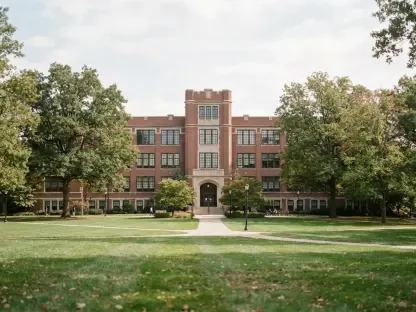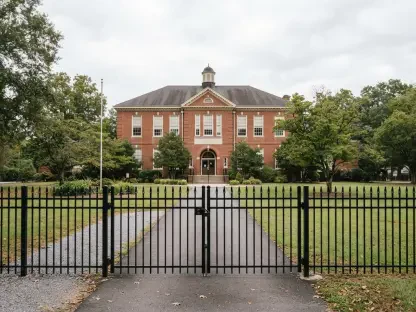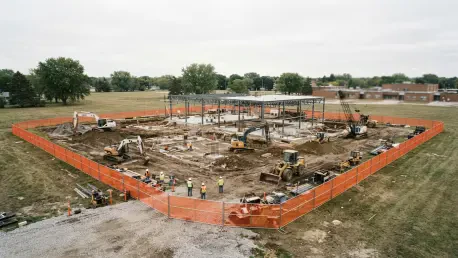

Students at Warren H. Frisbie Middle School frequently held physical education classes in a carpeted room with low ceilings before advocating for modern facilities. This specific lack of resources became the catalyst for a broader movement within the Rialto Unified School District, ultimately leading to the recent groundbreaking for new gymnasium complexes at both Frisbie and Ben F. Kolb Middle Schools. The project marks a significant shift in how district infrastructure is planned, moving away from top-down mandates toward a model that incorporates direct student feedback regarding their daily campus experience. For years, these students navigated the frustrations of inadequate indoor spaces that hindered their athletic development and school spirit. By organizing and vocalizing their needs, they demonstrated that the younger generation is acutely aware of educational disparities and is willing to engage in the civic process to rectify them, thus forcing a reallocation of district priorities.
The Catalyst: Student Voices in Achieving Equity
The journey toward these new facilities was defined by a grassroots advocacy campaign that lasted nearly eighteen months before construction finally began. Students at the affected middle schools realized that their indoor physical education options were severely limited compared to neighboring institutions, which often featured full-sized courts and modern equipment. At Frisbie, the reliance on a multipurpose room with low ceilings made standard sports like volleyball or basketball almost impossible to practice indoors. In response, students began a concerted effort to reach out to the school board through direct emails, formal presentations, and personal testimonials shared during public meetings. They argued that their physical environment should reflect the same level of investment as their academic curriculum. This persistent communication ensured that the lack of a gymnasium was viewed not just as a facility deficit, but as a fundamental issue of fairness and student belonging.
Board members acknowledged that the pressure for these changes was unique because it came directly from the primary users of the facilities. Vice President Edgar Montes and other officials noted that personal anecdotes from students, including those within their own families, highlighted the daily reality of these infrastructure gaps. This advocacy provided a clear, human perspective that data-driven reports often lack, making it impossible for district leadership to ignore the growing demand for equitable recreational spaces. The movement fostered a stronger sense of empowerment among the youth, teaching them that their voices carry weight in local governance and budget decisions. By the time the groundbreaking occurred, it was clear that the project was a victory for student activism. This collaborative dynamic between the administration and the student body has established a new standard for how campus improvement projects are identified and prioritized, ensuring that future investments are closely aligned with actual needs.
The Investment: Funding Strategies and Modern Infrastructure
The realization of these ambitious gymnasium projects is supported by a significant $50 million investment, with each middle school site receiving approximately $25 million in comprehensive upgrades. This funding was made possible through Measure A, a substantial $340 million school facilities bond that received strong support from nearly 70 percent of local voters during the previous election cycle. While earlier funding measures provided some general repairs, they were insufficient to cover the high costs associated with constructing specialized, large-scale athletic facilities. Measure A was specifically designed to address these long-standing gaps, allowing the district to modernize safety systems and replace aging infrastructure while also funding new construction. By securing these funds, the district has ensured that the flagship middle schools can finally transition from outdated, cramped environments to state-of-the-art facilities that meet current California educational and safety standards for the modern era.
The construction scope extends far beyond the gymnasium buildings themselves, incorporating a wide array of campus enhancements designed to promote inclusivity and athletic excellence. Plans include the installation of rubberized tracks and high-quality synthetic athletic fields at both schools, providing durable surfaces for year-round use. At Frisbie Middle School, the addition of an outdoor amphitheater and new basketball courts will create fresh opportunities for social interaction and performance. Meanwhile, Kolb Middle School will benefit from a new softball field, rounding out its competitive sports offerings. Crucially, the entire project is being executed with a focus on full accessibility for students with disabilities, ensuring that every individual can participate in physical education and extracurricular programs. These site-wide improvements represent a commitment to creating a barrier-free environment where athletic facilities serve as a unifying force for the entire student population, regardless of their physical abilities.
The Impact: Long-Term Stewardship and District Accountability
One of the most practical benefits of the new indoor gymnasiums is the protection they offer against the challenging environmental conditions of the Inland Empire. Extreme heat, seasonal cold, and sudden rain frequently disrupted outdoor physical education schedules in the past, often forcing schools to cancel activities or crowd students into small, unventilated dining areas. The new climate-controlled buildings will ensure that physical education remains a consistent part of the school day, providing a safe and comfortable space for students to stay active throughout the entire year. This consistency is vital for maintaining student health and fostering a routine of physical wellness that can be difficult to sustain when activities are at the mercy of the weather. Furthermore, the gymnasiums are intended to function as central hubs for the broader community, supporting intramural sports programs and local events that extend beyond the standard school day, thus maximizing the public’s investment.
The successful initiation of these projects demonstrated the long-term value of aligning district financial stewardship with the specific desires of the community. Looking ahead, the district focused on a strategy to maintain these facilities using existing operational resources, ensuring they remained functional and modern for up to sixty years. This approach secured the longevity of the investment, preventing the buildings from becoming a financial burden for future generations of taxpayers. Leaders prioritized the creation of high-quality structures that could withstand intensive daily use while evolving with changing educational needs. The district also established a framework for continued student consultation in future infrastructure phases, acknowledging that those who use the spaces daily provided the most valuable insights for design. By completing the groundbreaking and setting a timeline through 2028, the administration validated the advocacy of the students and reinforced a culture of accountability.