
Florida State University’s Homecoming traditions have evolved since the 1970s to reflect a deeply respectful and living relationship with the Seminole Tribe of Florida. This bond is no longer defined simply by a mascot or a garnet-and-gold color scheme; rather, it has become a multidimensional alliance that prioritizes the self-determination of the Seminole people. In 2026, this partnership stands as a hallmark of institutional integrity, where every cultural celebration is vetted and co-created with tribal authorities. This ensures that the university remains a space where Indigenous history is treated as a vital, current reality rather than a static relic of the past. By fostering this authentic connection, the university has successfully bypassed the pitfalls of appropriation, instead building a foundation of mutual trust and reciprocal benefit that serves as a national model for academic and tribal relations. By centering the voices of the Seminole people, the institution is not merely teaching about a culture but is learning from a sovereign nation.
Moving Away From Extractive Research Paradigms
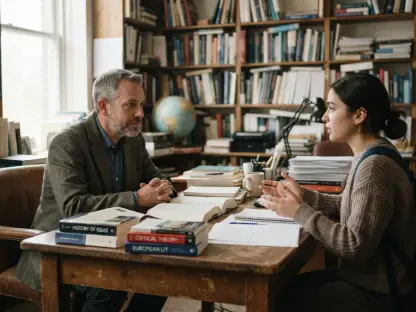
Andrew Frank, the Allen Morris Professor of History and director of the Native American and Indigenous Studies (NAIS) Center, has become a pivotal figure in redefining how the university conducts research. As an ethnohistorian with a deep focus on the Florida Seminoles, Frank has consistently argued for a paradigm shift that moves academia away from extractive scholarship. In previous decades, researchers often entered Native communities to collect data and oral histories, only to publish their findings in academic journals that remained inaccessible to the Tribe itself. To rectify this, the NAIS Center has implemented a collaborative model that requires all research projects to be built on a foundation of mutual trust and unscripted, peer-to-peer dialogue. This ensures that the questions being asked are relevant to the Tribe’s own goals and that the resulting data serves the interests of the community. By treating tribal members as co-authors and experts, the university has transformed the research process into a shared journey of discovery.
Utilizing Tribal Expertise in Technical Disciplines
The establishment of the NAIS Center has also facilitated a unique integration of tribal expertise across a wide range of academic fields, from environmental science to social work. Unlike traditional models where the university is seen as the sole source of knowledge, this partnership recognizes that the Seminole Tribe employs its own highly skilled professionals, including hydrologists and environmental engineers. These experts now work alongside university faculty on critical projects such as the restoration of the Everglades and the management of Florida’s complex water systems. This merging of Indigenous insights with modern scientific methodologies has led to more effective and culturally grounded solutions to regional environmental challenges. Furthermore, the partnership has expanded into the realm of linguistics and social services, where tribal practitioners provide essential guidance on language preservation and community health. This approach leverages the diverse expertise within tribal communities to address contemporary problems.
Preserving Living Traditions Through Active Engagement
Cultural exchange remains a cornerstone of the relationship between the university and the Seminole Tribe, particularly during the annual Homecoming celebrations. These events are far more than just a tradition; they provide a vital platform for tribal members to share their history, art, and food with the broader community. During the Seminole LIVE! 175 Homecoming Carnival, tribal students and representatives take a lead role in educating the public about the Tribe’s history and its ongoing contributions to the state of Florida. The inclusion of the Tribe in the Homecoming parade and the ceremonial crowning of the Homecoming Chief and Princess serve as powerful reminders of the sovereign relationship that exists between the two entities. This active engagement ensures that the university community views the Seminole people not as historical figures, but as a thriving, modern community with a rich and evolving culture. By prioritizing these direct interactions, the university helps to dispel common misconceptions.
Strengthening Institutional Ties for Collaborative Success
The proactive steps taken by the university to formalize its relationship with the Seminole Tribe provided a successful template for other academic institutions nationwide. By establishing the NAIS Center as a conceptual hub, the administration ensured that Indigenous perspectives were not just an afterthought but a central component of the university’s strategic goals. This transition proved that meaningful collaboration required more than just policy changes; it required a fundamental shift in campus culture toward transparency and reciprocal respect. Leaders who implemented these collaborative frameworks reported higher levels of community engagement and a more diverse, inclusive research environment. Moving forward, the focus remained on expanding these initiatives to include more comprehensive student exchange programs and joint economic development projects. This model of engagement demonstrated that when universities treated Indigenous nations as equal partners, the resulting intellectual and social benefits were profound.