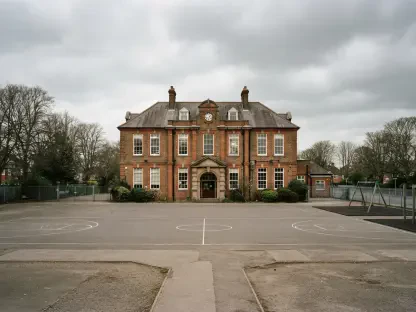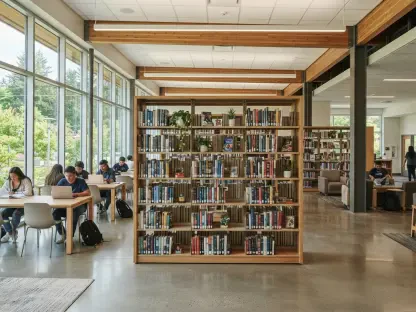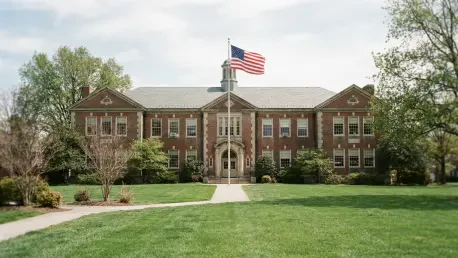

Council members expressed a commitment to a comprehensive program overhaul in fiscal year 2028 to better leverage the resources of the University of Maryland for local students. This announcement follows the College Park City Council’s approval of substantive revisions to the School-Based Grant Program for fiscal year 2027, aiming to prioritize measurable academic success while maintaining strict eligibility boundaries. Since its inception, the program has provided essential financial support to local public schools, funding enrichment programs that go beyond the standard curriculum. During the deliberation process, the council analyzed whether to expand the program’s reach to include all county public schools with at least 14 resident students. However, a consensus was reached to keep the current eligibility limited to the 12 public schools that serve as boundary schools for the city. This decision ensures that the $152,250 budget remains targeted at those most directly connected to local neighborhoods.
Strategic Allocation: Refining Financial Requests Through Pillars
A significant shift in the policy for the upcoming fiscal cycle involves a complete restructuring of the application process for these grants. Moving away from a simple system where applicants categorized their projects as new or existing, the council now requires all requests to fall under four specific pillars: academic support, school-sponsored events, community engagement, or school clubs and organizations, which include athletics. The goal of this change is to ensure that city funds are utilized to directly improve academic achievement and support the social-emotional health of the student body. By requiring more granular detail in the proposals, the council hopes to foster greater transparency and accountability in how municipal resources are deployed. This transition allows school administrators to think more strategically about their long-term goals and how city funding can act as a catalyst for student success and community involvement in the coming year.
Despite having leftover funds from previous years’ tutoring programs, the council opted not to spend an additional $13,500 to expand eligibility to schools outside the traditional city boundaries this year. Instead, they focused on maximizing the impact of the current $152,250 allocation within the existing twelve-school network. This decision reflects a commitment to fiscal responsibility and a desire to see the current program operate at peak efficiency before considering a wider geographical footprint. The deliberation highlighted a clear preference for deep, concentrated impact rather than a broad, shallow distribution of funds. By maintaining these boundaries, the city can ensure that the benefits of the grant program are felt most keenly by families living within College Park. This focus also simplifies administrative oversight, allowing city staff to work more closely with the schools to ensure that each grant-funded project achieves its intended purpose.
Holistic Support: Integrating Wellness and Institutional Partnerships
Throughout the legislative discussions, members of the council also emphasized the importance of addressing the holistic needs of students, including physical health and wellness. Some advocates suggested that future grant proposals should specifically target childhood obesity by funding programs that encourage physical activity and nutritious lifestyles. While the council did not create a separate health mandate for the fiscal year 2027 cycle, they encouraged schools to utilize the existing club and organization pillar to support these initiatives. This approach recognizes that academic excellence is often built on a foundation of physical and mental well-being. By integrating health-focused goals into the existing grant structure, the city provides a pathway for schools to innovate in ways that support the whole child. This dialogue sets the stage for future discussions on how the grant program can evolve to meet the socioeconomic and health challenges faced by local youth.
The city council looked toward the implementation of these changes as the application window for the twelve eligible schools was scheduled to open by November 16 and conclude on December 21, 2026. This timeline provided a structured framework for schools to finalize their plans for the fiscal year 2027 academic cycle. The planned overhaul for fiscal year 2028 was positioned to explore how the city could better utilize its partnership with the University of Maryland to provide specialized resources. School administrators were encouraged to review the new pillar requirements and consider how their projects could foster stronger links between the classroom and the local community. By focusing on targeted, evidence-based interventions, the city laid the groundwork for a more robust educational support system. These revisions ensured that College Park remained a leader in municipal educational support, fostering an environment where every student had the tools to succeed in the future.