
The urban educational landscape in St. Louis is undergoing a profound transformation as the city grapples with the fallout of shifting demographics and a tightening fiscal reality. Superintendent Myra Berry has framed the sweeping consolidation as a necessary financial correction required to ensure the long-term sustainability of the city’s public education system. This initiative, titled “Future Ready SLPS,” represents a pivotal moment for a district that has spent years attempting to maintain a sprawling physical footprint that no longer aligns with its current student population. By confronting the reality of aging school facilities and a shrinking tax base, the Board of Education is attempting to pivot toward a more streamlined and resilient operational model. While the move is undoubtedly controversial among residents who view their local schools as community anchors, administrative leaders argue that inaction would lead to a far more catastrophic collapse of services across the entire region. The strategy focuses on maximizing resources within a reduced number of campuses to better serve the remaining students in an equitable manner.
Determining the Scope of Physical Reductions
Which Schools Are Slated for Immediate Closure?
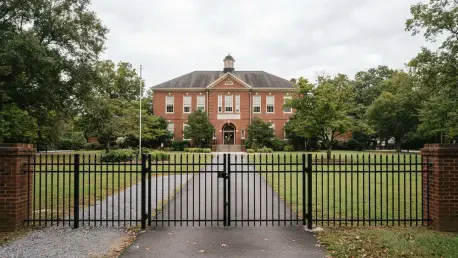
The board’s resolution involves the closure of eight elementary schools—Ames, Ashland, Carver, Hamilton, Hickey, Meramec, Monroe, and Walbridge—along with AESM @ L’Ouverture Middle School. This reduction shrinks the district’s portfolio from 61 to 52 active campuses for the upcoming academic year, representing a significant contraction of the city’s educational footprint. The decision passed with a narrow 4-3 vote, highlighting the intense internal division among board members regarding the scale and speed of these cuts. Advocates of the plan argued that maintaining half-empty buildings is an irresponsible use of limited public funds, whereas dissenting members expressed profound concerns about the potential for neighborhood destabilization and student displacement. By removing these nine sites, the district aims to centralize its resources, ensuring that the remaining facilities are adequately staffed and maintained to meet modern safety and pedagogical standards for the current student body. This operational pivot is seen as an essential step toward long-term stabilization.
Balancing District Needs: Managing Local Feedback and Spared Schools
While the approved list of closures is substantial, it is notably smaller than the original proposals, which had suggested that nearly 20 sites might be on the chopping block in the near future. Following several rounds of intense public testimony and community feedback, the board chose to spare several institutions that were previously considered for elimination, including Columbia Elementary and the McKinley Classical Leadership Academy. Furthermore, institutions such as Patrick Henry and Jefferson elementary schools, which had been identified for potential closure by 2028, were removed from the immediate list to allow for further evaluation of their long-term viability. This selective approach demonstrates an attempt to balance fiscal necessity with the social requirements of the community, though critics maintain that even these reduced cuts will disproportionately affect marginalized neighborhoods. The board’s willingness to adjust the plan based on community resistance shows a desire for collaboration, even as the district proceeds with the most critical components of the reorganization.
Analyzing the Financial and Demographic Drivers
The Primary Catalyst: Why Is Consolidation Necessary for District Survival?
Economic instability serves as the primary catalyst for these drastic measures, as the district navigates a projected $41 million budget deficit for the current academic year. This financial instability has attracted scrutiny from the Missouri State Board of Education, which has demanded a concrete plan for achieving fiscal solvency. Superintendent Berry and her team anticipate that the consolidation will save the district approximately $20 million annually, effectively halving the current shortfall. These savings will stem primarily from reduced staffing requirements and significantly lower transportation expenses, which currently represent the district’s largest operational costs. By closing nine locations, the district can shorten bus routes and eliminate the redundant administrative and custodial staffing required to maintain underutilized facilities. The focus remains on redirecting every possible dollar toward classroom instruction, ensuring that student outcomes are not compromised by the weight of a legacy infrastructure that the city can no longer afford to sustain.
Systemic Reform: Reforming the Magnet and Vocational Systems
A central component of the restructuring is the conversion of ten magnet schools into neighborhood schools to mitigate the untenable cost of citywide busing. The district will reclassify prominent sites like Gateway STEM and Soldan as neighborhood-based enrollment centers, though they will maintain their specialized programming to preserve educational quality. To ease the transition for families, the board has committed to grandfathering in transportation for current students until they graduate. Furthermore, long-term planning targets career-focused education through the transformation of the Clyde C. Miller Career Academy into a regional hub for technical skill development. This facility will gradually stop enrolling traditional high school students by 2027, fully transitioning into a dedicated career and technical education center by 2030. These shifts aim to centralize specialized resources while maintaining access to vocational pathways for students in North St. Louis, ensuring they are prepared for the modern workforce.
In the coming months, the administration is prioritizing the establishment of clear, transparent transition protocols to ensure that students displaced by these closures are successfully integrated into their new learning environments. Effective long-term planning requires the district to engage with local developers to repurpose shuttered buildings, preventing them from becoming vacant eyesores that could harm neighborhood stability. Moving forward, the board should focus on conducting quarterly reviews of the savings realized from these consolidations to ensure funds are being redirected effectively toward student support services and teacher retention. Additionally, officials must address the unresolved proposals regarding early start times and expanded childhood education to build a truly modernized urban school system. By leveraging the financial stability gained from these difficult decisions, the district can now invest in specialized literacy and STEM programs that were previously out of reach. Ultimately, the success of this plan depends on maintaining a relentless focus on educational equity across the entire city.