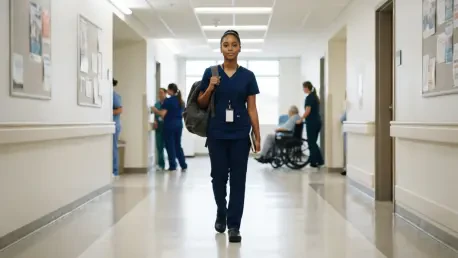

By aligning institutional resources with student ambition, the CCC and UIC collaboration produces a more resilient healthcare workforce capable of meeting modern medical demands. This strategic partnership between the City Colleges of Chicago and the University of Illinois Chicago represents a significant effort to bolster the region’s healthcare infrastructure by streamlining the educational pipeline for registered nurses. The primary focus of this initiative is the RN to BSN Dual Admissions Pathway Program, a collaborative framework designed to facilitate a smooth transition for students moving from an associate degree to a bachelor’s degree and eventually into specialized graduate roles. By renewing this agreement, both institutions have reaffirmed their commitment to providing nursing students with the academic support, financial resources, and professional guidance necessary to navigate the complexities of higher education while maintaining a presence in the clinical workforce. This integrated approach ensures that local hospitals and clinics have access to highly trained personnel who are prepared for the evolving challenges of patient care.
Strategic Pathways for Academic Progression
The dual enrollment model offers a distinct strategic advantage by allowing students to commit to their long-term professional goals early in their academic journey. By enrolling in the dual pathway while still completing their associate degree at the community college level, participants benefit from a high degree of accountability that keeps them focused on obtaining their Bachelor of Science in Nursing. This early commitment functions as a psychological and professional anchor, transforming the transition into a manageable progression rather than a daunting future hurdle. Alumni of the program frequently highlight that this structured environment was instrumental in keeping their academic priorities visible even while managing the heavy workload of clinical rotations. The program fosters a culture of persistence, ensuring that the move from a generalist education to a more specialized university setting is viewed as a natural next step in a lifelong career. This proactive approach significantly reduces the likelihood of student attrition.
Flexibility remains a cornerstone of this partnership, specifically designed to accommodate the demanding schedules of working nurses who must balance clinical shifts with rigorous coursework. The self-paced format of the UIC program allows students to maintain a healthy work-life balance while pursuing advanced credentials, a factor that is often the deciding point for working adults returning to school. Furthermore, the seamless transfer of credits—a hallmark of the dual admissions agreement—eliminates the bureaucratic hurdles and redundant testing that often discourage students from advancing their education. By removing these administrative obstacles, the partnership ensures that nursing professionals can focus entirely on their clinical and academic development rather than paperwork. This streamlined process not only saves time but also reduces the financial burden on students by ensuring every credit earned at the community college level counts toward their eventual university degree. The pathway acts as an efficient bridge for talent.
Institutional Support and Comprehensive Mentorship
Success within the pathway is driven by a multi-layered support network that addresses the specific academic, financial, and personal needs of nursing students. Participants have access to specialized university resources, such as writing centers and research library teams, which help them master the technical rigors of university-level research and APA formatting. These services are essential for students transitioning from a clinical focus to the more scholarly environment of a Bachelor of Science in Nursing program. Furthermore, the transition from a student-teacher relationship to one of professional mentorship and self-advocacy is a defining feature of the experience. The narratives of those who have navigated the program reveal that the compassionate flexibility shown by professors often makes the difference during personal health crises or professional setbacks. This human element in nursing education fosters a sense of community and belonging, which is critical for long-term retention in the medical profession.
Beyond the classroom, financial guidance provided by the UIC team in securing scholarships has been identified as a decisive factor in making the program viable for many participants. Navigating the costs of higher education can be a significant barrier, but the administrative support available through this partnership helps students identify and apply for various funding opportunities. This financial accessibility ensures that students from diverse socioeconomic backgrounds can pursue advanced degrees without accruing unmanageable debt. The proactive outreach from financial aid advisors allows students to focus on their studies with the peace of mind that their educational investment is sustainable. In addition to direct aid, the program provides guidance on navigating employer tuition reimbursement programs, further integrating the student’s professional and academic lives. This comprehensive financial strategy is a key component of the program’s ability to attract and retain high-quality candidates for specialized nursing.
Professional Identity and Future Healthcare Advocacy
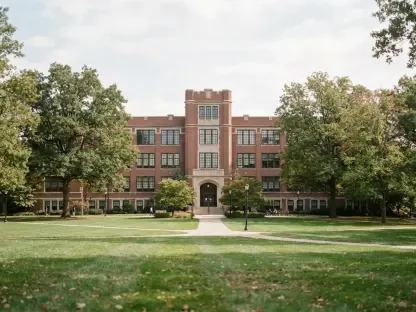
The transition from a community college setting to a major research university like UIC marks a significant shift in a nurse’s professional development and professional identity. While the smaller class sizes at the community college level allow for the cultivation of deep personal connections and collaborative study groups, the university environment challenges students to develop a higher degree of independence. This shift requires disciplined time management and a proactive approach to education, ultimately shaping students into more confident and well-rounded healthcare professionals capable of independent clinical decision-making. The independence gained during this phase of the program is directly applicable to the hospital setting, where nurses are increasingly expected to take leadership roles and manage complex patient care scenarios. By mastering the ability to balance multiple responsibilities and advocate for their own educational needs, graduates emerge as resilient practitioners who influence the system.
The partnership facilitated diverse career trajectories, enabling nurses to move beyond generalist roles into highly specialized fields such as school nursing, public health, or advanced psychiatric care. The collaboration offered an effective engine for professional development where the dual admissions pathway provided a blueprint for sustainable success through proactive engagement. The consensus among those who completed the journey was that prospective students needed to be research-oriented to take full advantage of university life. Building a reliable support system served as a crucial buffer against the stresses of clinical work. As the demand for highly skilled nursing leadership grows from 2026 to 2028, the impact of these collaborative models will remain significant. This model showed that when educational systems were designed around student needs, the entire healthcare ecosystem became more resilient. It demonstrated that removing bureaucratic barriers allowed local talent to flourish in clinical roles.
To maximize these historical successes, prospective nursing students were advised to seek out early advisement sessions to align their community college coursework with university requirements. Taking a proactive stance on financial aid by exploring internal and external scholarship opportunities helped mitigate the rising costs of healthcare education. Mentorship was viewed as a two-way street where students who engaged deeply with their professors found more doors opening in specialized clinical settings. Furthermore, current healthcare providers were encouraged to establish formal partnerships with academic institutions to create similar pipelines for their employees. As the industry moved toward 2028, the integration of digital learning tools and self-paced modules became even more critical for the working professional. Prioritizing these steps ensured that the nursing workforce remained prepared for the complexities of modern medicine. This path provided a comprehensive professional transformation for every dedicated nurse.