
Research indicates that dental students frequently utilize mobile learning platforms at least once a week to supplement their traditional clinical training. This trend reflects a broader evolution within the medical field where digital literacy has transitioned from a specialized skill to a fundamental requirement for academic success. At institutions like Chongqing Medical University, the integration of these technologies has become nearly universal, altering how students approach complex anatomical data and diagnostic procedures. The proliferation of these tools is driven by a necessity to manage the expanding volume of medical literature and the increasing complexity of modern dental procedures. As students navigate their curricula, they find that traditional textbooks benefit from the immediate, interactive support provided by digital interfaces. This shift is a strategic adaptation to a high-pressure environment where clinical readiness is paramount to their professional development.
The Digital Shift in Dental Pedagogy
Ubiquity of Mobile Learning Tools
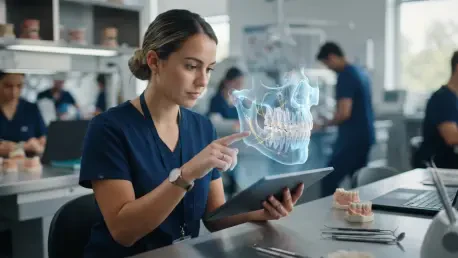
The adoption of mobile medical learning applications among dental students has reached an unprecedented level, with approximately 92% of the student population actively engaging with these platforms. For many, these apps serve as a secondary classroom, offering portable access to high-resolution imaging and procedural videos that align with their clinical rotations. The motivation behind this high usage rate is multifaceted, primarily centered on enhancing learning efficiency and streamlining preparation for high-stakes examinations. Students rely on these tools to bridge the gap between theoretical knowledge and practical application, particularly in specialties requiring intricate spatial awareness. By utilizing digital resources, they can revisit complex procedures or review anatomical structures during their transit or brief breaks in clinical shifts. This availability of educational material fosters a continuous learning cycle that extends far beyond the physical boundaries of the university laboratories.
Artificial Intelligence as a Core Component
The integration of artificial intelligence into the dental education ecosystem is even more pronounced among those who already utilize mobile platforms, with nearly 96.5% of app users reporting the use of AI-driven tools. These students leverage sophisticated algorithms to personalize their study experiences, utilizing AI for interpreting diagnostic scans and generating practice materials. The appeal of AI lies in its ability to process vast amounts of data instantaneously, providing students with immediate feedback that would otherwise require faculty intervention. This technological synergy allows for a more tailored educational path, where software identifies specific areas of weakness and suggests targeted review materials. As a result, students perceive AI not just as a novelty, but as a critical partner in their pursuit of academic excellence. The reliance on these systems suggests a change in the student-teacher dynamic, where technology takes on the role of a constant tutor for students.
Perceptions and Practical Limitations
Trust and Technical Competency
While the general sentiment toward artificial intelligence is overwhelmingly positive, students maintain a nuanced perspective regarding its technical reliability and inherent trustworthiness. On a standard five-point Likert scale, the perceived technical competence of these tools received a moderate score, indicating that while students acknowledge the power of AI, they are not yet fully convinced of its infallibility. This skepticism is particularly evident in the lower ratings given to perceived trustworthiness, suggesting that future dental professionals are wary of potential biases or inaccuracies in AI-generated diagnostic suggestions. They understand that while an algorithm can assist in decision-making, it cannot yet replicate the clinical judgment refined through years of hands-on experience and human interaction. This cautious optimism ensures that students do not blindly follow digital prompts but rather use them as a supportive tool to be verified against established medical protocols.
Strategic Implementation for Future Clinical Skills
To move forward, educational leaders prioritized the development of standardized frameworks for evaluating the objective impact of digital tools on clinical proficiency. It was determined that while subjective student satisfaction was high, a more rigorous analysis of knowledge retention was necessary to validate these technological investments. Faculty members established clear guidelines for the use of AI in clinical settings to ensure that students developed independent diagnostic skills alongside their technical literacy. Furthermore, administrators invested in specialized training programs that taught students how to critically audit AI outputs for accuracy. By integrating these digital resources into the core curriculum rather than treating them as optional supplements, institutions ensured a consistent standard of care across the student body. This proactive approach addressed the trust gap by fostering a culture of transparency and evidence-based practice within the university’s clinical training.