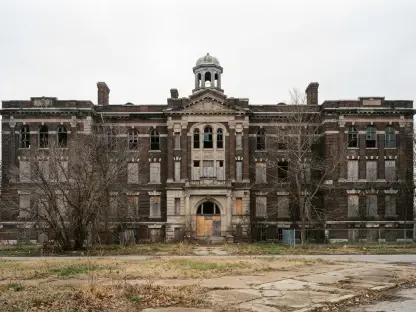

The tragic and sudden death of a third-grade student at Government Middle School Drugmulla has sent shockwaves through the community, highlighting a catastrophic failure in public safety and infrastructure management. This incident, which involved the fatal collapse of a school perimeter wall, has reignited a fierce debate regarding the structural integrity of public buildings throughout the region of Jammu and Kashmir. Baramulla State Representative Javid Hassan Baigh has issued a stern critique of the current administration, arguing that this loss of life was a preventable consequence of a persistent refusal to implement essential safety protocols. For years, warnings regarding the precarious state of educational facilities have been documented, yet they were often met with bureaucratic indifference or legislative stalling. This tragedy serves as a harrowing reminder that the safety of students must be the paramount concern of any functional government. The current outcry demands not just condolences, but a fundamental shift in how the state prioritizes its infrastructure.
Strategic Safety Audits and Legislative Accountability
The grievances articulated by local leadership are rooted in a decade of documented advocacy that has consistently fallen on deaf ears within the halls of power. As early as the middle of the last decade and continuing into 2026, formal recommendations were submitted to prioritize comprehensive safety evaluations for all health care and educational facilities. These proposals envisioned the creation of a specialized Disaster Management Department with a localized presence in every district to manage the unique vulnerabilities of a region prone to earthquakes and floods. Such an agency was intended to oversee regular emergency drills, public awareness campaigns, and the deployment of specialized safety personnel to prevent exactly this type of structural failure. However, these legislative resolutions were frequently sidelined, never reaching the floor for a full discussion. The inability of the administrative machinery to act on these proactive measures has left many public buildings in a state of dangerous disrepair.
Beyond the specific incident in Kupwara, there is a broader concern regarding the failure of collective responsibility across various levels of the government bureaucracy. Schools are legally and morally obligated to serve as safe havens for learning, yet systemic negligence has transformed some into hazardous environments. The refusal to incorporate safety warnings into official summaries or department meetings suggests a culture where structural risks are minimized to avoid the complexities of large-scale renovation projects. While there is a push for a thorough investigation to ensure individual accountability for the recent tragedy, the underlying issue remains the lack of institutional reform. Identifying and rectifying structural weaknesses across all public sectors is no longer a matter of policy preference but a dire necessity for public survival. The consensus among technical experts and civic leaders is that the current level of disaster preparedness remains woefully inadequate for the high-risk landscape.
The administrative response to this crisis required a definitive transition from reactive measures to a proactive, audit-driven safety strategy. It was concluded that mandatory structural integrity assessments should have been performed on all aging school buildings immediately following the initial reports of deterioration. To prevent further catastrophes, the government implemented a rigorous framework for quarterly infrastructure reviews and established a dedicated funding stream for the immediate repair of high-risk perimeter walls and foundations. Public officials recognized that transparency in these safety audits was essential to restoring community trust and ensuring that no student was ever again placed in harm’s way due to budget constraints. These steps moved the focus toward a culture of prevention, where local engineers were empowered to condemn unsafe structures without fear of political reprisal. By prioritizing human life over bureaucratic convenience, the state finally began the essential work of rebuilding a safe educational environment.