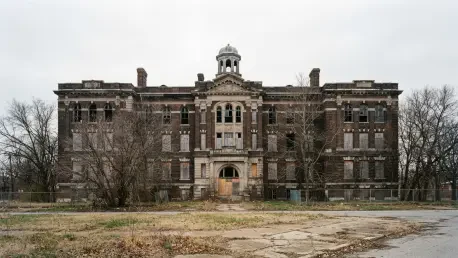

The landscape of urban education in the Midwest is currently undergoing a seismic shift as the St. Louis Public Schools district grapples with the harsh reality of empty hallways and dwindling student populations. This transformation reached a critical turning point on November 10, 2026, when the Board of Education narrowly approved a restructuring plan that involves shuttering nine academic buildings across the city. Such a decision was not made lightly, as it reflects a narrow 4-3 split among board members who are attempting to balance fiscal responsibility with the deep emotional ties families have to their neighborhood schools. By the start of the 2027-28 school year, the district will have reduced its footprint from 61 to 52 buildings, a move aimed at consolidating resources where they can do the most good for the remaining student body. This plan emerges from a necessity to address the widening gap between the infrastructure maintained by the district and the actual student count.
Analyzing the Impact: Enrollment Trends
Historical Demographic Shifts and Patterns
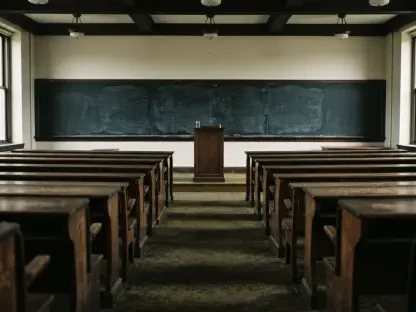
The statistical reality facing the district is staggering, as student numbers have plummeted by over 58% since the early 1990s, leaving thousands of desks empty and facilities underutilized. This loss of approximately 25,303 students has created a massive structural imbalance where the costs of maintaining aging facilities far outweigh the per-pupil funding generated by current attendance levels. When schools are built for thousands but serve only hundreds, the operational overhead drains money away from essential services like Advanced Placement courses, extracurricular activities, and specialized counseling. The board’s recent vote highlights the urgency of moving away from an outdated model that prioritizes building preservation over actual educational quality. In the current 2026 fiscal environment, the district must pivot toward a leaner model that aligns its physical assets with the demographic reality of the city. Maintaining these spaces is no longer a viable strategy for success.
Environmental Disruption and Educational Competition
While long-term demographic shifts provided the foundation for this crisis, recent environmental disasters and increased competition have accelerated the need for immediate action. The devastating tornadoes of May 2025 displaced numerous families, many of whom were forced to relocate outside the district boundaries, causing a sudden and unpredictable dip in enrollment numbers. Furthermore, the rise of private school choice and alternative education options has drawn students away from traditional public institutions, creating a competitive market where the district must now prove its value. Some board members have pointed to a historical lack of investment and the siphoning of students to private entities as primary reasons for the current predicament. This atmosphere of instability is further complicated by the fact that the district is now under increased pressure to demonstrate financial viability to state regulators. The decision to close nine buildings is a defensive measure.
Implementing Structural and Academic Reforms
Future Ready SLPS: Strategic Goals
To address these challenges systematically, the administration has launched the Future Ready SLPS initiative, a comprehensive strategy designed to overhaul the district’s operational and academic framework. This initiative goes beyond simple closures by exploring grade-level reconfigurations and the repurposing of buildings to better serve the modern needs of the community. By centralizing operations, the district expects to achieve significant financial savings, with previous estimates suggesting that large-scale restructuring could save nearly $182 million over several years. These funds are slated for reinvestment into career and technical education, ensuring that students are better prepared for the workforce in a rapidly evolving technological landscape. The board has taken a cautious approach to this rollout, requesting additional data to ensure that any changes are grounded in evidence. This focus on data-driven decisions is intended to rebuild trust with a wary public.
Navigating Oversight and Community Impacts
The pressure to succeed is amplified by the Missouri Department of Elementary and Secondary Education, which recently downgraded the district to provisionally accredited status. This designation mandates a higher level of transparency and measurable progress in both financial management and organizational culture, leaving little room for error in the execution of the closure plan. Superintendent Myra Berry has been vocal about the emotional toll these decisions take on students and staff, describing the closures as deeply personal events that disrupt a sense of belonging. To mitigate the trauma of these transitions, the district is developing coordinated plans that include direct support for affected families and clear communication regarding student placements for the upcoming year. The goal is to move beyond the immediate pain of closure toward a future where every remaining school is fully funded. Addressing the operational deficit now creates a more resilient foundation.
Moving Toward a Sustainable Educational Model
Stakeholders established a roadmap that prioritized the long-term health of the entire educational system over the preservation of specific historical structures. The district moved forward by creating specialized transition teams tasked with integrating students into their new environments while ensuring that no academic progress was lost during the move. Community leaders identified opportunities to repurpose the shuttered buildings for community centers or affordable housing, preventing the vacated properties from becoming blights on their neighborhoods. Future considerations focused on expanding public-private partnerships to enhance vocational training and technical literacy, effectively turning the crisis into a catalyst for modernizing the curriculum. By embracing a strategy of consolidation, the administration laid the groundwork for a more equitable distribution of high-quality resources. The final emphasis remained on professional development for educators and students.