
The rapid expansion of India’s urban infrastructure has created an urgent demand for a workforce that can navigate increasingly complex site hazards through specialized safety literacy. As high-rise residential towers and intricate commercial complexes redefine city skylines, the traditional reliance on unskilled manual labor is becoming a significant liability for developers and contractors alike. Modern construction sites are no longer simple work zones; they are high-tech environments where the margin for error is razor-thin and the consequences of negligence are severe. Consequently, the industry is witnessing a fundamental shift toward professionalizing laborers into “job-ready” specialists who possess both technical aptitude and a deep understanding of risk management. Programs like the large-scale vocational training initiative in Chennai, which recently targeted over 200 workers at projects like DAC Prospera, illustrate this evolution. By prioritizing safety literacy, the construction sector ensures that the rapid pace of urban development does not come at the cost of human life, creating a foundation of competence for the buildings of tomorrow.
Bridging the Gap: Strategic Partnerships and Workforce Development
The success of sophisticated safety initiatives often hinges on the seamless synergy between national oversight bodies, regional developers, and specialized technical training partners. In the context of recent developments in Chennai, the collaboration between the CREDAI CSR Foundation, DAC Developers Pvt. Ltd., and Kivisory Skills Pvt. Ltd. serves as a powerful model for how the industry can address labor gaps. This partnership allows for a holistic approach where the national organization provides the strategic vision, the developer grants access to live construction environments, and the technical partner delivers specialized instruction. Such a collaborative framework ensures that training is not merely a box-ticking exercise or a bureaucratic requirement. Instead, it becomes a targeted intervention that addresses the specific needs of modern residential projects. By combining diverse resources, these organizations can foster a structural commitment to worker welfare that starts from the project leadership and filters down to the individual on the site, ensuring long-term project sustainability.
Moving beyond traditional classroom-style instruction is vital for engaging a workforce that operates in a physically demanding and dynamic environment. The implementation of site-based learning effectively turns active construction projects into living laboratories where theoretical safety protocols are applied in real-time. This methodology allows laborers to connect abstract safety guidelines directly to the specific tools, machinery, and environmental factors they encounter during their daily tasks. Kivisory Skills, acting as the implementation partner, focused on “hazard recognition” as a primary learning outcome, ensuring that workers are trained to spot potential dangers before they lead to accidents. This approach is far more effective than rote memorization because it builds intuition. When safety becomes a lived experience rather than a set of external rules, it naturally integrates into the construction culture. This localized, hands-on training significantly lowers the statistical probability of workplace injuries while simultaneously improving the overall quality of craftsmanship.
Building a Culture: Continuous Learning and Systematic Assessment
The formal validation of worker competencies through structured certification serves as a critical tool for advancing industry standards across the board. During the recent certificate distribution ceremony held at DAC Prospera on October 23, 2026, project executives emphasized that workforce development is no longer an optional perk but a non-negotiable pillar of corporate responsibility. Leaders like Vice President Mr. Vijay Kumar and Safety Manager Mr. Shiva Kumar have noted that as building techniques become more sophisticated, the risks associated with them increase proportionally. This realization has sparked a growing consensus among industry stakeholders that safety literacy is an indispensable asset for every individual on a site. By recognizing the increased skills of over 200 workers, the program has validated their expertise and encouraged a culture where continuous learning is expected. This shift in mindset ensures that as construction projects grow in complexity, the people building them are equipped with the knowledge to maintain high standards of safety and operational efficiency.
While the immediate impact of these training programs is felt at localized sites like DAC Harmony, the broader implications for national construction standards are significant. These regional success stories act as essential blueprints for a pan-India movement toward industrial modernization and comprehensive labor welfare. The CREDAI CSR Foundation utilizes these localized interventions to refine its national strategies, ensuring that worker welfare initiatives are grounded in practical site reality rather than theoretical policy. The active involvement of high-ranking professionals, ranging from senior safety engineers to project managers, indicates a top-down prioritization of site safety that is vital for long-term sustainability. This structural commitment is especially important as the urban development boom continues to accelerate. Ultimately, transforming the construction labor force through dedicated skill training is the most effective way to protect human assets. By setting high benchmarks for safety and professionalism, the industry can ensure a more secure and resilient future for the global construction sector.
Future-Proofing Safety: Practical Outcomes and Actionable Steps
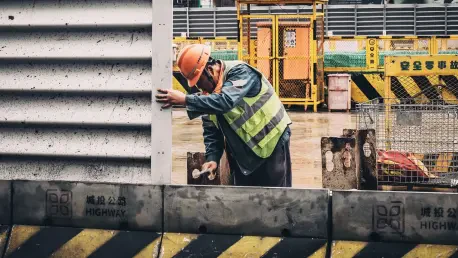
Practical training outcomes are most visible when the curriculum focuses on immediate risk mitigation and the correct application of specialized safety equipment. Educating workers on the proper use of Personal Protective Equipment (PPE) and the nuances of site-specific safety procedures creates an immediate and measurable impact on project safety profiles. Managing Director of Kivisory Skills, Mr. Vineet Yati, highlighted that this focused approach is crucial for building a more professional construction industry. When laborers are empowered to identify potential dangers in real-time, they become an active line of defense against site-related injuries. This proactive methodology ensures that technical proficiency and safety awareness grow in tandem, rather than competing for priority. By focusing on practical application, developers can ensure that their teams are not just working harder, but working smarter and safer. This dual focus on skill and safety leads to higher productivity, fewer delays caused by accidents, and a more dependable workforce for future large-scale projects.
The collaborative initiative between industry leaders and specialized training partners established a new standard for operational excellence in the construction sector. These organizations demonstrated that site-based vocational training provided the necessary bridge between rapid infrastructure growth and the safety of the human workforce. Moving forward, developers and contractors should have prioritized the integration of hazard recognition programs into the earliest phases of project planning to ensure safety was never an afterthought. Stakeholders recognized that investing in comprehensive skill enhancement was the most viable solution for reducing workplace accidents and improving overall building quality. By treating every active construction site as a potential classroom, the industry took significant steps toward a more professionalized future. These efforts ensured that the workforce remained resilient in the face of evolving technological challenges. Ultimately, the lessons learned from these training programs offered a clear path for national policy makers to follow, proving that a trained worker was the most vital component of a successful project.