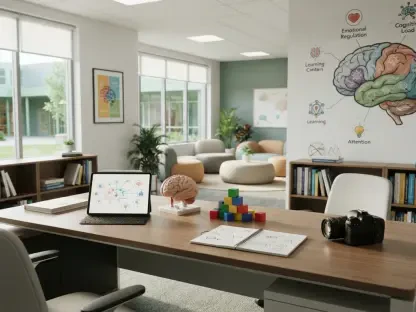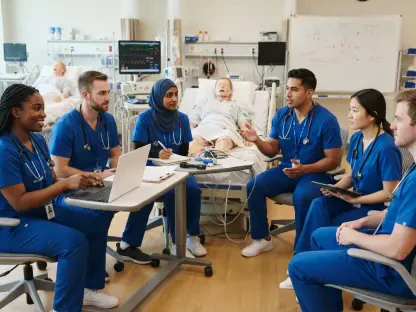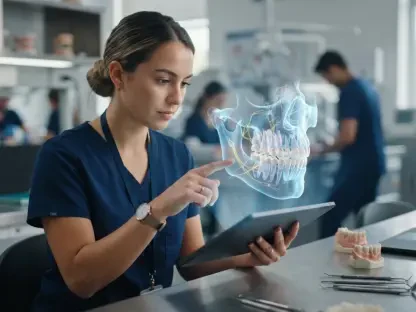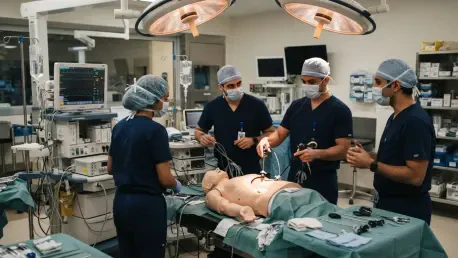

Bridging the persistent divide between academic theory and the practical realities of the operating room requires a more nuanced approach to problem-based learning in dental residencies. The transition from a controlled educational environment to the high-pressure setting of a dental clinic often reveals gaps in a student’s ability to apply abstract concepts to tangible patient care scenarios. Traditionally, problem-based learning has served as the gold standard for fostering critical thinking, yet recent evaluations suggest that a generic application may not suffice for the intricacies of specialized fields like endodontics. By refining the instructional framework to align more closely with the specific technical demands of procedures such as root canal treatment, educators can create a more seamless progression for residents. This evolution in teaching methodology seeks to ensure that when a resident picks up a handpiece, they are guided by a deep cognitive map rather than just rote memorization and mechanical repetition.
Analyzing the Framework of Modernized Training
Methodological Shifts: Enhancing Procedural Competence
The efficacy of these instructional modifications became evident through a rigorous analysis involving dental residents observed between the current year and the upcoming academic cycle. Researchers focused on comparing a modernized, improved problem-based learning model against the standard protocols that have been used for decades. The improved model specifically targets the cognitive load associated with complex endodontic maneuvers, breaking down the multifaceted nature of root canal treatments into manageable but interconnected modules. This approach allows residents to visualize the entire procedural workflow while simultaneously focusing on the microscopic precision required for successful instrumentation. Unlike traditional methods that treat all clinical tasks with a uniform pedagogical brush, the refined system acknowledges that high-stakes surgeries require a different level of preparation. The data collected showed a clear trend toward higher technical proficiency in the experimental group.
Technical Complexity: Evaluating Root Canal Performance
Interestingly, the study revealed that the impact of the improved educational model varied significantly depending on the technical difficulty of the task at hand. For highly complex procedures like root canal treatment, the residents in the improved program displayed a marked superiority in their operational capabilities and clinical precision. However, when the focus shifted to less technically demanding tasks, such as rubber dam isolation, the gap in raw operational skill between the two groups was less pronounced. This finding suggests that the most significant returns on educational investment through specialized learning frameworks are found in the most challenging areas of dental practice. It implies that for simpler tasks, the traditional methods might already be nearing a ceiling of effectiveness, whereas for complex surgery, the potential for growth via better teaching remains substantial. Educators must therefore prioritize these advanced models for the portions of the curriculum that residents find most daunting.
Future Directions for Clinical Education Models
Soft Skill Integration: Beyond the Handpiece
Beyond the mechanical execution of surgery, the modernized learning framework emphasizes the interpersonal and ethical dimensions of patient care. In tasks that were less technically intensive, the benefits of the improved approach manifested primarily through enhanced communication skills and a more humanistic approach to treatment. Residents were better equipped to explain procedural risks and obtain informed consent, reflecting a deeper understanding of the patient-clinician relationship. This shift demonstrates that a well-rounded educational model does not only produce technically proficient clinicians but also empathetic practitioners who can navigate the complexities of patient interaction. For a procedure like rubber dam isolation, which can be uncomfortable, the ability to manage patient anxiety through clear communication was a standout achievement for those trained under the new system. This holistic development is essential for long-term career success and building patient trust in any dental medical field.
Educational Scalability: A Path Toward Standardization
In conclusion, the transition toward a more refined and context-specific instructional strategy proved to be a decisive step in modernizing dental residency programs. The analysis established that while basic skills could be acquired through various means, the mastery of complex clinical tasks was significantly accelerated by a more integrated and problem-based approach. Administrators and curriculum designers were encouraged to prioritize the redesign of endodontic training to focus on these high-complexity areas where the pedagogical impact was greatest. This shift not only improved technical outcomes but also nurtured a generation of dentists who prioritized humanistic care and lifelong learning. Moving forward, the dental community looked toward integrating these findings into national accreditation standards to ensure a uniform level of excellence. By focusing on the intersection of technical precision and soft skill development, the profession took a major leap in bridging the gap between classroom theory and clinical excellence.