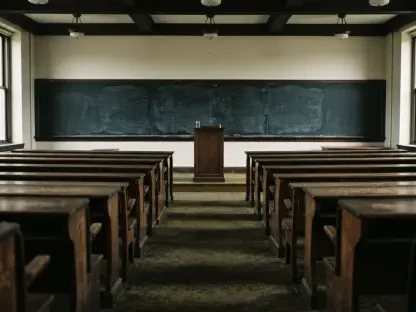

Brianna Connors, an assistant professor at USF, describes the traditional jump from graduate school to teaching as a sink-or-swim situation that immersive technology aims to rectify. For many students entering the field of education, the transition from analyzing pedagogical theories in a quiet lecture hall to managing a bustling classroom of twenty-five children can be overwhelmingly jarring. The University of South Florida College of Education has recognized this disconnect and is currently leading a fundamental shift in teacher preparation by integrating immersive Virtual Reality directly into the core curriculum. This initiative serves as a vital intermediary, providing a low-stakes digital environment where pre-service teachers can refine their observational skills and instructional strategies before assuming the responsibilities of a physical classroom. By using these advanced tools, the university ensures its graduates are not just academically proficient but are also practically prepared for the unique pressures of modern schooling.
Teacher Readiness: Enhancing Skills Through Technology
Teacher readiness in the modern era requires more than just a passing grade in pedagogy; it demands a sophisticated understanding of classroom dynamics that can only be developed through consistent experience. USF has pioneered a collaborative approach to this challenge by allowing entire classes of student teachers to observe active school environments through a shared digital lens. Professors lead these sessions, projecting a 360-degree view of a classroom onto a central board to facilitate deep-dive discussions about teaching methods and student engagement. This shared experience allows for a level of nuance that individual internships often lack, as students can collectively analyze a single moment from multiple perspectives. By fostering this collaborative observational environment, the university provides a foundation for professional growth that prioritizes reflective practice. This method ensures that students are equipped with the analytical tools necessary to thrive in diverse and often unpredictable school settings.
Bridging the Gap: Theory and Practice
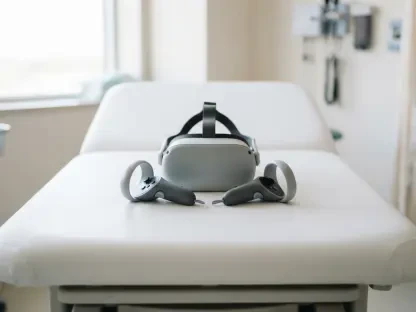
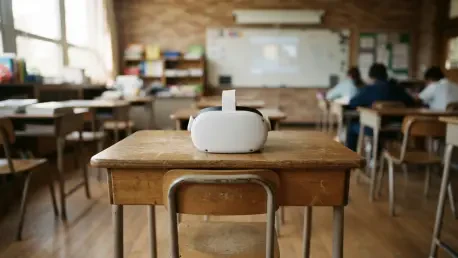
Textbook knowledge often fails to capture the chaotic and unpredictable nature of a live classroom, leading to the sink-or-swim scenario that Connors identifies. To address this, USF provides what she calls “virtual swim lessons” through the Introduction to the Teaching Profession course. Within this controlled space, students use VR headsets to immerse themselves in pre-recorded or simulated classroom scenarios. This allows them to witness complex student interactions and instructional challenges that are often missed during the rapid-fire progression of a standard school day. Professors can guide the entire cohort through these experiences simultaneously, pausing the action to discuss specific behavioral cues or questioning techniques. This collaborative analysis helps students develop a professional eye, turning a passive observation into an active learning exercise. This level of guided, repetitive practice ensures that future educators can enter their clinical internships with a higher level of competence and a reduced sense of initial panic.
Sensory Learning: Engaging the Senses
The technological backbone of this initiative relies on dual-screen VR headsets that carefully mimic human depth perception to create a convincing illusion of total presence. Csaba Osvath, an assistant professor who leads The Sandbox creative lab, explains that this technology allows students to learn through their bodies and senses rather than relying solely on their intellect. This shift from passive observation to sensory engagement is a critical component of the program’s success. When students wear the headsets, they are not just watching a video; they are experiencing the spatial dynamics of a classroom, hearing the directional audio of student whispers, and feeling the emotional weight that comes with immersive environments. Data from recent cohorts suggest that this high level of engagement significantly boosts attention spans. When the VR feed is projected onto a central screen, it allows for a shared 360-degree viewing experience that facilitates deep-dive discussions about student engagement and pacing.
Program Expansion: Expanding Impact in Education
The broader implications of integrating such sophisticated technology into teacher training extend far beyond the initial pilot programs. As USF looks toward the next phase of its digital transformation, the focus has shifted toward creating a sustainable ecosystem where immersive tools are used across multiple disciplines. This expansion is driven by a recognized need to provide diverse pedagogical experiences that mirror the multifaceted nature of 21st-century classrooms. By moving beyond simple simulations, the College of Education is establishing a framework for long-term professional development that incorporates data-driven feedback and collaborative reflection. This strategic growth ensures that the technology remains a dynamic part of the curriculum, adapting to new educational standards and emerging classroom challenges. The initiative also aims to democratize access to high-quality training scenarios, allowing students from various backgrounds to experience the same high-level instructional environments.
Versatility: Beyond Classroom Management
While classroom management is a primary focus, the versatility of VR extends into specialized subject areas such as history and social sciences. Olivia Ramos, a student in the Social Science Education program, points out that immersive technology can transform abstract historical concepts into lived experiences. Rather than merely memorizing dates on a timeline or reading about the Westward Expansion, future teachers can virtually stand on a Civil War battlefield or navigate a historic settlement. This transition from rote memorization to experiential learning helps educators internalize historical contexts more deeply, which in turn allows them to bring more authentic enthusiasm to their own students. By experiencing history through a three-dimensional lens, pre-service teachers learn how to use these same tools to captivate K-12 learners. The goal is to move beyond the traditional boundaries of the classroom, using technology to transport students to different eras and locations, making education a more vivid process.
Strategic Outcomes: Future Implementation
The USF College of Education’s adoption of immersive technology successfully defined a new standard for teacher preparation by the middle of the decade. By removing the immediate risks of the live classroom while maintaining the inherent complexity of the environment, the university ensured that its graduates were practically prepared for the evolving challenges of schooling. The project, centered in The Sandbox lab, demonstrated that the intersection of technology and pedagogy could significantly improve professional outcomes and student engagement. Researchers concluded that the most effective path forward involved the continuous integration of sensory-based learning into all levels of teacher training. Moving forward, academic leaders recommended that other institutions adopt similar low-stakes environments to bridge the gap between theory and practice. The university committed to refining its digital library and expanding its partnerships with local districts to keep the content fresh, relevant, and localized for all future educators.