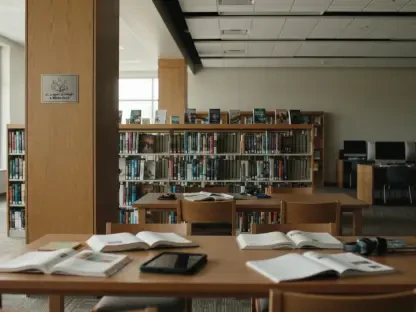

The traditional university application process often acts as a gatekeeper rather than a gateway, discouraging talented local students from envisioning themselves in a collegiate environment simply due to administrative complexity. This systemic shift toward proactive recruitment reflects a

Many private education providers are currently adopting a defensive consolidation strategy, focusing on basic legal survival rather than pedagogical innovation or international collaboration. This widespread retreat follows the implementation of the Education and Training Authority’s Licensing and

Seattle University is currently developing accelerated 3+2 and 4+1 degree tracks to bridge the gap between undergraduate liberal arts studies and master’s level professional education. This institutional evolution follows the comprehensive rebranding of the former College of Arts and Sciences into
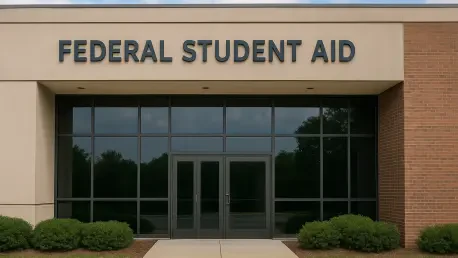
Establishing the Federal Student Aid office as an independent agency would require a specific act of Congress that the current administration has not yet formally requested or negotiated with lawmakers. This monumental strategic pivot comes at a time when the United States Department of Education

The transition of the American university from a widely accessible public service to a high-cost individual burden represents one of the most significant socio-economic transformations in modern history. Decades ago, obtaining a college degree was often viewed as a communal benefit, prompting local

The rapid scalability of the UK Invests program highlights a significant demand among the student population for practical, hands-on experience in navigating modern financial systems and investment tools. In a landscape where traditional higher education is often criticized for being detached from