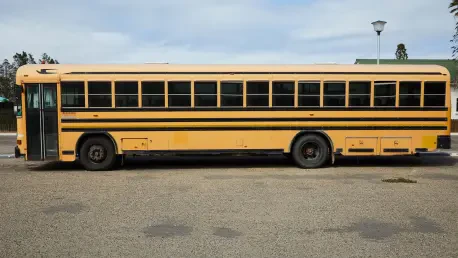

The proposed price hike for student transport is part of a broader strategy to align Norfolk’s fiscal policies with those of other neighboring local authorities. This move comes as the council grapples with a significant budgetary shortfall of £35.9 million, forcing a reassessment of many non-statutory services that have long been standard for the region’s youth. Currently, the local government allocates approximately £8 million every year to support student commuting, a figure that cabinet members have recently described as fundamentally unsustainable in the current economic climate. By restructuring these subsidies, officials hope to bridge the widening gap in public finances while maintaining core statutory obligations. The decision has sparked an intense debate regarding the council’s responsibility to provide accessible education versus the necessity of fiscal discipline. This shift marks a departure from historical funding models, reflecting a broader trend of passing operational costs directly to service users to maintain essential services.
Escalating Financial Burdens for Local Families
The Trajectory of Rising Commuter Fees
For many households across the county, the immediate concern lies in the sharp trajectory of the planned price increases, which will significantly alter family budgets over the coming years. Starting in the current academic term of 2026, the annual contribution required from students is set to jump from the previous rate of £660 to a much more demanding £855. This initial spike is only the beginning of a phased approach that aims to reach an annual cost of £1,050 by the 2028-29 school year. While the council has attempted to mitigate the backlash by promising smaller increases for low-income families, the general upward trend remains a point of high tension. This phased escalation is designed to give families time to adjust, yet critics argue that the cumulative effect will still place a prohibitive burden on those who are already struggling with the general cost of living. The council maintains that these adjustments are necessary to ensure the long-term viability of the transport network.
Budgetary Objectives and Long-Term Savings
The fiscal motivation behind these changes is rooted in a structured plan to generate savings through the reduction of discretionary transport spending. Specifically, the council intends to realize approximately £369,000 in savings over the next two years, with the goal of establishing recurring annual savings of £277,000 thereafter. These figures are seen as vital components of a wider recovery plan to stabilize the regional economy and address the looming deficit that threatens other essential public services. By trimming the subsidy for post-16 transport, the local government believes it can redirect funds toward more critical infrastructure projects and statutory duties that serve the entire population. Supporters of the measure suggest that these targeted cuts are a pragmatic response to the reality of dwindling central grants and rising operational costs. Nevertheless, the pursuit of these savings continues to face scrutiny from those who believe the economic cost will outweigh any immediate fiscal gains.
Geographic Realities and Educational Barriers
Impact on Rural and Coastal Communities
A central theme in the opposition to these transport cuts is the unique geographic layout of Norfolk, which often leaves students in rural and coastal areas with few alternatives to council-provided services. Leaders from both the Liberal Democrat and Green parties have voiced strong concerns that the proposal ignores the physical reality of the county, where public transport links can be sparse and unreliable. Critics like Maxine Webb have characterized these cuts as unforgivable, suggesting they create artificial barriers for young people trying to reach colleges or sixth forms located miles away from their homes. In these isolated regions, the lack of affordable transport does not just represent a financial hurdle; it effectively limits the educational choices available to a significant portion of the population. Group leaders emphasized that the council should focus on facilitating qualifications and skills, rather than making it harder for the next generation to access the training they need.
Sustainable Models and Future Educational Access
Stakeholders determined that the long-term resolution for Norfolk’s transit crisis involved a multi-faceted approach beyond simple fee adjustments. The council looked into the feasibility of integrating community transport schemes with existing school routes to maximize vehicle occupancy and reduce overheads. In the latter half of 2026, planners shifted their focus toward developing a specialized grant system that rewarded schools for implementing their own sustainable travel plans. Experts recommended that the local authority prioritize investments in micro-mobility infrastructure, such as safe cycling lanes and secure storage, to provide low-cost alternatives for students living near campus. By the time the next budget cycle began, the administration had established a monitoring framework to track the correlation between transport costs and student retention. This evidence-based strategy allowed officials to make more informed adjustments, ensuring that fiscal health did not come at the expense of regional education.