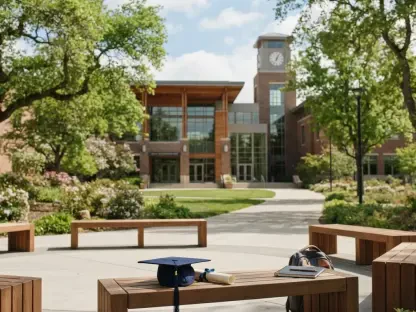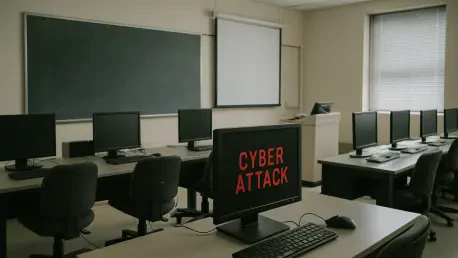

The mandated shutdown of all university-managed devices highlights the severity of the threat facing Nashville’s premier research institution during this active cybersecurity event. This disruption began on November 9, 2026, when administrators detected anomalies within the internal network infrastructure that necessitated an immediate halt of digital operations. Faculty, staff, and nearly 14,000 students were instructed to power down all university-provided equipment and sever connections to the campus Wi-Fi network to prevent the movement of malicious software. By taking these measures, the institution aimed to shield its sensitive cloud-based services and proprietary research databases from potential exploitation. While officials initially categorized the situation as an active incident without confirming data exfiltration, the presence of unauthorized file modifications and repeated login attempts served as clear indicators of a sophisticated breach that required urgent containment.
Structural Integrity: Defining the Impact Boundary
Institutional Independence: Securing the Medical Ecosystem
A critical aspect of this developing situation involves the clear demarcation between Vanderbilt University and the Vanderbilt Health system, which functions as a separate legal and financial entity. Despite the shared branding that often confuses the public, the medical center operates on its own independent IT infrastructure, a design choice that proved vital during this crisis. Representatives from Vanderbilt Health confirmed that their clinical operations, patient record management, and critical care systems remained entirely unaffected by the disruptions occurring on the academic side. This successful isolation demonstrates the practical benefits of robust network segmentation, where a compromise in one sector of a large institutional ecosystem does not inevitably lead to a total collapse of shared services. By maintaining disconnected administrative domains, the health system was able to prioritize patient safety and continue providing essential medical services without the risk of cross-contamination from the university’s environment.
Attributing the Breach: The Rise of Extortion Groups
The complexity of the incident deepened significantly when a cybercrime collective known as BYOD publicly claimed responsibility for the breach. This group, which has been increasingly active throughout the latter half of 2026, issued unverified statements alleging they had successfully locked university databases and exfiltrated a massive cache of private information. According to their claims, the stolen data included sensitive research findings, detailed employee and student records, and over one million Social Security numbers. This pattern of behavior mirrors an earlier attack attributed to the same group at the University of New Mexico in October 2026, which similarly caused widespread operational failure. These actors typically target high-profile research institutions not only for the immediate ransom potential but also for the long-term value of intellectual property and personal identity data. The university continues to investigate these claims with federal law enforcement to determine the validity of the assertions.
Path to Restoration: Navigating System Recovery
Communication Challenges: Managing Information in a Blackout
Current efforts to restore normal operations are significantly hampered by the loss of primary communication tools, including the university’s dedicated IT status page. Because this essential portal is being rebuilt from the ground up to ensure its integrity, students and faculty are currently left without a centralized source for real-time updates or an official timetable for system reactivation. This lack of visibility complicates the academic calendar and disrupts ongoing research projects that rely on high-performance computing resources. In the interim, the university has urged its community members to remain vigilant and report any suspicious digital activity through alternative, verified communication channels while the primary network remains offline for forensics. This proactive stance is necessary because the threat environment remains fluid, and premature reconnection could provide attackers with renewed access. The incident reflects a trend where attackers disable communication hubs to increase pressure on the targeted institution.
Strategic Evolution: Future-Proofing Educational Networks
The resolution of this crisis required a comprehensive overhaul of authentication protocols and the implementation of more aggressive zero-trust architectures across all campus departments. Moving forward, institutions observed that prioritizing air-gapped backups and granular access controls was the most effective way to minimize the blast radius of a network intrusion. IT departments shifted their focus toward continuous monitoring of lateral movement rather than relying solely on perimeter defenses that often failed against sophisticated phishing or credential stuffing attacks. University leadership also recognized that maintaining clear, secondary communication strategies outside the main network was essential for maintaining trust during prolonged downtime. By adopting these layered security measures, the academic community sought to balance the open nature of a research environment with the rigorous demands of modern data protection. This incident served as a stark reminder that the protection of intellectual property necessitates a well-funded security strategy.