Administrative leaders face the difficult task of achieving fiscal discipline while funding the infrastructure necessary to support a larger campus community. This directive, established by the Board of Trustees, aims to expand the undergraduate population deliberately to reinforce the

The official gazette published on September 2, 2026, details an extraordinary measure designed to fill sensitive teaching positions in Mathematics and Information Technology. This legislative shift aims to streamline recruitment in a region where secondary education centers have faced persistent
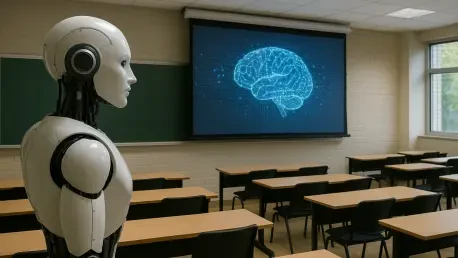
The state's move toward centralized control over educational technology represents a significant shift from the previous model of local district autonomy. Florida’s proactive response to the integration of generative tools reflects a broader desire to move away from reactive, campus-specific
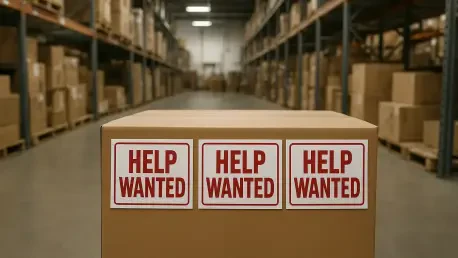
The persistence of the 'college-for-all' narrative has inadvertently created a crisis in the skilled trades, where construction firms cannot find enough welders or electricians. This structural imbalance defines the current economic landscape of 2026, where a curious paradox has taken hold: while

The integration of field-based experiential learning into the biology curriculum ensures that students master technical skills while contributing to real-world conservation efforts. Columbus State University is currently redefining biological education by shifting the primary focus from traditional

The formidable mathematical abstractions found in thermodynamics often create significant psychological barriers for undergraduates attempting to master fundamental chemical laws. At Florida State University, Professor Oliver Steinbock moved to dismantle these hurdles by integrating generative