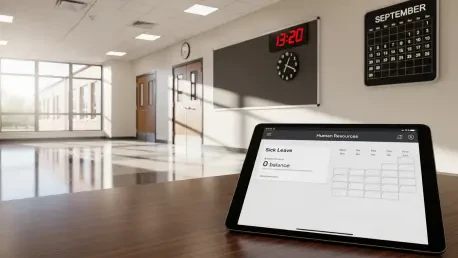

Educators across the United States are increasingly finding themselves forced to choose between personal wellness and professional commitment as rigid accrual-based paid time off structures dominate modern school administration. These policies, which require employees to earn hours of sick leave based on time spent in the building, create a dangerous lag between the start of the school year and the availability of necessary recuperative time. When a teacher contracts a seasonal illness in September but has only accrued a fraction of a day off, the economic and professional pressure to attend work while symptomatic becomes overwhelming. This phenomenon of presenteeism does not merely affect the individual teacher; it transforms the classroom into a primary vector for viral transmission, undermining the very safety standards schools aim to uphold. Consequently, the reliance on incremental earning systems ignores the unpredictable nature of biological health and places academic continuity at risk.
The Structural Mismatch: Accrual Logistics versus Educational Reality
Accrual-based systems operate on a linear logic that fundamentally conflicts with the cyclical and unpredictable nature of illness within a school setting. Under these frameworks, a teacher might earn four hours of leave for every month worked, meaning a full day of sick time is not available until mid-autumn. This creates a precarious situation for early-career educators or those returning from long-term leave who lack a substantial carry-over balance. Digital human resources platforms often exacerbate this by strictly enforcing these thresholds, leaving no room for administrative discretion when a genuine health crisis emerges in the opening weeks of a semester. The rigidity of these automated systems implies that health is a reward for attendance rather than a prerequisite for effective performance. When the data within these management portals shows a zero balance, the psychological barrier to taking unpaid leave often forces sick individuals to remain in front of students, jeopardizing the community health of the entire institution.
Furthermore, the institutional focus on accrual reflects an outdated corporate mindset that prioritizes clerical simplicity over the nuanced needs of a pedagogical environment. In sectors where remote work is a viable alternative, accrual models might cause less friction, but for teachers, physical presence is non-negotiable. When administrators prioritize these systems to simplify budget forecasting or minimize the use of temporary staff, they inadvertently foster an environment of fatigue and resentment. Modern workforce data suggests that schools utilizing these restrictive policies see higher turnover rates among younger faculty members who feel unsupported during initial vulnerable periods of employment. This friction between human biological needs and bureaucratic automation leads to a significant degradation of morale. Instead of viewing time off as a communal safety net, it becomes a scarce commodity that educators feel they must hoard, even when doing so results in a slower recovery from minor ailments and a long-term decrease in instructional quality.
The Epidemiological Impact: Risk Assessment in the Modern Schoolhouse
The public health implications of forcing symptomatic teachers into classrooms are far-reaching and often result in measurable spikes in local community transmission rates. Schools are high-density environments where physical distancing is difficult and shared surfaces are ubiquitous, making them ideal environments for the rapid spread of respiratory infections. When a teacher is unable to stay home due to insufficient accrued leave, they become a central point of contact for dozens of children who then transport pathogens back to their respective households. This creates a cascade effect that impacts the broader economy as parents are forced to miss work to care for sick children. Public health experts have noted that the economic cost of these secondary infections far outweighs the administrative savings gained by restricting teacher leave. By treating sick leave as a benefit to be earned rather than a preventative health tool, school districts effectively dismantle a critical layer of defense against seasonal outbreaks.
The transition toward front-loaded leave policies represented a significant shift in how educational institutions prioritized the long-term health of their staff and students. Innovative districts began providing the full annual allotment of sick days on the first day of the contract, effectively decoupling wellness from the length of service. This reform allowed educators to manage health crises as they occurred without the financial anxiety associated with negative leave balances. By implementing these changes, administrators observed a marked decrease in the number of multi-day viral outbreaks within their schools. The data indicated that when teachers stayed home at the first sign of symptoms, the overall health of the building remained more stable throughout the peak season. Schools successfully integrated advanced scheduling software that facilitated better communication with substitute pools while maintaining a culture that valued recuperation. These systemic adjustments proved that supporting teacher wellness was a necessary investment in the stability of the entire educational system.