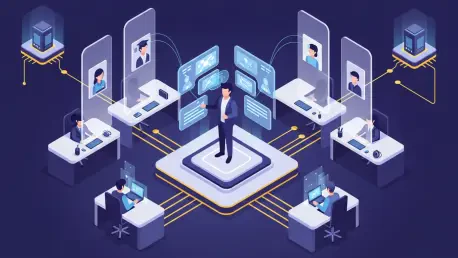

The sudden transition from stationary chalkboards to interconnected global networks has fundamentally altered the structural foundations of the academic experience for both instructors and their pupils. As classrooms evolve into sophisticated hubs of data-driven interaction, the role of the teacher is no longer defined by the distribution of static facts but by the ability to orchestrate complex digital ecosystems. This shift requires a profound commitment to agility, where the primary objective is to equip students with the analytical skills necessary to thrive in a society that is increasingly mediated by algorithmic intelligence. Consequently, professional educators are reevaluating their long-term career trajectories, recognizing that traditional instructional methods must be augmented with technological fluency to meet the high expectations of a digital-first economy. This transformation transcends the mere adoption of software; it represents a philosophical pivot toward adaptive pedagogy that prioritizes the learner’s individual journey over standardized, one-size-fits-all curriculum delivery models.
Redefining the Educator’s Professional Identity
The Shift: From Information Sources to Technology Navigators
In the contemporary educational landscape, teachers have transitioned from being the primary sources of knowledge to serving as technology navigators and mentors who facilitate critical thinking. Because modern students are digital natives who use technology as their main way of communicating and gathering information, teachers must align their methods with these interactive expectations. This shift ensures that the educator remains an effective guide within a digital-first environment, helping students navigate a vast world of online information while distinguishing between credible evidence and misinformation. The presence of a teacher is now less about lecturing and more about curating resources that challenge students to apply their knowledge in practical, tech-driven scenarios. This evolution requires a shift in mindset where the instructor is a co-explorer in the digital frontier, modeling the curiosity and resilience needed to master emerging platforms that change the way society functions.
The Priority: Achieving Deep Functional Literacy for Careers
Remaining effective in this new role requires more than just a passing familiarity with digital devices; it demands a deep, functional literacy that is integrated into every aspect of pedagogy. Professional growth is now viewed as an essential “software update” for an educator’s career, allowing them to create lessons that are both interactive and relevant to the real world. Without this ongoing commitment to skill development, teaching strategies risk becoming obsolete in a fast-moving environment where student needs change as quickly as the tools they use to solve problems. This continuous learning cycle involves experimenting with new platforms, participating in virtual professional communities, and understanding how data analytics can inform instructional decisions. By treating technological proficiency as a core competency rather than an optional add-on, educators solidify their value in a market that increasingly prioritizes workers who can navigate the intersection of human empathy and machine efficiency.
Adapting to the Modern Learning Environment
The Borderless Class: Mastering Hybrid and Virtual Spaces
The rise of the “borderless” classroom means that learning is no longer confined to a physical school building or a set schedule, creating a more fluid and accessible educational experience. Modern educators must be adept at managing hybrid and purely virtual spaces, utilizing video conferencing and collaborative digital workspaces to reach their students regardless of geographical barriers. This flexibility allows for a more inclusive educational environment that can adapt to the specific needs of a diverse student body, including those who may face physical or logistical challenges in attending traditional schools. By leveraging cloud-based platforms and asynchronous communication tools, teachers can extend the learning process beyond the standard school day, providing resources that are available whenever the student is ready to engage. This decentralization of the classroom requires a high degree of organization and the ability to manage various streams of information simultaneously to ensure that the educational narrative remains cohesive.
The Connection: Building Emotional Intelligence via Digital Tools
Success in these virtual environments requires a unique blend of technical mastery and emotional intelligence to overcome the inherent barriers of digital communication and distance learning. Teachers must find creative ways to foster meaningful intellectual and emotional connections through a screen, ensuring that feedback and participation feel immediate and personal rather than mechanical. Mastering these digital communication strategies is vital for maintaining student engagement and building a supportive community despite the physical distance between the teacher and the learner. This involves utilizing gamification, interactive polling, and breakout rooms to mimic the social dynamics of a physical classroom while adding layers of digital interactivity that are impossible in traditional settings. The goal is to create a digital presence that feels authentic and supportive, allowing students to feel seen and heard in a virtual space. This focus on the human element of digital instruction is what prevents technology from becoming a barrier to the teacher-student relationship in the long run.
Reimagining Curriculum and Career Paths
The Strategy: Implementing Student-Centered Instructional Design
Modern instructional design has pivoted toward a student-centered approach that prioritizes active engagement and collaborative projects over traditional, passive lecture-based models of teaching. By using formative assessments to monitor student progress in real-time, teachers can adjust their methods instantly to ensure no one is left behind in the curriculum or misses key conceptual milestones. This dynamic approach encourages students to take ownership of their own education, leading to increased confidence and better long-term educational outcomes in an increasingly competitive academic world. Technology facilitates this by providing adaptive learning software that adjusts the difficulty of tasks based on individual performance, allowing for a level of differentiation that was previously impossible. Students are no longer just recipients of information; they are active participants who help shape the direction of their learning based on their personal interests and professional aspirations within the broader framework of the course objectives.
The Advancement: Pursuing Specialized Degrees and Leadership Roles
As the complexities of the classroom increase, many educators are seeking advanced training and higher degrees to sharpen their professional skills and expand their career potential in new ways. Specialized programs, such as a Master of Education in curriculum and instruction, provide the practical tools necessary to lead and innovate in these modern, tech-integrated environments successfully. Balancing this professional growth with the intense demands of a current teaching role requires discipline, but it serves as a critical long-term strategy for career stability and excellence. Furthermore, digital integration has expanded career horizons, allowing teachers to move into leadership roles such as instructional coaches, curriculum specialists, or academic coordinators within the school system. These positions allow experienced educators to influence the educational system at a broader level while staying connected to the core mission of ensuring student success in a rapidly changing world. By embracing emerging technologies like artificial intelligence, teachers ensure they are prepared for the next frontier.
Strategic Pathways for Educational Evolution
The historical shift toward digital integration within the education sector proved that technology was not merely a supplement but a foundational element of modern pedagogical success. Schools that embraced comprehensive digital strategies witnessed a significant increase in student agency and a narrowing of the achievement gap through personalized interventions. Moving forward, the most successful institutions were those that prioritized teacher training as a continuous process rather than a one-time event. Educational leaders realized that investing in robust digital infrastructure was only half the battle; the real victory lay in fostering a culture of innovation where teachers felt empowered to experiment with new tools. To maintain this momentum, stakeholders focused on creating sustainable mentorship programs where veteran educators and digital-savvy newcomers collaborated to refine instructional delivery methods. These efforts ensured that the classroom remained a relevant and dynamic space where technology served the human purpose of learning and growth.