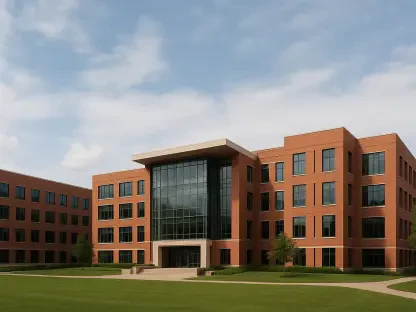

The perceived tension between empirical scientific inquiry and deeply held religious conviction often creates a false dichotomy that Azusa Pacific University seeks to dismantle through its integrated biological sciences curriculum. In a landscape where technology and ethics are increasingly intertwined, the university recognizes that the next generation of biologists requires more than just technical proficiency. By positioning faith as the lens through which scientific discovery is viewed, the institution fosters a learning environment where students do not have to choose between their intellectual curiosity and their spiritual devotion. This synergy is particularly vital in 2026, as the rapid pace of biotechnological advancement demands a workforce that is both technically skilled and morally grounded. The curriculum is meticulously designed to bridge the gap between academic study and personal calling, ensuring that graduates enter the workforce as holistic practitioners capable of addressing the complex challenges of the modern world with a unique perspective on the sanctity of life.
The Theological Foundation: Blending Faith and Reason
Seeing Science as an Act of Worship
Integration at the university begins with the foundational belief that the study of biology is inherently an exploration of a divine architectural plan. Faculty members do not treat faith as a separate or elective component of the education but rather as the very fabric that holds the biological disciplines together. When students investigate the complex pathways of molecular biology or the vast interdependencies of ecological systems, they are encouraged to view these discoveries as a form of reverence. This perspective shifts the focus from the mere acquisition of facts to a deeper understanding of the inherent beauty and order of the natural world. By acknowledging that all truth is interconnected, the department creates a space where scientific inquiry becomes a spiritual discipline, allowing students to engage with the natural world with a sense of wonder and humility that is often absent in strictly secular academic environments.
This theological framework also serves to ground students in a sense of purpose that transcends professional success. As they delve into the mechanics of genetics or the physiology of human systems, the recognition of life as a creation inspires a commitment to excellence that is driven by more than just grades or career advancement. This approach cultivates a student body that views scientific labor as an opportunity to honor the source of life through meticulous observation and ethical practice. Instead of seeing the laboratory as a cold, sterile environment of data collection, students are taught to perceive it as a place where the intricacies of creation are revealed. This intentional integration ensures that the pursuit of a biology degree is not just a journey toward a career but a transformative experience that aligns one’s professional identity with a greater spiritual calling, preparing them to serve with a deep-seated conviction.
Ethical Stewardship: Protecting the Natural Order
The integration of a Christian worldview naturally leads to a focus on stewardship, where students are taught to see themselves as caretakers rather than mere observers of the environment. This sense of responsibility is woven into courses on ecology, environmental science, and conservation biology, emphasizing the moral imperative to protect and preserve biodiversity. In 2026, as the global community faces unprecedented challenges related to climate change and resource depletion, this stewardship-centered approach provides students with a robust ethical compass. They learn to evaluate scientific interventions not only by their technical feasibility but by their long-term impact on the creation they are tasked to protect. This ethical development ensures that graduates enter the professional world with a commitment to sustainability and a desire to implement solutions that promote the health of both humanity and the planet.
Furthermore, this focus on stewardship extends to the medical and biotechnological fields, where the ethical implications of research are most profound. Students are encouraged to grapple with the complexities of bioethics, considering how their work can either uphold or diminish the dignity of human life. By fostering a culture of care and responsibility, the university prepares its graduates to be leaders who prioritize the well-being of others and the integrity of the natural world. This preparation is essential for those pursuing careers in healthcare or research, where daily decisions often involve significant moral weight. The goal is to produce scientists who are not only capable of performing high-level tasks but who do so with a conscience shaped by the principles of service and protection. This dedication to ethical stewardship transforms the role of the biologist into that of a servant-leader, dedicated to the flourishing of all life forms.
Mentorship and Professional Readiness: Building Global Leaders
Nurturing the Next Generation: Mentorship in Action
A hallmark of the educational experience in the biological sciences is the emphasis on personalized mentorship and close-knit academic relationships. Small class sizes allow senior faculty members to provide individualized attention that is rarely found in larger research institutions. This model prioritizes the holistic development of the student, ensuring that academic advising goes beyond course selection to include professional guidance and spiritual support. Faculty members serve as mentors who are deeply invested in the success of their students, helping them navigate the challenges of a rigorous science degree while encouraging them to remain steadfast in their faith. This supportive environment creates a safe space for students to ask difficult questions, explore their unique interests, and build the confidence necessary to pursue ambitious goals in the scientific community.
The mentorship program also plays a vital role in preparing students for the competitive landscape of graduate and professional schools. Through regular interactions with professors who are experts in their fields, students receive tailored advice on everything from medical school applications to identifying research opportunities that align with their career aspirations. This personal touch ensures that every student is seen and known, fostering a sense of belonging that enhances the overall learning experience. By the time they reach their final years of study, many students have developed professional networks that extend well beyond the campus, thanks to the connections and recommendations of their faculty mentors. This approach to education values the student as an individual with a unique calling, providing the structural and emotional support needed to translate academic potential into professional reality in an increasingly demanding global market.
Undergraduate Research: Mastering High-Level Instrumentation
The commitment to hands-on learning is exemplified by the access students have to sophisticated laboratory equipment and faculty-guided research projects early in their academic careers. Unlike many institutions where high-level instrumentation is reserved exclusively for graduate students, undergraduates here are trained to use advanced tools such as flow cytometers, high-performance liquid chromatography systems, and modern genetic sequencers. This direct exposure allows students to master modern laboratory techniques while they are still in their formative years, giving them a distinct competitive advantage. By conducting original research alongside faculty, students learn the intricacies of experimental design, data analysis, and the peer-review process. This practical experience is not merely an academic exercise; it is a critical step in developing the problem-solving skills and technical proficiency required for success in biotechnology and medicine.
Research initiatives often lead to students presenting their findings at regional and national conferences, where they engage with the broader scientific community. These opportunities allow them to articulate their ideas, defend their methodologies, and contribute to the collective knowledge of their respective fields. Whether they are investigating local biodiversity or working on molecular solutions for human diseases, students are encouraged to pursue projects that have real-world implications. This focus on active participation in the scientific process ensures that graduates are not just consumers of information but creators of knowledge. The confidence gained through independent research prepares them for the rigors of doctoral programs and high-level industrial positions, where the ability to innovate and lead is paramount. By providing these high-level opportunities, the university ensures its students are well-prepared to meet the technical demands of the workforce from day one.
Real-World Impact: Success and Integrity in Practice
Professional Integration: Success Beyond the Classroom
The efficacy of combining a rigorous scientific education with a faith-based worldview is most evident in the professional achievements of the program’s alumni. Many graduates have secured positions at prestigious institutions such as the City of Hope, where they contribute to groundbreaking research in oncology and molecular medicine. The technical skills acquired through early research experiences allow these individuals to excel in roles that typically require several years of post-graduate training. Employers often note the exceptional preparation of these graduates, highlighting their ability to integrate complex technical knowledge with a compassionate approach to patient care and research. This track record of success serves as a powerful validation of the university’s model, demonstrating that faith and science are not mutually exclusive but are, in fact, powerful partners in professional excellence.
The program’s focus on professional development also includes a strong emphasis on the soft skills that are essential for long-term career success. Students are taught how to communicate scientific concepts to diverse audiences, collaborate effectively in multidisciplinary teams, and lead projects with integrity. These skills are particularly important in the healthcare sector, where the ability to empathize with patients and work seamlessly with other medical professionals can significantly improve outcomes. By the time they graduate, students possess a comprehensive toolkit that includes technical mastery, ethical clarity, and professional poise. This well-rounded preparation ensures that they are ready to step into leadership roles where they can influence the direction of scientific discovery and clinical practice. The impact of these alumni continues to grow, as they bring a unique blend of expertise and character to some of the most challenging problems in modern science.
Future Leadership: Navigating Moral Complexities in Medicine
As the world moved toward the middle of the decade, the landscape of biotechnology and medicine presented increasingly complex moral dilemmas that required a new kind of leader. Students at Azusa Pacific University embraced a curriculum that proactively addressed these challenges, ensuring that their scientific training was always accompanied by a robust ethical framework. They engaged with topics ranging from genetic engineering to the distribution of global healthcare resources, learning to apply a faith-based perspective to the most pressing issues of the day. This preparation was not merely theoretical; it was a practical necessity for those who intended to lead with integrity in an era where technical capability often outpaced ethical consensus. The focus on character development proved to be a decisive factor for graduates as they navigated the nuances of modern clinical and research environments.
The path forward for these emerging scientists was defined by a commitment to using their expertise for the greater good of society and the honor of their Creator. They learned that being a leader in the biological sciences required more than just the ability to publish papers or secure grants; it required the courage to advocate for the vulnerable and the wisdom to choose ethical paths in the face of commercial pressure. These graduates carried with them a vision of science that was deeply humane and spiritually informed, setting a standard for excellence that inspired their peers and colleagues alike. By integrating faith and science so thoroughly, the university provided its students with the tools to become not just successful professionals, but agents of positive change in a world that desperately needed both their knowledge and their compassion. The enduring success of this model was found in the lives of those who moved beyond the classroom to serve with a purpose that was both scientific and sacred.