
Student leaders in the Mizzou Space Program emphasize that enthusiasm and project management are just as vital as computer-aided design for a successful mission. This perspective is a core component of what is known as the Missouri Method, a philosophy that prioritizes experiential learning as a bridge between theoretical knowledge and professional excellence. While the university has long been recognized for applying this model in journalism, the concept has expanded into every corner of the campus, transforming how students in engineering, agriculture, and the sciences prepare for their careers. By immersing themselves in student-led organizations that operate like professional entities, participants gain a competitive edge that classroom instruction alone cannot provide. This immersive environment forces students to navigate the complexities of teamwork, technical failures, and real-world deadlines, ensuring they graduate not just with a degree, but with a portfolio of achievements that speak directly to the needs of modern industry.
Bridging Theory and Practical Skill Development
Technical Proficiency: Cultivating Industry Readiness
Technical proficiency remains the cornerstone of the Missouri Method as it manifests within various competitive student teams. In organizations like Mizzou Racing, students move beyond the basics of mechanical theory to handle high-voltage electronics and intricate powertrain systems that are typically reserved for senior-level professional engineers. Similarly, the Tractor Pulling Team offers a rigorous environment where students master advanced welding techniques and complex engine maintenance, tasks that require precision and physical endurance. These specific competencies serve as a direct bridge to the professional world, providing students with substantial, quantifiable talking points for high-stakes job interviews. As a result, recruiters from prestigious global entities like NASA, Boeing, and Lockheed Martin frequently seek out these graduates. These companies recognize that a resume reflecting years of practical, hands-on experience is far more valuable than one consisting of purely theoretical knowledge.
The Missouri Method extends beyond individual technical gains by fostering a robust ecosystem of mentorship and deep professional integration. Faculty advisors within these organizations do not simply lecture; they act as coaches and industry liaisons who assist students with rigorous technical assessments while facilitating vital connections with the broader professional community. This structure creates a self-sustaining cycle of opportunity where alumni, many of whom have secured prominent positions at major corporations, often return to their alma mater to sponsor and mentor current teams. Such ongoing integration ensures that students are not merely competing against their peers for grades but are being actively absorbed into a professional network that supports their growth long after graduation day. This exposure to industry standards and expectations prepares them for the transition from the university setting to the global workforce, making them assets from their first day on the job.
Mechanical Innovation: Agriculture and Engineering Systems
Within the College of Agriculture, Food and Natural Resources, the Missouri Method is exemplified by the work of the Mizzou Soil Judging Team, where students literally get their hands dirty. By standing in six-foot-deep soil pits, participants learn to analyze soil morphology, texture, and moisture levels to determine land suitability for critical infrastructure and sustainable farming practices. This immersive fieldwork transforms abstract geological concepts into tangible data points that have real-world implications for environmental management. The team’s consistent success in national competitions is a testament to the efficacy of this hands-on approach, as students must accurately identify complex soil profiles under timed conditions. This rigorous training turns novices into confident environmental scientists who understand the physical properties of the earth beneath their feet. The experience provides a foundation of technical expertise that is invaluable for those pursuing careers in conservation or agricultural consulting.
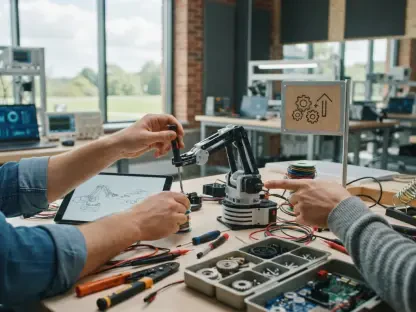
In the realm of mechanical engineering, teams like the Torq’N Tigers demonstrate the power of iterative design and manufacturing by building specialized machinery from the ground up. The Tractor Pulling Team focuses on a comprehensive manufacturing process that allows students to bridge the gap between rural agricultural traditions and modern engineering standards. By designing and fabricating their own tractors, students engage with every stage of production, from initial computer-aided design to the final assembly of heavy-duty components. This process requires a deep understanding of mechanical principles, torque management, and structural integrity under extreme loads. The hands-on nature of the project ensures that students are not just spectators but active creators who must account for the physical constraints of the materials they use. This direct involvement in manufacturing fosters a practical mindset that is essential for success in industries ranging from automotive design to heavy equipment manufacturing.
Collaborative Projects and Long-Term Professional Impact
Aerospace Exploration: Interdisciplinary Mission Success
The Mizzou Space Program represents the pinnacle of complex project management and technical ambition among the university’s diverse array of student organizations. By participating in elite events such as the Argonia Cup, students apply sophisticated physics and advanced computer-aided design to launch rockets thousands of feet into the atmosphere. This program perfectly captures the essence of the Missouri Method by requiring students to integrate multiple disciplines to ensure a successful flight and recovery. The complexity of these missions means that every detail, from the propulsion system to the electronic recovery sensors, must be meticulously planned and tested. This level of technical rigor is balanced by the immense satisfaction that comes from seeing a self-built machine successfully take flight after months of preparation. This experience provides a significant psychological boost, reinforcing the students’ commitment to the field of aerospace engineering while demonstrating the practical application of their academic coursework.
A vital component of these high-level projects is their unwavering commitment to inclusivity and interdisciplinary cooperation across the entire campus. While many of these organizations are physically housed within engineering or agriculture departments, they are generally open to students of all majors and experience levels. This democratic approach recognizes that a successful rocket launch or racing season requires a diverse array of talents that go far beyond technical engineering skills. For instance, teams need students skilled in graphic design for branding, project management for logistics, and strategic communication for fundraising. This variety of perspectives ensures that the organizations function like real-world companies, where professionals from different backgrounds must learn to collaborate effectively. By working alongside peers with different areas of expertise, students develop the soft skills necessary to navigate the multifaceted environments they will encounter in their future careers.
Educational Evolution: Holistic Growth and Autonomy
The narrative that emerges from these various organizations is one of holistic education that prioritizes student autonomy and the transition from abstract theory to tangible results. At the University of Missouri, extracurricular activities are not viewed as mere hobbies but as essential components of the academic curriculum that provide the necessary context for classroom learning. By giving students the freedom to fail, iterate, and eventually succeed in physical environments, the university fosters a level of professional resilience that cannot be replicated in a traditional lecture hall. Whether the laboratory is a six-foot trench in a rural field or a high-tech launch site in the desert, the core experience remains consistent: the successful application of knowledge to solve complex problems. This approach ensures that Mizzou graduates are not just prepared for their first job, but are equipped with the mindset and skills necessary to become leaders and innovators in their respective fields.
Educational institutions and industry partners looked toward this model as a blueprint for bridging the skills gap in the modern workforce. The transition from passive learning to active participation proved to be the most effective way to prepare students for the uncertainties of a rapidly changing technological landscape. Moving forward, the university focused on expanding these opportunities by investing in more dedicated laboratory spaces and creating formal credit structures for student-led projects. This commitment to the Missouri Method demonstrated that when students were given the tools and the autonomy to lead, they produced innovations that rivaled professional standards. Graduates entered the professional world with a deep-seated confidence, having already proven their abilities in high-stakes, real-world scenarios. By prioritizing hands-on experience, the university ensured that its alumni remained at the forefront of their industries, ready to tackle the challenges of the next decade with technical precision and collaborative spirit.