
Operational staff have scheduled the annual Student Services Fair for September 15-16 at CAT Crossing to provide a low-pressure gateway for new students to explore resources. This initiative serves as the cornerstone for the 2026-27 academic year, which sees the Northern Alberta Institute of Technology implementing an unprecedented level of integrated assistance. Under the strategic direction of Erin Saiko, the Director of Student Success, the institute has transitioned from a reactive model to a proactive, holistic framework that anticipates the shifting emotional and logistical needs of the student body. The philosophy driving these changes acknowledges that the transition into polytechnic education is not merely a bureaucratic process but a multi-stage psychological journey. By aligning various administrative and support branches, the institution aims to provide a seamless transition that carries students from the initial excitement of their enrollment through the intense pressures of high-level technical studies. This ensures that help is visible and accessible before challenges escalate.
Equitable Learning: Strategies for Customized Academic Aid
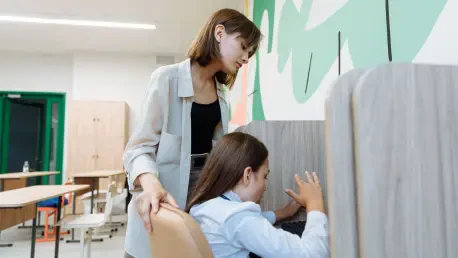
Central to this new framework is the Department of Learning Services, which functions as the primary mechanism for ensuring academic equity across all programs. The staff within this department are tasked with identifying and dismantling specific physical, cognitive, and systemic obstacles that might prevent a student from achieving their full potential. Rather than applying a broad, standardized set of accommodations, the department utilizes a case-by-case approach where specialists work one-on-one with students to develop tailored strategies. This might include structural modifications to the learning environment or the provision of additional time for complex examinations. By focusing on the individual rather than the general population, the department ensures that no student is left behind due to circumstances outside their control. This personalized methodology reinforces the idea that academic success is a right accessible to all, provided the correct supports are in place to mitigate inherent disadvantages.
Beyond logistical adjustments, the integration of advanced assistive technologies has become a defining feature of the academic aid offered for the current term. Learning Services has expanded its inventory of digital tools to include sophisticated software that assists with transcription, organization, and visual processing, specifically curated for the rigors of technical polytechnic curricula. These tools are not merely optional extras but are integrated into the student’s daily workflow to bridge functional gaps and enhance productivity. The proactive nature of these interventions allows students to focus entirely on mastering complex technical skills and practical competencies without being distracted by avoidable barriers. By leveling the playing field through technological and pedagogical innovation, the institute fosters an environment where merit and effort are the primary determinants of success. This strategy effectively removes the frustration often associated with learning disabilities or physical limitations, allowing for a more inclusive and diverse campus.
Cultural Inclusion: Dedicated Spaces for Peer Connection
Cultural recognition is another pillar of the institution’s strategy to improve student persistence and overall well-being. The Nîsôhkamâtotân Centre continues to expand its influence as a dedicated sanctuary for First Nations, Métis, and Inuit students, providing more than just academic help. It serves as a vital physical and social space where traditional ways of knowing are actively integrated into the polytechnic experience. By providing regular access to respected knowledge keepers and hosting Indigenous-specific orientations, the center ensures that these students see their heritage reflected in the institutional fabric. This reclamation of space within a modern technical environment is essential for building safety and trust, fostering a sense of ownership among Indigenous learners. The center’s programs emphasize that cultural identity is a foundational strength rather than a separate concern, encouraging students to bring their full selves to their studies. This approach promotes long-term engagement and community resilience.
Complementing the focus on domestic diversity, the International and Intercultural Community Centre (IICC) serves as a critical support hub for a global student body. Recognizing the unique hurdles faced by international learners, the IICC provides specialized guidance on complex issues such as immigration status, local settlement, and navigating the nuances of a new cultural environment. However, its mission extends beyond administrative support; it acts as a platform for intercultural exchange that enriches the entire campus community. By facilitating social connections and peer mentorship programs, the IICC helps international students build a “safe landing pad” that mitigates the isolation often felt when studying abroad. Empowering these students to share their unique perspectives and voices ensures that the institution remains a dynamic and inclusive environment. Ultimately, this preparation helps graduates navigate the complexities of a diverse global workforce, turning cultural intelligence into a professional asset that benefits both the individual and their future employers.
Wellness Initiatives: Proactive Mental Health and Recreation
The institutional stance on mental health has shifted toward a model of early intervention, emphasizing that professional help should be sought long before a crisis manifests. The NAIT Counselling team consists of regulated professionals who are readily available for consultations regarding everything from minor stress to significant life challenges. To ensure that support is never out of reach, the campus has fully integrated the Greenshield+ digital platform, which provides students with 24/7 access to mental health resources and professional advice. This hybrid model addresses the reality that student life does not always adhere to standard business hours, offering a safety net for those studying late or managing personal responsibilities off-campus. By normalizing the act of seeking support for small stressors, the institution aims to reduce the stigma associated with mental health care. This proactive environment allows students to maintain their emotional equilibrium, which is directly linked to their ability to remain focused on demanding academic goals.
Physical wellness is also being reframed as a tool for social and emotional connection through the various offerings of the Campus Recreation department. Moving away from a purely competitive model, the current programming prioritizes “connection over competition,” encouraging students to engage in physical activity as a means of building community and relieving stress. From traditional fitness classes and intramural sports to modern esports leagues, the recreation programs are designed to appeal to a broad spectrum of interests and abilities. This inclusive approach recognizes that social isolation can be as detrimental to student success as academic difficulty. By providing low-pressure environments for interaction, the department helps students build peer networks that extend beyond the classroom. These social bonds often prove to be a critical factor in a student’s decision to persevere through challenging periods in their education. Consequently, recreation is viewed as a vital component of the holistic support system, contributing to a balanced and fulfilling student life.
Integrated Infrastructure: The Role of Technology and Feedback
The evolution of the campus library into a high-tech production hub proved essential for students engaged in complex engineering and design projects. By providing access to VR-ready laptops and 3D printing facilities, the library ensured that no student was limited by their own financial resources or access to hardware. This democratization of technology was paired with the intellectual support of the Writing Center, which assisted students in articulating their technical findings with professional clarity. The makerspaces offered hands-on experience with CNC mills and laser engravers, allowing for a seamless transition from digital design to physical prototype. This infrastructure not only supported academic assignments but also encouraged independent innovation and entrepreneurial ventures among the student body. The library functioned as a critical intersection where physical tools and intellectual guidance met, fostering a culture of practical problem-solving. This environment was pivotal in preparing students for the technical demands of their respective industries upon graduation.
To ensure the continued success of the polytechnic community, the administration established several key objectives for the post-2027 period. They prioritized the expansion of peer-led mental health workshops and the further integration of Indigenous knowledge into technical laboratories. Actionable steps were taken to formalize the feedback loop between the Student Success office and academic departments, ensuring that support resources evolved in real-time with curriculum changes. The institution moved toward a model where every technical program included a mandatory orientation session led by the Centre for Community and Belonging. These initiatives were designed to bridge the gap between classroom theory and the social realities of the modern workforce. By analyzing the outcomes of the current academic cycle, officials identified that social connection was the primary driver of academic persistence. Consequently, the institution solidified its commitment to maintaining these multi-layered support systems as a fundamental aspect of the student experience.