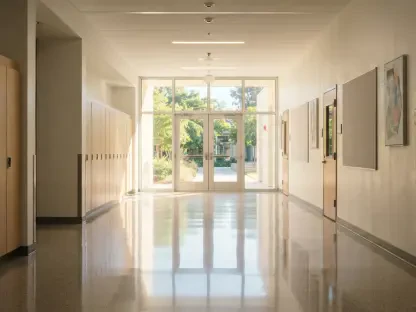

The NMCC Childcare Center addresses the fragmentation of the local childcare sector by providing a physical location for regional coordination, sustainability planning, and family support. This recently inaugurated facility in the Timothy D. Crowley Building represents a landmark achievement for Presque Isle and the broader Aroostook County region. By integrating early childhood services directly into the campus environment, Northern Maine Community College has established a blueprint for rural economic development that acknowledges the deep intersection between educational attainment and family welfare. Historically, a lack of reliable childcare acted as an invisible barrier that kept talented individuals out of the workforce and prevented students from completing their credentials. The center now serves as a direct response to these systemic challenges, offering a stable environment where children can thrive while their parents focus on professional growth. This collaborative effort with the Aroostook Community Action Program signals a new era for local community support and progress.
A Multifaceted Approach to Community Service
Integrating Early Childhood Education and Professional Training
The facility serves as a vital laboratory school for the Early Childhood Education Program, allowing college students to transition seamlessly from theoretical study to practical application. Within this controlled and professional environment, future educators observe and participate in the daily operations of a high-standard childcare setting. This hands-on experience is critical for developing the competencies required to manage classroom dynamics and understand the developmental milestones of young children. By working alongside seasoned professionals from the Aroostook Community Action Program, NMCC students receive immediate feedback and mentorship that is often difficult to replicate in a traditional classroom setting. This pedagogical model ensures that the local workforce is populated by graduates who are not only academically qualified but also practically prepared for the rigors of the field. As these students graduate, they bring a refined level of expertise back into the community, raising the overall standard of care across the entire region.
The physical headquarters for the Aroostook County Childcare Resource Center is also located within the facility, representing a strategic partnership with the United Way of Aroostook. This inclusion transforms the building into a comprehensive hub that extends its influence far beyond the students and staff of the college. By centralizing these resources, the center becomes a primary point of contact for independent childcare providers throughout the county who may otherwise feel isolated in their professional practice. It offers a venue for ongoing professional development, training sessions, and administrative support that are necessary for maintaining state licensure and improving service quality. This centralized approach reduces the logistical hurdles that many small-scale providers face, allowing them to focus more on the children in their care and less on the complexities of regional compliance. Furthermore, it creates a sense of community among local educators, fostering a network of collaboration that strengthens the entire regional childcare ecosystem.
Removing Economic Barriers and Supporting the Local Workforce
A primary objective of the new facility is to eliminate the childcare bottleneck that frequently prevents qualified individuals from participating in the local economy. By offering priority enrollment to students and employees of the college, NMCC directly addresses the primary reason for student attrition and staff turnover. This focused support allows parents to maintain a consistent schedule, which is essential for success in rigorous academic programs or high-demand professional roles. The economic implications are significant, as increased degree completion leads to a more skilled workforce and higher regional earning potential through 2027 and 2028. Removing the constant anxiety regarding childcare allows individuals to invest more deeply in their own career development, creating a more dynamic and resilient local market. This investment in human capital is particularly important in rural areas where workforce participation rates are a key indicator of overall health. By stabilizing the lives of students, the college fosters a more productive environment.
The center operates on a mixed-delivery model that blends Head Start and Early Head Start services with private-pay and subsidized options. This financial structure is intentionally designed to ensure socio-economic diversity within the center, creating an environment where children from various backgrounds interact and grow together. It also ensures that the high-quality care provided by the facility is not a luxury reserved only for those with significant financial means. By accommodating families through different funding streams, the center remains accessible to low-income students while also providing a high-value option for professional staff and community members. This inclusivity is a cornerstone of the center’s mission, as it reflects the community’s commitment to equity and shared progress. Furthermore, the sustainability of the center is enhanced by this diverse funding base, which protects the program from fluctuations in any single revenue source. This balanced economic approach ensures that the center remains a reliable fixture for the community.
Implementing Sustainable Growth for Aroostook Families
The establishment of the Northern Maine Community College Childcare Center successfully created a framework for long-term community resilience. Stakeholders from the academic, philanthropic, and state sectors collaborated to ensure that the facility addressed the immediate needs of families while building a foundation for future prosperity. This initiative proved that childcare is a critical component of economic infrastructure, as evidenced by the improved retention rates and increased workforce participation observed following its opening. The project also established clear pathways for students to enter the early childhood education field with unprecedented levels of practical experience. By prioritizing the co-location of resources, the center effectively streamlined the support network for childcare providers across the county. This comprehensive approach allowed for better coordination of services and more equitable access to high-quality care. The successful integration of these diverse services served as a model for other rural areas.
Moving forward, the region was encouraged to maintain these institutional partnerships to ensure the continued sustainability of the facility and its mission. Actionable next steps included the expansion of subsidized slots to reach more rural outlying areas and the development of specialized evening care programs to support students in night classes. Local business leaders explored ways to integrate the center’s model into their own employee benefit packages, recognizing that stable childcare directly impacts the regional bottom line. The center also initiated a longitudinal study to track the educational outcomes of its students, providing data that will guide future investments in early childhood education across Maine. By fostering an environment where children, parents, and educators all had the opportunity to thrive, the college laid the groundwork for a more prosperous future. These proactive measures ensured that the center remained an engine of economic growth and a cornerstone of community stability for years to come.