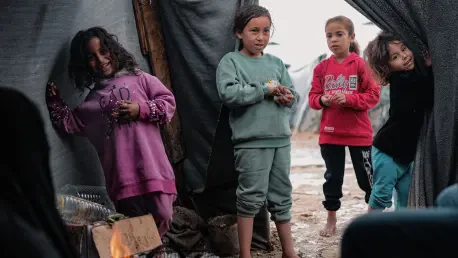

The biological clock of early childhood development does not pause for geopolitical conflict, and for the youngest residents of Gaza, the neurological window that shapes a lifetime of potential is rapidly closing. Scientists and educators have long established that approximately ninety percent of a child’s brain development occurs before the age of six, making these early years the most critical period for cognitive and emotional growth. Currently, a massive humanitarian crisis is threatening to leave a permanent mark on these children, creating what experts call a lost generation stripped of their formative experiences. A recent initiative by the global charity Theirworld, presented in a report titled “Early Childhood Development in GazA Blueprint and Urgent Call for Action,” highlights a catastrophic gap in nutrition, safety, and education. Without immediate and structured intervention, the damage to their long-term potential may become irreversible. The situation requires a specialized approach that addresses the unique needs of infants and toddlers who have known nothing but instability.
The Magnitude of the Developmental Crisis
Assessing the Human Cost: The Impact of Conflict
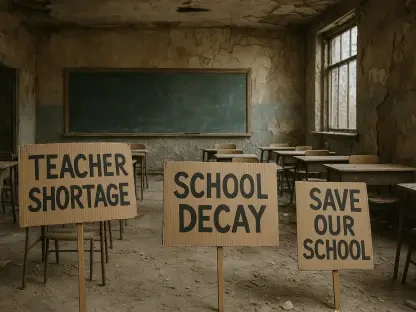
The data presented in the latest reports reveals an emergency of unprecedented scale, affecting more than 500,000 individuals, including pregnant women and children under the age of six. Approximately 70,000 children have lost access to preschool because the educational infrastructure has been almost entirely decimated over the past months. This loss of early schooling is not merely an academic delay; it represents a total breakdown of the developmental milestones that prepare a child for life. When educational facilities are destroyed, the safe spaces that foster curiosity and social interaction vanish, leaving children in a state of perpetual hyper-vigilance. The destruction of these buildings also means the loss of specialized equipment and trained educators who are essential for early childhood support. This massive disruption has effectively erased seventy-seven years of steady progress in regional education and health benchmarks, creating a void that will take decades to fill if the current trajectory is not corrected immediately.
Psychological Damage: Addressing the Invisible Scars
Beyond the physical destruction of schools and homes, the psychological toll on the youngest survivors is profound, with experts estimating that one hundred percent of children in the region now require mental health and psychosocial support. The constant exposure to high-stress environments triggers a physiological response known as toxic stress, which can physically alter the architecture of a developing brain. Tens of thousands of children have been separated from their parents or orphaned, losing the primary caregivers who provide the “serve and return” interactions necessary for healthy neural connections. This lack of emotional security leads to long-term issues with executive function, self-regulation, and learning capabilities. The developmental setback is so severe that it threatens the social fabric of the future, as an entire cohort of children struggles to process trauma while simultaneously trying to acquire basic life skills. Addressing this invisible crisis requires more than just standard aid; it necessitates a comprehensive system of psychological first aid tailored specifically for the cognitive levels of young children.
Implementing a Blueprint for Recovery
Structured Environments: The Power of Play and Routine
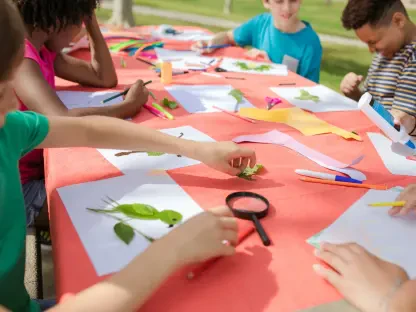
In direct response to this emergency, Theirworld has established twelve temporary learning centers in critical locations like Khan Younis, currently serving roughly seven hundred young children. These centers do not just focus on basic academics; they provide a holistic environment where routine and play act as a stabilizing force for children who have experienced extreme trauma. Within these walls, activities like singing, drawing, and storytelling are treated as essential therapeutic tools rather than mere luxuries. By providing a safe and predictable space to interact with peers, the centers offer these children their first real sense of normalcy since the conflict began. The curriculum is designed to rebuild the cognitive foundations that have been shaken by displacement and fear. Teachers focus on social-emotional learning, helping children identify and express their feelings in a supportive setting. This structured approach helps to lower the levels of cortisol in the children’s systems, allowing their brains to shift from a state of survival back to a state of learning and exploration.
Individual Resilience: Evidence of Recovery in Action
The effectiveness of this specific intervention is clearly illustrated by the story of five-year-old Kawthar, who suffered from severe anxiety and insomnia after being displaced multiple times. Before entering the program, her mother noted that she was withdrawn and plagued by constant fear, unable to engage with other children or focus on simple tasks. However, after only one month at a Theirworld center, Kawthar began to regain her self-confidence and rediscovered her interest in creative tasks like writing and drawing. This rapid transformation highlights the immense power of early intervention in moving children from a state of constant survival-based fear to one where they can begin to grow again. Kawthar’s progress serves as a vital case study for the international community, proving that even the most traumatized children can exhibit remarkable resilience when provided with the right psychological and educational support. Her journey from silence to self-expression demonstrates that while the window for development is closing, it is not yet shut, provided that resources are mobilized with speed and precision.
Building a Scalable Model for the Future
Economic Efficiency: Utilizing Local Knowledge for Aid
The strategy employed by Theirworld is built on a model that is both high-impact and remarkably cost-effective, costing less than $1.30 per child each day once a center is operational. To ensure the programs are sustainable and culturally appropriate, the charity works closely with the Palestinian Early Childhood Education Program, a local organization with decades of specialized experience. This partnership ensures that aid is delivered by people who deeply understand the community’s unique needs and cultural nuances, which increases the trust and efficacy of the programs. Supported by philanthropic funding from the El-Erian Family Foundation, this approach provides a clear blueprint for how quality care can be delivered in even the most unstable environments. By leveraging local expertise, the initiative avoids the common pitfalls of top-down aid and instead builds a foundation of community resilience. The low daily cost makes the program highly scalable, offering a realistic path for international donors to support thousands of children without requiring an impossible level of financial commitment.
Strategic Expansion: Preventing a Generational Loss
Despite the success of the existing centers, the need for rapid expansion is urgent as hundreds of children remain on waiting lists, their developmental windows shrinking by the day. Theirworld has launched a public appeal to scale these efforts, emphasizing that while rebuilding physical infrastructure like roads and power grids will take years, the developmental needs of children must be met now. Failing to provide adequate nutrition, mental health care, and early learning today could result in a permanent loss of human capital for an entire generation. This unified model of local partnership and low-cost delivery offers a viable way to protect the future of children living in conflict zones before the damage becomes a lifetime of disability. The current goal involves increasing the number of centers to cover more geographic areas, ensuring that no child is left without a safe space to learn and heal. This initiative represents a critical shift in humanitarian aid, moving beyond basic survival to prioritize the long-term cognitive and emotional health of the most vulnerable members of society.
The Path Forward for Early Intervention
The international community recognized that the window for meaningful intervention in early childhood development was a fleeting opportunity that demanded immediate action. Stakeholders determined that the implementation of low-cost, high-impact learning centers provided a scalable solution to a crisis that once seemed insurmountable. The success of these programs was rooted in the seamless integration of local expertise with global philanthropic support, which created a sustainable framework for recovery. Future efforts were directed toward expanding these temporary centers into a permanent network of early childhood support that prioritized psychological health alongside education. By addressing the root causes of toxic stress and providing structured environments, the initiative effectively began to reverse the developmental decline seen in previous years. It was through this focused, evidence-based approach that the trajectory of a generation was shifted from a state of loss toward a future of potential. The lessons learned from this model offered a blueprint for protecting the cognitive development of children in conflict zones globally, ensuring that early childhood remains a protected priority.