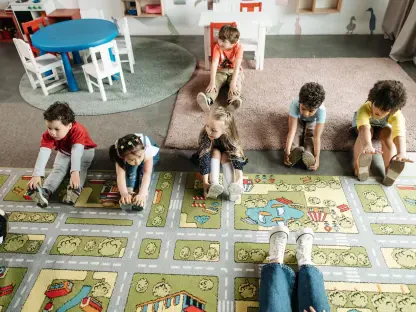

The Knowledge and Human Development Authority has introduced a specialized guide to standardize Islamic Education pedagogy across all private kindergartens and early childhood centers in the emirate. This initiative represents a comprehensive effort to elevate the quality of religious instruction for children between the ages of four and six, ensuring that the formative years of learning are grounded in professional rigor. As the educational landscape in Dubai continues to diversify in 2026, the need for a unified framework has become paramount to maintain high academic and spiritual standards. The authority has emphasized that these regulations are designed to provide a clear roadmap for institutions, moving away from fragmented instructional methods toward a more cohesive and vetted approach. By focusing on this specific age group, the KHDA aims to instill a deep and accurate understanding of Islamic principles from the very beginning of a child’s academic journey, fostering an environment where cultural identity and educational excellence coexist seamlessly within the private sector.
Teacher Standards and Qualifications
Academic Credentials and Specialization
Establishing clear academic benchmarks is central to the new regulatory framework, with the KHDA instituting tiered qualification requirements that vary based on the type of educational institution. For teachers operating within early childhood centers, a minimum of a Level 3 qualification is now mandatory, while those employed in private schools are held to a higher standard, requiring at least a Level 6 qualification. These benchmarks ensure that educators possess the necessary pedagogical depth to engage young learners effectively. Furthermore, the authority has specified that acceptable specializations include degrees in Islamic Education, Early Childhood Education, or Arabic language studies. This specialized focus ensures that teachers are not only subject-matter experts but also understand the developmental psychology of four-to-six-year-olds. By enforcing these academic standards, the emirate is professionalizing the role of religious educators, ensuring they are equipped to handle the nuances of modern early childhood instruction.
Vetting Procedures and Appointment Protocols
A critical component of this policy is the introduction of a more rigorous vetting process for teachers who are assigned to provide religious instruction. Even if an educator is already authorized to teach the Arabic language, they must now obtain a separate, explicit appointment notification from the KHDA that specifically authorizes them to teach Islamic Education. This measure prevents schools from assigning religious duties as a secondary or default task to staff members who may lack the necessary theological or pedagogical training. The recruitment process within schools must involve comprehensive interviews and competency checks to verify that every teacher has a robust understanding of the Ministry of Education curriculum. Additionally, institutions must ensure that the inclusion of Islamic Education duties does not compromise the quality of Arabic language instruction. This requires a strategic balancing of workloads, adhering strictly to existing language education policies while maintaining the integrity of religious studies within the classroom.
Classroom Implementation and Compliance
Language Diversity and Grouping Strategies
The new guidelines introduce a nuanced approach to language usage, acknowledging the diverse cultural and linguistic backgrounds of the student population in Dubai. For Arab Muslim children, the mandate is clear: Islamic Education must be delivered in Arabic to preserve linguistic and cultural heritage. Conversely, non-Arab Muslim children are typically instructed in the school’s primary language of instruction, providing them with a more accessible learning experience. However, the KHDA has maintained a level of flexibility by allowing parents of non-Arab students to request their children join Arabic-language groups, subject to the school’s approval and logistical capacity. To manage these diverse needs, institutions are encouraged to organize children into language-specific groups within the same classroom or in separate environments. Teachers tasked with leading mixed-language sessions are now required to demonstrate high proficiency in both Arabic and the secondary language of instruction, ensuring that no child is left behind due to a communication barrier during these vital lessons.
Strategic Integration of Educational Outcomes
The implementation of this framework successfully shifted the focus toward measurable student progress and institutional accountability. Schools adopted the learning outcomes approved by the Ministry of Education, integrating them into daily lesson plans and long-term academic strategies. This structured approach required institutions to maintain detailed records of student assessments and resource allocations, which became essential components of the revised inspection process. By documenting how each child advanced toward specific learning goals, educators provided a transparent view of the curriculum’s effectiveness. The transition also emphasized the importance of inclusive education, as schools developed specialized accommodations for children of determination to ensure they achieved the same religious literacy as their peers. Ultimately, these measures created a more robust educational environment where transparency and high standards became the norm. Moving forward, the focus remained on continuous data collection and periodic reviews to adapt the curriculum to the evolving needs of the global student body.