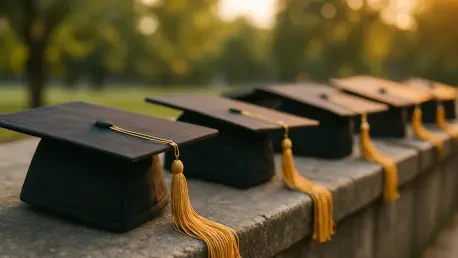

The halls of Cardinal Spellman High School in Brockton resonate with a unique sense of accomplishment as the institution prepares to bid farewell to a group of scholars whose dedication to excellence has redefined the standard for secondary education. Celebrating its sixty-fifth annual commencement, the school has officially announced the top ten graduates of the current class, recognizing a cohort that has consistently exceeded expectations within a demanding college-preparatory environment. These individuals represent more than just high numerical rankings; they embody a synthesis of rigorous intellectual curiosity, seasoned leadership, and a steadfast commitment to the school’s core values. In a landscape where academic competition remains fierce, these students managed to navigate complex curricula while simultaneously enriching the school culture through athletics, the performing arts, and expansive philanthropic initiatives that reached across the region and beyond.
Academic Excellence: Pursuing Rigorous Standards
A defining characteristic of this group is a shared dedication to academic rigor, with nearly every student earning recognition as an AP Scholar for their performance on college-level examinations. This achievement is not merely a reflection of natural talent but a testament to hours of disciplined study and a willingness to engage with the most challenging subjects offered by the faculty. Their success spans diverse fields of study, including advanced mathematics, theoretical physics, theological ethics, and the humanities, demonstrating a versatility that is rare in contemporary high school graduates. By mastering such a broad spectrum of disciplines, these students have proven their ability to think critically across different contexts. This intellectual foundation has served as a primary driver for their future endeavors, ensuring they are well-equipped for the rigorous expectations of higher education and the professional world, where interdisciplinary knowledge is increasingly valued.
This commitment to high standards has facilitated a remarkable trajectory for the class, leading to admissions at some of the most prestigious institutions in the nation, from Ivy League universities to specialized technical colleges. The varied interests of the cohort are reflected in their chosen fields, which range from complex aerospace engineering to high-stakes nursing and social advocacy. Each student sought out an environment that would continue to challenge their perspectives and refine their skills, showing a maturity that looks beyond the immediate prestige of an institution toward its long-term potential for personal growth. The school’s faculty played a pivotal role in this process by providing the mentorship necessary to navigate the competitive application landscape of the mid-twenties. As they move forward, these graduates carry with them a reputation for resilience and a hunger for knowledge that will undoubtedly distinguish them as they transition into their respective career paths.
Servant Leadership: Integrating Faith and Action
The Catholic identity of the school plays a significant role in shaping these high achievers through the pervasive concept of servant leadership, which emphasizes the use of personal talent for the benefit of others. This philosophy is deeply ingrained in the curriculum and the extracurricular life of the students, encouraging them to view their academic success as a tool for positive social change. Many of the top ten graduates have participated in significant outreach programs, including international mission trips to Jamaica and local projects in the rural regions of Appalachia. These experiences provided them with a global perspective on poverty and the importance of community development, fostering a sense of empathy that goes beyond classroom learning. By engaging directly with marginalized populations, the students learned the value of humility and the impact that dedicated service can have on the world, reinforcing the idea that true leadership is rooted in compassion.
This focus on utilizing individual talents for the benefit of the community is a recurring theme among the top-ranked students, illustrating that success is measured by impact as much as by personal accolades. The integration of faith and action allowed these individuals to build strong moral foundations, which guided their decisions both in and out of the classroom. Whether organizing local food drives or leading spiritual retreats for their peers, these students demonstrated that they were prepared to take on the responsibilities of citizenship in a complex world. The school’s emphasis on spiritual growth ensured that their intellectual development was balanced with a strong ethical compass, preparing them to face future challenges with integrity. This holistic approach to education has not only prepared them for academic success but has also instilled a lifelong commitment to service, ensuring that they will continue to contribute positively to society long after they have left the campus.
Individual Profiles: Distinguished Scholars and Artists
Declan Costigan, the class Valedictorian, set a high bar for the group with his remarkable balance of student government leadership and three-sport varsity involvement. As a future student at Harvard, Costigan combined his technical interests in engineering with a strong work ethic that inspired many of his peers to strive for similar heights. His ability to manage the pressures of competitive athletics while maintaining a top-tier academic record highlighted the importance of time management and discipline. Similarly, Ryan Nunes utilized his time at the school to excel in both the sciences and the arts, proving that intellectual and creative pursuits are not mutually exclusive. By founding the Science Olympiad and earning top awards for his performances in school musicals, Nunes demonstrated a multifaceted talent that enriched the campus community. His journey reflects a growing trend among students who seek to bridge the gap between STEM disciplines and the traditional performing arts.
Meghan Henry and Genevieve Martineau further exemplify the scholar-leader model through their specialized service work and significant athletic contributions throughout their high school careers. Henry’s focus on nursing and community building for girls with disabilities highlights the compassionate side of the class’s top performers, showing a dedication to advocacy that began well before graduation. Her work provided essential support to local families and established a framework for future students to continue these philanthropic efforts. Martineau, a three-sport captain, dedicated her time to supporting the elderly in her community, demonstrating how top students balance high-stakes competition with meaningful local engagement. Her leadership on the field was matched by her empathy off it, creating a legacy of kindness that resonated with students and faculty alike. Together, these individuals represent the diverse ways in which the student body seeks to make a difference in the lives of others.
Cultural Leadership: Strengthening the School Fabric
Cole Mannion and Micah Harris illustrate the diverse ways leadership manifests within the top ten, moving beyond the traditional classroom setting to influence the school’s social and spiritual culture. Mannion’s role as a stage manager and House Captain required immense organizational skill and the ability to coordinate complex projects under tight deadlines, skills that will serve him well as he joins the incoming class at Harvard. His work in technical theater ensured that the arts flourished, providing a platform for other students to showcase their talents. Harris served as the Executive Spiritual Leader and a mentor in martial arts, embodying the school’s mission through a unique blend of physical discipline and spiritual guidance. By mentoring younger students and leading school-wide prayer services, Harris helped to foster an environment of mutual respect and growth, preparing for a future in business management where these leadership qualities will be highly beneficial.
Makenzie Potter and Matthew McIssac bridged the gap between student life and school operations through their unique roles as communicators and organizers within the established House System. Potter utilized her athletic background to manage the school’s sports-related social media, creating a vibrant digital presence that highlighted the achievements of her teammates and increased community engagement. Her ability to translate the energy of the playing field into a compelling narrative helped to build a stronger sense of school spirit. McIssac played a pivotal role in the House System and participated in international service, demonstrating a capacity to handle multifaceted responsibilities with ease. His work as a House Captain involved peer mentorship and the organization of competitive events that encouraged teamwork and camaraderie across different grade levels. Their paths to the University of North Carolina and the College of the Holy Cross reflect their readiness for higher levels of leadership.
Strategic Legacy: Future Pathways and Institutional Impact
Caroline Bligh and Liliana Carey round out the top ten with impressive records in both athletics and organizational leadership, setting a standard for excellence that will influence the school for years to come. Bligh, named the Athlete of the Year, was a standout soccer captain who frequently volunteered for mission trips, proving that physical excellence and a heart for service can go hand in hand. Her journey to Providence College marks the beginning of a professional path focused on the health sciences and community wellness. Carey served as the National Honor Society President, where she coordinated academic tutoring programs and led initiatives to improve student engagement. Her leadership ensured that the society remained a cornerstone of the school’s academic life, fostering a culture of peer support that benefitted the entire student body. Her transition to Miami University highlights a continued focus on leadership and a desire to contribute to the evolving landscape of modern healthcare.
The graduating class established a comprehensive blueprint for success by demonstrating that intellectual rigor and moral fortitude were not mutually exclusive pursuits within a modern educational setting. Graduates prioritized the integration of technical skills with ethical considerations, ensuring their professional journeys were grounded in the service of others. This approach offered a clear roadmap for current students to follow, suggesting that true success was found at the intersection of personal ambition and collective well-being. By fostering an environment where mentorship thrived, the school solidified its role as a premier institution for developing compassionate leaders who were prepared for global challenges. This transition marked the beginning of a new era for the alumni, who moved forward with the resilience required to address the complexities of a modern workforce while maintaining their core values. The strategic focus on holistic development proved that academic success was most potent when combined with a commitment to the common good.