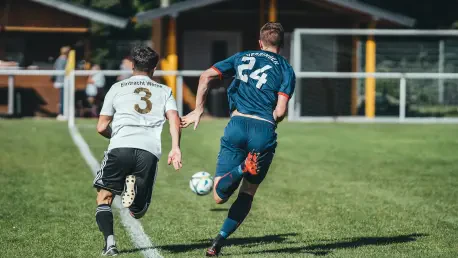

The systemic inequality inherent in American youth sports has long created a divide where athletic opportunity is often determined by a family’s zip code rather than a child’s natural talent or interest. This barrier is being challenged by a strategic collaboration between BSN SPORTS and the U.S. Soccer Foundation, which represents a significant milestone in the effort to standardize athletic education across K-12 schools in the United States. By launching a comprehensive, no-cost soccer curriculum, these organizations are delivering professional-grade tools directly to physical education teachers and coaches who are often under-resourced. This initiative utilizes a proven methodology to integrate high-quality instruction into the standard school day, ensuring that students develop physically and socially regardless of local budget constraints. This shift represents a move toward the democratization of sports, where every child can experience the benefits of organized play without the burden of excessive costs.
Digital Distribution and Mentorship Strategies
Leveraging Digital Platforms: The OPEN Network
The scalability of this soccer initiative is largely driven by the Online Physical Education Network, a robust digital platform that currently serves a network of over 100,000 educators nationwide. By hosting the full curriculum online, the partners effectively bypass the traditional bureaucratic delays and logistical hurdles that typically hinder the rollout of new school programs. This digital-first strategy allows for the immediate and widespread adoption of standardized training materials, ensuring that even the most remote or underfunded school districts have access to the same elite resources available to private institutions. This accessibility is crucial for maintaining consistency in training quality across diverse geographic regions. Educators can download lesson plans and instructional videos instantaneously, which significantly reduces the preparation time required to implement a new sport. Furthermore, the platform provides a space for community feedback, allowing for real-time updates and refinements to the teaching modules based on teacher experiences.
Mentorship and Life Skills: Beyond the Pitch
While physical skills are central to the program, the curriculum places an equally heavy emphasis on the Coach-Mentor model designed to foster social-emotional learning among participants. This strategy encourages instructors to move beyond traditional coaching by prioritizing essential life skills such as resilience, teamwork, and empathy during every practice session. By focusing on the concept of the Whole Child, the program recognizes that a student’s emotional health and social maturity are just as vital to their long-term success as their physical fitness or academic marks. Coaches are trained to identify moments where students can practice conflict resolution or demonstrate leadership, turning the soccer field into a laboratory for character development. This holistic approach ensures that the impact of the curriculum extends far beyond the final whistle, preparing students for the various challenges they will face in their future careers and personal lives. The integration of these interpersonal skills helps create a supportive environment where students grow.
Curricular Structure and Systemic Benefits
Strategic Skill Development: A Graduated Approach
The curricular structure is organized into age-appropriate modules that evolve alongside the student, starting with fundamental motor skills in elementary school and progressing to complex tactics in high school. These modules are specifically designed to meet the developmental needs of each age group, ensuring that young children focus on coordination and basic movement before being introduced to more demanding drills. As students mature, the curriculum shifts toward advanced passing techniques, defensive positioning, and game-time decision-making. This tiered approach prevents burnout and keeps students engaged by providing achievable challenges at every stage of their athletic journey. Moreover, the program integrates critical health advocacy lessons covering topics such as proper nutrition and the importance of hydration. By embedding these wellness habits into the sports curriculum, the initiative turns the soccer field into a comprehensive classroom for lifelong health, teaching students how to care for their bodies in ways that support athletic performance.
Sustainable Impact: Building Healthier Communities
The implementation of this free soccer curriculum proved to be a transformative step in addressing the historical inequities of the American youth sports landscape. Schools that integrated these professional resources observed a significant uptick in student physical activity and a marked improvement in overall classroom social cohesion. It became evident that when financial barriers were removed, the appetite for organized sports in underserved communities was immense. Moving forward, the success of this model suggested that public-private partnerships were essential for filling the gaps left by traditional educational funding. Actionable strategies for the future included expanding these digital curricula to other sports and ensuring that coach-mentor training remained a central pillar of athletic programs. The collaboration successfully demonstrated that high-quality sports education was not a luxury for the few. By prioritizing the whole child, the program established a sustainable foundation for healthier, more resilient communities that benefited from the lessons learned on the pitch.