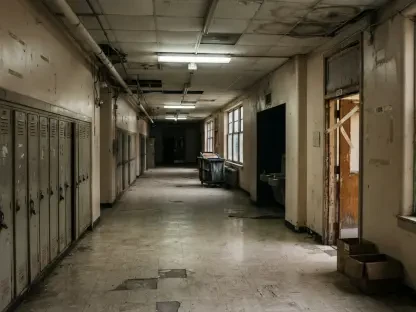

The educational landscape in Bihar is undergoing a monumental shift as the state government enforces rigorous new infrastructure standards that compel private institutions to prioritize student safety and learning environments over profit margins. This directive marks a significant departure from previous years when many private schools operated in cramped, repurposed residential buildings without basic amenities. By 2026, the Department of Education has mandated that every private school must strictly adhere to the Right to Education Act guidelines, focusing on classroom dimensions and fire safety protocols. This move addresses long-standing concerns regarding the rapid proliferation of budget schools that often compromised on ventilation and structural integrity. The government has signaled that non-compliance will no longer be tolerated, emphasizing that the physical environment is as crucial to a child’s development as the curriculum itself. Administrators now face the daunting task of auditing their facilities and investing in necessary upgrades to remain operational in a more regulated market.
Mandatory Safety and Accessibility Standards
Structural Integrity: Building the Foundation
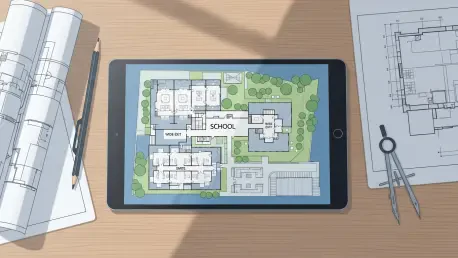
Under the updated regulatory framework, school buildings must undergo comprehensive structural audits conducted by certified engineers to ensure they can withstand seismic activity and provide a safe haven for students. This requirement is particularly critical given Bihar’s geographical vulnerability to flooding and tremors, making the durability of school architecture a non-negotiable priority for state officials. Beyond mere stability, the rules dictate specific classroom-to-student ratios, ensuring that every child has a minimum of ten square feet of space to prevent overcrowding and enhance the overall learning experience. These standards also extend to the quality of building materials used, banning the use of asbestos or inflammable roofing in areas where students congregate. Schools are now required to provide detailed blueprints and certificates of completion before their licenses are renewed, creating a transparent paper trail that holds school owners directly accountable for any future negligence found during the periodic safety reviews.
Essential Amenities: Water and Sanitation
Access to clean drinking water and hygienic sanitation facilities has transitioned from a recommendation to a strictly enforced legal obligation for all private educational entities. Each institution must install water filtration systems that meet national health standards, ensuring that children are protected from waterborne diseases which have historically impacted school attendance in rural districts. Furthermore, the new rules mandate separate, functional toilets for male and female students with a specific focus on maintaining a high ratio of facilities to the total student population. This infrastructure push is designed to improve the retention of female students, who often drop out due to inadequate private facilities. To ensure these systems remain operational, schools must maintain a log of periodic maintenance and cleaning schedules, which are subject to surprise inspections by district education officers. The emphasis on these basic human needs reflects a broader strategy to create a dignified and inclusive environment for every learner.
Regulatory Oversight and Digital Compliance
Administrative Audits: Ensuring Long-Term Stability
The state has introduced a robust oversight mechanism that links infrastructure compliance directly to the school’s legal status and ability to admit new students for upcoming academic cycles. Rather than relying on self-reported data, the government is deploying specialized task forces to verify that libraries, laboratories, and playgrounds actually exist and meet the described dimensions. Schools that fail to provide adequate space for physical education or scientific exploration risk heavy fines or the immediate revocation of their operating permits. This shift toward active enforcement aims to eliminate the disparity between high-end urban schools and their under-resourced counterparts in smaller towns. By creating a level playing field, the administration hopes to drive competition based on quality rather than marketing. These audits are conducted through a standardized rubric that leaves little room for ambiguity, ensuring that every private school, regardless of its tuition fees, provides a baseline of safety.
Future Planning: Sustainable Development Goals
To address the challenges of modernization, the Department of Education facilitated a series of workshops that assisted school owners in transitioning to these new infrastructure mandates. Stakeholders recognized that while the initial financial burden was significant, the long-term benefits for the state’s human capital were undeniable. Authorities established a digital portal where schools uploaded real-time data regarding their facility upgrades, allowing for a more streamlined and transparent monitoring process. These actions resolved several systemic issues related to unregulated urban sprawl and ensured that educational centers functioned as safe, productive spaces for the next generation. Moving forward, the focus shifted toward incorporating solar energy and rainwater harvesting into school designs to foster environmental consciousness among students. This proactive approach paved the way for a more resilient education system that prioritized the holistic well-being of the youth over short-term economic gains.