
The atmosphere at the José Antonio Echeverría Technological University of Havana during the 2025-2026 commencement ceremonies served as a stark reminder of the widening chasm between institutional tradition and the grim reality of a failing economy. While state media celebrated the addition of over 300 new engineers to the national workforce as a victory for the revolutionary educational model, the somber faces of the graduates told a significantly different story. These young professionals, specializing in critical fields such as civil, electrical, and biomedical engineering, are entering a labor market that is fundamentally incapable of absorbing their talents or providing a living wage. The ceremony, often characterized by ideological fervor, struggled to mask the fact that many of these newly minted diplomas are viewed less as certificates of domestic achievement and more as vital visas for a professional life that must inevitably take place elsewhere. This tension defines the modern Cuban academic experience, where success is measured by the ability to leave.
Economic Pressures and the Demographic Shift
The Disparity: Professional Worth Versus Economic Reality
The financial landscape awaiting these graduates is nothing short of catastrophic, with entry-level salaries for engineers hovering around the equivalent of fifteen dollars per month in a market where basic survival costs often exceed two hundred dollars. This staggering disparity has effectively decoupled the value of a high-level technical education from the local economy, forcing professionals to seek alternative means of sustenance long before they even complete their degrees. Consequently, the pursuit of an engineering degree has been transformed into a strategic maneuver aimed at securing the necessary credentials to pass rigorous foreign validation processes rather than a commitment to rebuilding the island’s crumbling infrastructure. For many, the rigorous years of study are not an investment in the national interest but a personal insurance policy against the total collapse of domestic purchasing power. This economic alienation ensures that the most capable minds are looking toward the horizon before they have even started.
The Brain Drain: Exporting Intellectual Capital
The demographic impact of this professional flight is reflected in the massive wave of emigration that has seen over a million citizens leave the island in recent years. This exodus is predominantly composed of individuals in their peak productive years, creating a massive intellectual void that threatens the long-term viability of the nation’s essential services and developmental projects. By providing high-quality technical education to students who then immediately depart for Europe or the United States, the Cuban state is inadvertently subsidizing the skilled workforces of developed nations while its own internal systems deteriorate. This transfer of human capital represents a profound loss of investment, as the resources spent on training these engineers yield no return for the domestic economy. The international community benefits from this influx of talent, while the home country remains trapped in a cycle of training professionals who have no intention of staying to fix the problems they were educated to solve.
Institutional Crisis and Academic Compromise
Infrastructure Collapse: Learning in the Dark
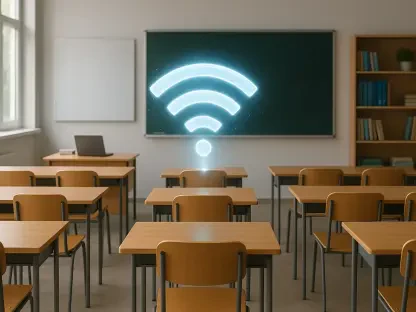
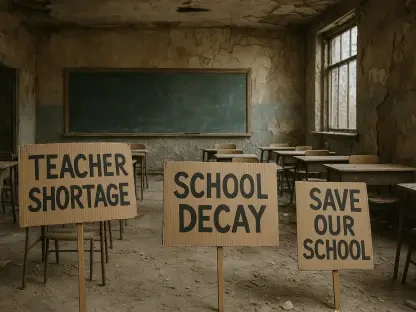
The physical and operational stability of the university system is currently facing an unprecedented crisis, as persistent energy shortages and systemic failures force constant adjustments to the academic calendar. The Ministry of Higher Education has been compelled to implement drastic measures, such as the cancellation of entrance exams and the transition to hybrid learning models, in a desperate attempt to maintain operations amidst frequent blackouts. These power outages, which often last for several consecutive days, make it impossible for students to attend lectures, use laboratory equipment, or access digital resources necessary for modern engineering studies. The shift to remote learning is further hampered by a lack of reliable internet connectivity and the high cost of data, leaving many students in a state of academic limbo. This degradation of the learning environment not only threatens the quality of the degrees produced but also serves as a constant reminder of the deteriorating state of national infrastructure.
Future Implications: Navigating the Technical Void
The landscape of Cuban higher education underwent a fundamental transformation as the traditional goals of academic excellence became secondary to the urgent necessity of professional flight. This period demonstrated that the celebrated CUJAE spirit was no longer about building a nation but about securing the necessary paperwork to escape its collapse. Moving forward, the focus shifted toward establishing more robust international partnerships that could potentially allow for a more balanced exchange of talent, though the primary challenge remained the restoration of domestic viability. Experts emphasized that the only way to stem the tide of emigration was through a comprehensive reform of the national salary structure and a significant investment in modernizing the industrial sector to provide meaningful work. The survival of the nation’s technical capacity depended on creating reasons for engineers to stay, rather than just giving them the tools to leave. Ultimately, the focus transitioned toward practical economic incentives.