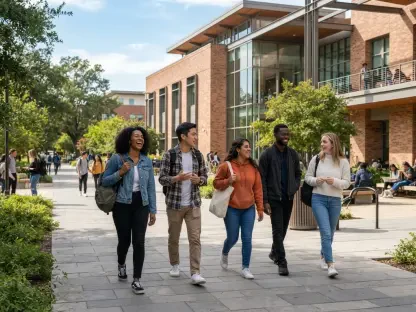

Frustrated parents and students feel that the school district is ignoring established science by maintaining a start time that contributes to systemic sleep debt. In Ann Arbor, high schoolers currently begin their instructional day at 8:00 a.m., a schedule that critics argue is fundamentally misaligned with the biological realities of modern adolescence. As middle and elementary schools follow at 8:15 a.m. and 8:50 a.m., the entire district operates on a timeline that prioritizes administrative convenience over the health of its pupils. For years, the community has seen growing advocacy for a shift toward later starts, yet the Ann Arbor Public Schools Board of Education has remained largely hesitant to enact a policy change. This administrative stagnation has sparked an intense debate among stakeholders who see a clear divide between the proven benefits of more sleep and the complex logistical requirements of a massive public school system. Local activists continue to emphasize that the current framework ignores developmental needs.
The Scientific Foundation for Change
The core of the argument for later start times lies in the biological shift of circadian rhythms that occurs during puberty. Research conducted by experts at the University of Michigan highlights that teenagers naturally experience a delay in melatonin secretion, making it difficult for them to fall asleep before 11:00 p.m. This biological reality means that an 8:00 a.m. start time effectively forces students into a state of permanent sleep deprivation. Professor Andy Jones has famously described this phenomenon as a “constant state of jet lag,” where students spend their weekdays operating in a cognitive fog only to attempt a recovery during the weekends. This cycle is not merely a matter of tiredness; it is a fundamental disruption of the body’s internal clock. When students are forced to wake up during their peak biological sleep period, their ability to process information and manage stress is severely compromised, leading to a long-term deficit in both their physical health and their academic potential.
Data from the district indicates that over 80% of 12th graders in Ann Arbor are currently failing to get the recommended nine to nine-and-a-half hours of sleep per night. The consequences of this shortfall extend far beyond the classroom, manifesting in increased rates of clinical depression, chronic anxiety, and emotional dysregulation. Beyond mental health, the physical risks are equally alarming, with studies linking early start times to a higher frequency of car accidents among teen drivers who are operating vehicles while drowsy. Conversely, districts that have successfully implemented later start times report significant improvements in student attendance, higher graduation rates, and a measurable increase in overall classroom focus. For students like Elijah Morrow, the early morning bell represents more than just a schedule; it is a barrier to information retention. He notes that the first few hours of the day are often lost to exhaustion, making the educational process less efficient.
Logistical and Economic Constraints
Despite the overwhelming scientific evidence, the transition to a later schedule is fraught with practical challenges that the district has struggled to resolve. The most significant hurdle is the complex busing infrastructure required to transport thousands of students across the city. Ann Arbor currently utilizes a multi-tiered busing system where the same fleet of vehicles and drivers serves elementary, middle, and high schools in successive waves. Shifting the high school start time would necessitate a complete overhaul of this delicate balance. Adding more buses or hiring additional drivers would require a substantial increase in the district budget, which is already under scrutiny. Furthermore, moving the school day later would inevitably push extracurricular activities and athletic practices into the evening hours. This shift could limit the amount of daylight available for outdoor sports and reduce the time students have for homework, potentially negating the benefits of more sleep.
There are also significant socioeconomic concerns regarding how a later school day would impact working families and student employment. Many high school students in the Ann Arbor area rely on after-school jobs to support themselves or contribute to their family’s household income. A later dismissal time would reduce the number of hours these students can work each evening, potentially creating financial hardship for vulnerable populations. Additionally, many families rely on older siblings to provide childcare for younger children after school ends. If high schools dismiss later than elementary schools, this informal support system would collapse, forcing parents to seek expensive professional childcare alternatives. While some community members argue that a structured early morning routine prepares students for the rigors of the professional world, the opposition maintains that the economic and logistical costs of change are too high to ignore without a clear, funded plan for implementation.
Strategic Implementation and Future Considerations
The discourse surrounding school schedules in Ann Arbor transitioned from theoretical debate to a search for actionable solutions. Stakeholders recognized that maintaining the status quo was no longer viable given the rising mental health crisis among the youth. To address the impasse, the community investigated the use of advanced routing software to optimize busing tiers without requiring a massive influx of new capital. Pilot programs were suggested to test staggered start times in specific zones before a full-scale rollout. These initiatives aimed to provide empirical evidence on how a shift would affect local traffic patterns and student employment. By focusing on data-driven adjustments rather than total systemic overhauls, the district found a middle ground that respected both the biological needs of the students and the economic realities of their families. This approach allowed for a more nuanced transition that mitigated the risks to extracurricular schedules.
Moving forward, the district prioritized the integration of mental health support with scheduling reforms to maximize student well-being. Educational leaders looked at successful models from peer districts that utilized hybrid learning modules to offer flexibility for students with work commitments. This evolved into a broader strategy where the school day was no longer viewed as a rigid block, but as a flexible period that could accommodate different life circumstances. The conversation shifted toward long-term outcomes, focusing on how a well-rested student body contributes to a more vibrant and productive community. By adopting a phased implementation plan, Ann Arbor sought to lead the region in educational innovation. The ultimate goal remained the creation of an environment where academic excellence and physical health were no longer in competition. Through continued collaboration and technological investment, the district paved the way for a more sustainable and scientifically sound educational future.