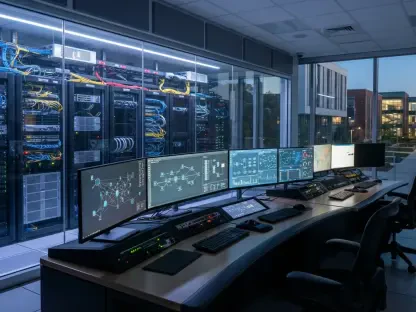

The move toward AI-driven tutoring necessitates a strict adherence to cybersecurity protocols to ensure that personal student information remains protected. As Generation Z moves deeper into higher education and the professional world, their reliance on digital-first solutions has transformed from a convenience into a fundamental expectation for academic success. Recent market research indicates that this demographic, having matured alongside the rapid evolution of generative models and immersive interfaces, now views the traditional lecture hall as an outdated relic. Over the past five years, the integration of specialized software into daily curricula has set a precedent that students are unwilling to abandon. Instead of passive consumption, these learners demand interactive, 24/7 support systems that adapt to their specific cognitive needs. This shift represents a profound change in how knowledge is transferred and validated in a world where information is ubiquitous but often fragmented or unreliable.
The Rise of Personalized Learning Environments
Data from internal market studies suggests a significant divergence between Gen Z and older cohorts regarding the perceived value of automated instruction. While only a small fraction of the general population feels comfortable with machine-led guidance, nearly 18% of Gen Z respondents identify personalized AI tutors as the most promising development in modern schooling. This enthusiasm extends to the use of augmented reality and virtual reality environments, which allow for the visualization of complex concepts that were previously confined to two-dimensional textbooks. By leveraging these technologies, students can engage in simulated laboratories or historical recreations that provide a level of immersion impossible to achieve through standard methods. The appeal lies in the ability to fail safely and iterate quickly, fostering a growth mindset that is essential in the high-stakes academic climate of 2026. This trend highlights a move away from standardized testing and toward mastery learning.
The transition toward tailored educational experiences addresses the longstanding issue of student disengagement caused by fixed-pace instruction. AI-driven platforms analyze individual performance metrics to identify specific knowledge gaps, offering targeted exercises that prevent learners from falling behind. This approach ensures that every student receives the attention they require, regardless of the size of the classroom or the availability of the instructor. As the industry trajectory looks ahead from 2026 to 2028, the scalability of these systems will likely democratize high-quality tutoring, making it accessible to those who previously lacked the financial means for private academic coaching. However, the effectiveness of these tools is predicated on their ability to integrate seamlessly with existing pedagogical frameworks. Educators are increasingly tasked with curating these digital experiences, ensuring that the software supplements rather than distracts from the core learning objectives.
The Essential Balance: Human Guidance and Data Security
Despite the undeniable benefits of automated assistance, academic experts warn against the potential for “cognitive dead-ends” where students become over-reliant on algorithmic solutions. When a machine provides the answer too readily, the learner may bypass the critical struggle required to build long-term retention and analytical depth. It is essential that AI tutors are designed to act as scaffolds rather than crutches, prompting students with questions that lead to discovery rather than simply delivering the final result. Human educators remain the primary safeguard against this intellectual stagnation, providing the nuance and ethical context that current language models cannot fully grasp. The mentor-student relationship is evolving into a partnership where the teacher guides the intellectual journey while the AI manages the administrative tasks. This synergy ensures that students develop the resilience and problem-solving skills necessary for a complex workforce, maintaining technological speed.
The findings from recent educational research established that a successful transition to AI-enhanced classrooms required a balanced hybrid model. This approach combined the precision of personalized technology with the indispensable guidance of human mentors and the protection of advanced cybersecurity protocols. Educational institutions realized that investing in digital infrastructure was only half the battle; the other half involved training both staff and students to navigate the ethical nuances of automated learning. Proactive steps included the adoption of standardized data privacy frameworks and the integration of critical thinking modules specifically designed to challenge AI-generated content. Looking forward, the focus shifted to developing interoperable systems that allowed students to carry their personalized learning data across platforms safely. By prioritizing these security and pedagogical standards, the academic community ensured that the evolution of tutoring remained student-centric.