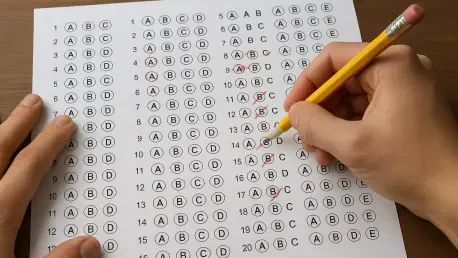
Human graders still manually review approximately one quarter of all STAAR exams to calibrate the machine but districts are demanding even more oversight of the process. This specific development follows the decision by the Texas Education Agency to move toward a hybrid scoring model during the

Recent developments at Innovitaskolan prove that AI can serve as a powerful catalyst for growth when integrated with a focus on digital citizenship and skepticism. While many regions have spent years debating the potential risks of automation in schools, the Swedish educational system has moved

A unified front of parents and teachers is demanding that technology in the classroom be treated as a tool for progress rather than a testing ground for new software. As educational institutions navigate a digital landscape that shifts almost weekly, a clear consensus has emerged regarding the need

The move toward AI-driven tutoring necessitates a strict adherence to cybersecurity protocols to ensure that personal student information remains protected. As Generation Z moves deeper into higher education and the professional world, their reliance on digital-first solutions has transformed from
The seamless integration of sophisticated generative models into the classroom environment has transformed the student from a passive recipient of information into a critical operator of algorithmic systems. This shift represents a fundamental departure from traditional instructional models,

Relying on manual monitoring by overextended staff is no longer a viable strategy for securing the complex digital ecosystems of modern universities. As the academic calendar transitions from the relative quiet of the summer months to the frantic energy of a new semester, information technology