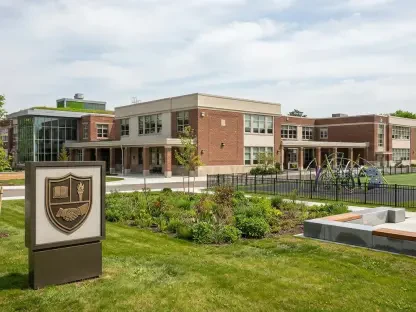

The decision to retain experienced voices in LCSD2 ensures that the unique logistical challenges of rural schools in Burns and Pine Bluffs remain a priority. The general election in Laramie County during November 2026 emerged as a defining moment for the regional educational landscape, signaling a profound desire for stability over disruption. While other parts of the country grappled with polarized school board races, voters in Cheyenne and the surrounding rural areas chose a different path by re-electing a vast majority of incumbents. This decision suggests that the local electorate values the intricate institutional knowledge required to manage the state’s largest school district and its critical community college. By bypassing the push for radical shifts, the community has provided a clear mandate to existing leaders. The results indicate that the public prioritizes the continuity of current programs, infrastructure goals, and administrative policies that have shaped the county’s progress during this cycle.
The Mandate for Continuity
The prevailing trend during the 2026 electoral cycle in Laramie County was the overwhelming success of sitting board members who sought to maintain their positions. This preference for incumbency is not merely a byproduct of name recognition; it reflects a deep-seated trust in the individuals who have successfully navigated the complexities of educational governance. In non-partisan races, where party labels do not provide a shortcut for voter decision-making, personal reputation and demonstrated experience become the primary currency. The electorate recognized that the learning curve for managing multi-million-dollar budgets and state-mandated curriculum standards is steep and often unforgiving. By returning familiar faces to office, voters signaled their belief that the existing leadership is best equipped to handle upcoming fiscal challenges. This localized focus effectively shielded the county from the broader national trend of using school boards as battlegrounds for ideological conflicts.
Public Trust: The Advantage of Incumbency
Institutional memory serves as a vital asset when managing the public interest, particularly in the realm of local education. Voters in Laramie County demonstrated a clear understanding of this principle by opting for continuity in their school board representation. The incumbents who were returned to office have spent the period from 2026 to 2028 planning for long-term growth and demographic shifts within the region. This stability allows for the seamless execution of ongoing initiatives, such as the integration of advanced vocational training and the expansion of digital literacy programs in elementary schools. The community’s decision to bypass unproven challengers suggests that there is a high threshold for change when the current system is perceived to be functioning effectively. This trend of favoring experience ensures that the administrative side of the districts remains focused on student achievement rather than adjusting to a new leadership philosophy.
Beyond the practical benefits of experience, the 2026 results point toward a genuine level of satisfaction with the transparency and responsiveness of the current boards. When school board positions are contested, the debates often highlight the friction between different community factions, yet the Laramie County electorate remained focused on the core mission of academic excellence. The re-election of seasoned trustees provides a sense of security for the teaching staff and administrative personnel, who can continue their work without the threat of sudden shifts in district priorities. This environment of stability is essential for attracting and retaining high-quality educators who seek professional settings characterized by consistent leadership and clear goals. The incumbency advantage in this context is a reflection of a successful partnership between the governing boards and the families they serve, creating a stable foundation for the next several years of local education.
Steady Leadership: Managing the Capital District
Laramie County School District 1 represents the urban heart of Cheyenne and serves as a major engine for the local economy. The complexity of governing a district of this scale requires a board that can balance the needs of diverse neighborhoods while maintaining a unified vision for the future. The 2026 election saw the return of key figures like Marilyn Burden and Rene Hinkle, whose presence on the board provides a historical perspective that is invaluable during times of regional growth. Voters in LCSD1 effectively decided that the current focus on infrastructure modernization and classroom support was the correct path. This mandate allows the district to move forward with the construction and renovation projects scheduled for the 2026 to 2028 timeframe without the risk of administrative delays. The decision to keep these leaders in place reflects a strategic preference for operational efficiency over the uncertainty that comes with a major turnover in governance.
The focus on teacher retention and student wellness has become a cornerstone of the LCSD1 strategy, and the election results confirm that the public supports these priorities. By returning incumbents to their seats, the voters have ensured that the district’s internal mechanics continue to operate smoothly, avoiding the internal friction that often accompanies a shift in board dynamics. This stability is particularly important as the district continues to navigate the complexities of modern educational funding and state accountability measures. The electorate showed a distinct preference for pragmatic leaders who have a proven track record of collaborating with state legislators and local stakeholders. For the families of Cheyenne, this means that the focus remains squarely on the classroom experience and the preparation of students for post-secondary success. The election was a confirmation that the capital district is heading in the right direction under its current stewardship.
Educational Leadership Across the County
While the urban center of Cheyenne receives significant attention, the governance of the rural areas in the eastern part of the county is equally critical for regional success. Laramie County School District 2 faces a unique set of challenges, including the management of small-town school identities and the logistical hurdles of a vast geographical area. The 2026 election results for LCSD2 mirrored the urban trend, with a strong emphasis on maintaining the current board composition. This continuity is essential for protecting the interests of students in communities such as Albin and Pine Bluffs, where schools often serve as the primary cultural and social hub. By choosing to stay the course, the rural electorate has prioritized the preservation of their local schools and the specialized programs that cater to agricultural and vocational interests. This stable leadership ensures that rural voices are not lost in the broader county-wide conversations regarding educational resource allocation and regional policy.
Strategic Stability: Addressing the Needs of Rural Schools
The logistical realities of rural schooling require a nuanced approach to resource management that only comes with time and direct experience. Trustees in LCSD2 must manage everything from complex bus routes to the maintenance of aging facilities across several small communities. The 2026 election results showed that the public trusts the current board to handle these responsibilities with fiscal prudence and sensitivity to local traditions. This support allows the district to maintain its focus on providing a high-quality, personalized education that rivals that of larger urban systems. The incumbents have successfully advocated for the district’s needs at the state level, ensuring that rural students have access to the same technological tools and academic opportunities as their peers in Cheyenne. The decision to retain these experienced leaders provides a level of administrative consistency that is vital for the long-term sustainability of small-town educational institutions.
The preservation of community identity is a key factor in the success of rural school districts, and the LCSD2 Board of Trustees has been a primary advocate for this cause. Voters recognized that the current board members understand the delicate balance between modernized educational standards and the traditional values of the eastern county. This trust was reflected in the ballot box, where candidates with established ties to the community and a history of board service were favored over those promising radical change. This continuity is a strategic asset, as it prevents the district from undergoing unnecessary administrative pivots that could disrupt the educational experience for students. By maintaining a stable leadership team, LCSD2 is better positioned to address the specific economic and social needs of its residents, ensuring that the schools remain a source of pride and opportunity for future generations in the rural regions.
Workforce Development: The Role of Community College Governance
The Laramie County Community College Board of Trustees also saw a significant endorsement of its current trajectory during the 2026 general election. LCCC occupies a unique position in the local economy, acting as a bridge between the K-12 system and the regional labor market. Its success in training the next generation of healthcare professionals, tradespeople, and tech workers is vital for the growth of Southeast Wyoming. The voters’ decision to re-elect incumbents to the LCCC board suggests a high degree of confidence in the college’s ability to adapt to the changing needs of industry. This stability is crucial as the institution moves forward with strategic plans that extend from 2026 to 2029, focusing on campus expansion and the development of new vocational programs. The electorate clearly values the college as a well-managed public asset that provides a tangible return on investment for the community and its students.
Effective governance at LCCC requires a board that can foster strong relationships with local business leaders and regional economic development groups. The incumbent trustees have spent years building these partnerships, ensuring that the college’s curriculum remains aligned with the requirements of the modern workforce. A major shift in board composition could have introduced a period of uncertainty, potentially slowing the progress of collaborative projects in the tech and trades sectors. The 2026 election results reinforced the idea that the public prefers a board with a deep understanding of the college’s strategic role in the region. This mandate for continuity allows the administration to focus on long-term sustainability and the enhancement of student support services. The college remains a central pillar of the county’s economic strategy, and the voters have signaled their desire to see it remain under the guidance of those who have successfully led its recent expansions.
A Forward-Looking Path: Strategic Recommendations
The 2026 election results in Laramie County provided a definitive answer to questions about the community’s vision for its schools and colleges. By choosing continuity, the electorate established a clear mandate for the existing boards to push forward with their strategic plans. For those in leadership, the next logical step was to capitalize on this trust by further strengthening the transparency of their decision-making processes and broadening public outreach. Boards were encouraged to deepen their engagement with the community, ensuring that the steady hand approach remained responsive to emerging local concerns and economic shifts. The preservation of experienced voices meant that institutional knowledge was protected, but it also placed a new responsibility on these leaders to mentor the next generation of potential trustees to ensure a smooth transition in the years ahead.
Future considerations for the county involved balancing this desire for stability with the need for gradual innovation, ensuring the educational system remained competitive on a national scale. The results of the election served as a validation of the current management, yet they also acted as a call to remain proactive in the face of technological and demographic changes. The county’s leadership was tasked with using this period of stability to secure the long-term fiscal health of the districts while continuing to improve student outcomes across all levels. Ultimately, the voters signaled that the current path was the right one for Wyoming’s capital, choosing the reliability of experience over the risks of upheaval. This collective decision fostered an environment where educators and administrators could work with the confidence that their governing bodies remained committed to a consistent and sustainable vision for the future.