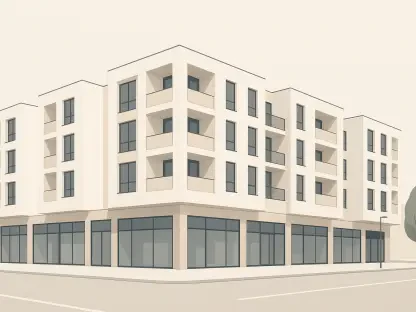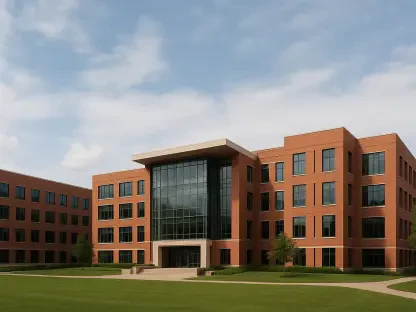

The recent completion of the Southside School District’s newest campus represents a significant departure from traditional architectural norms, prioritizing adaptive learning environments and advanced technological integration over rigid classroom structures. This expansion occurred as educational standards shifted rapidly toward specialized technical training and collaborative project-based learning. Educators and administrators recognized that the previous facilities could no longer support the high-bandwidth requirements of modern software or the physical needs of specialized robotics and engineering programs. By investing in this multi-million dollar complex, the district effectively signaled its commitment to preparing students for a workforce that demands proficiency in digital literacy and creative problem-solving. The facility serves as a hub for both primary and secondary education, blending ages and disciplines in a way that mirrors professional environments today. Moreover, the local economy very much thrived.
Architectural Innovation: Modern Design
Spatial Flexibility: Adaptive Learning
Architectural firms involved in the project utilized a modular framework that allowed interior walls to be reconfigured based on specific instructional needs. This flexibility ensured that a space intended for a standard literature lecture could be transformed into a makerspace for engineering projects within a matter of hours. The inclusion of tiered seating and glass-walled breakout rooms encouraged a culture of transparency and collaboration among students. Instead of isolated hallways, the complex featured open-concept learning commons equipped with ergonomic furniture designed to reduce physical strain during study sessions. These areas were strategically placed to facilitate informal interactions between different grade levels, fostering a sense of mentorship and community. Natural lighting was maximized through floor-to-ceiling windows, which research consistently showed improved student focus and overall mental well-being while reducing the building’s reliance on artificial light systems.
Sustainable Systems: Green Standards
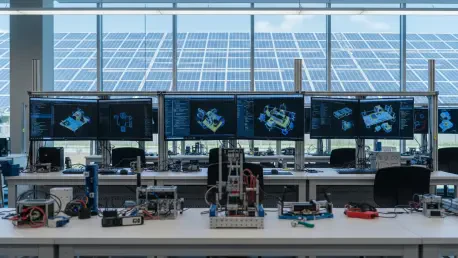
The commitment to sustainability was evident in the selection of LEED-certified materials and the implementation of a sophisticated energy management system that significantly reduced the building’s carbon footprint. Large-scale solar arrays installed on the rooftop provided a substantial portion of the facility’s electricity, while smart sensors adjusted lighting and temperature based on real-time occupancy. Water conservation was prioritized through the use of low-flow fixtures and a sophisticated greywater recycling system that supported the campus’s native landscaping. These green initiatives served a dual purpose: they lowered operational costs for the taxpayers and provided a living laboratory for students to study environmental science and renewable energy in a real-world context. The use of recycled steel and high-efficiency insulation further improved the building’s thermal envelope, ensuring comfort throughout varying seasons while minimizing environmental impacts at the site.
Technological Integration: Digital Infrastructure
Connectivity: High-Speed Networks
Central to the operations of the new facility was a high-capacity fiber-optic backbone capable of supporting thousands of simultaneous high-bandwidth connections without latency. This robust network infrastructure enabled the seamless use of augmented reality and virtual reality tools in daily science and history lessons, allowing students to explore complex biological systems or historical sites in immersive detail. Every classroom was outfitted with interactive displays and wireless casting technology, eliminating the need for cumbersome cables and fixed podiums. Furthermore, the district implemented an integrated learning management system that synchronized with the building’s hardware, providing real-time data on student engagement and resource utilization. Security protocols were also upgraded, featuring biometric access points and an AI-driven monitoring system that could identify potential safety hazards instantly. These layers were designed to be modular to ensure the district’s tech.
Implementation: Final Operational Steps
The administration finalized the transition into the new complex by establishing a comprehensive training program for staff to ensure the full utilization of the available technology. Local government officials worked in tandem with the school board to secure long-term funding for the maintenance of these systems, focusing on a sustainable lifecycle for all hardware. Educational leaders moved quickly to integrate the new laboratory facilities into the core curriculum, placing a heavy emphasis on hands-on technical experience. Community members were invited to participate in evening workshops, turning the school into a center for lifelong learning and digital literacy for all ages. By moving away from static educational models, the Southside School District created a blueprint for future developments in public education. The project successfully addressed immediate overcrowding issues while providing the specialized tools necessary for academic success for the whole region for several years of growth now.