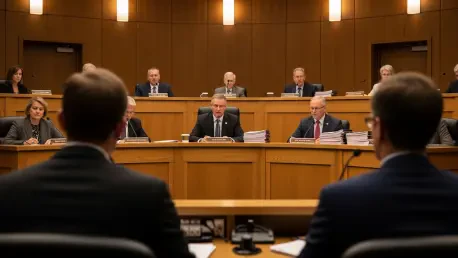

The conflict between the Redlands Unified School District board members and state educational mandates reached a critical fever pitch during the most recent public hearing regarding student confidentiality and the rights of guardians to be informed of their children’s gender identity. This local dispute mirrors a much larger national conversation about the boundaries of state authority versus the fundamental role of families in guiding the upbringing of young students. In Redlands, the atmosphere was charged as community members from various backgrounds gathered to voice their support or opposition to a policy that would require school staff to notify parents if a student requested to change their name or pronouns. The board found itself at a crossroads, navigating the complex intersection of California’s strict privacy protections and a growing local movement demanding greater transparency from public institutions. As the session unfolded, it became clear that the decision would have ripple effects far beyond the district borders, potentially setting a precedent for how individual schools manage the delicate balance of trust between teachers, pupils, and their families.
Legal Protections: State Laws and Local Autonomy
California’s Assembly Bill 1955, which was enacted to prevent forced outing policies in schools, stands at the center of this heated debate, effectively prohibiting school districts from requiring employees to disclose information related to a student’s sexual orientation or gender identity to any other person without the student’s express consent. Proponents of the legislation argue that such measures are vital for protecting vulnerable youth who may face rejection or unsafe environments at home if their identities are revealed prematurely. These advocates emphasize that school should remain a safe harbor where children can explore their identities without fear of repercussion. In contrast, opponents within the Redlands district argue that the state is overstepping its bounds by interfering with the parent-child relationship. Legal experts have noted that the tension between state-level protections and local control continues to create a confusing landscape for administrators who must comply with conflicting directives. The board’s primary challenge lies in interpreting these mandates while minimizing the risk of costly litigation that could divert resources away from core educational programs.
During the discussions, several board members expressed concern that strictly following state mandates might undermine the trust parents place in the school system as a partner in their child’s development. The board examined recent court rulings that have attempted to define the limits of parental rights versus student privacy, noting that the judicial landscape remains largely unsettled on several key points. Some members suggested that a compromise could be reached by focusing on mental health support and counseling rather than a binary choice between notification and silence. However, the prevailing sentiment among many in the room was that the issue is inherently ideological, making a consensus difficult to achieve. The district’s legal counsel advised the board that any policy adopted must carefully navigate the Safety Act to avoid immediate intervention from the state attorney general’s office. This legal pressure has forced the Redlands board to consider not only the immediate needs of their local constituents but also the broader implications of challenging a state law that carries significant enforcement power and the potential for losing state funding if found in non-compliance.
Community Conflict: Privacy Rights and Parental Roles
Parents attending the meeting frequently cited the importance of transparency, arguing that they cannot effectively support their children if the school system actively withholds vital information about their mental or social health. Many speakers voiced the belief that the family unit should be the primary source of guidance for children and that keeping parents in the dark regarding gender identity changes is a violation of fundamental parental rights. These community members expressed frustration with what they perceive as a growing gap between public school curriculum and traditional family values. They argued that by excluding parents from such significant life developments, schools are creating an unnecessary barrier that can damage the long-term relationship between children and their guardians. The testimony included personal anecdotes from families who felt that they were being pushed to the periphery of their children’s education. These narratives highlighted a deep-seated distrust of administrative policies that appear to favor state-driven social agendas over localized, family-oriented communication. The recurring theme was a demand for accountability and a return to policies that prioritize parental involvement in all aspects of a student’s well-being.
The Redlands school board eventually moved toward a framework that emphasized the necessity of individualized support plans rather than a blanket notification requirement, aiming to satisfy both legal mandates and community concerns. This approach focused on enhancing the role of school counselors as mediators who could facilitate healthy communication between students and their families when it was deemed safe and appropriate to do so. Educators recommended that the district invested in comprehensive training for staff to better identify when a student required additional resources or protection. By shifting the focus from a rigid notification policy to a wellness-centered strategy, the district sought to depoliticize the issue and returned the emphasis to the student’s success. Moving forward, stakeholders considered the establishment of a permanent advisory committee composed of parents, students, and mental health professionals to review privacy policies on an annual basis. Such a body provided a platform for continuous dialogue, ensuring that the district remained responsive to changing social dynamics while strictly adhering to the legal requirements of the state. This collaborative model offered a potential path toward rebuilding trust within the community and ensured that the rights of all parties were respected in an increasingly complex educational environment.