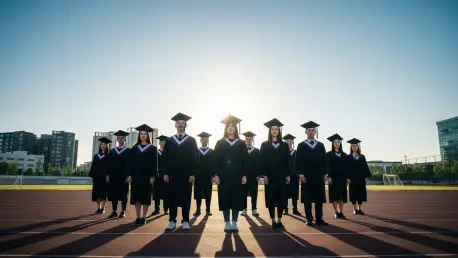

The vibrant atmosphere at the Natick High School athletic fields reached a crescendo as hundreds of families gathered to celebrate the academic and personal achievements of the graduating class. While traditional ceremonies often focus on the conclusion of a chapter, this year’s commencement emphasized the beginning of a demanding yet rewarding journey into an increasingly complex global environment. The graduates were not just handed diplomas; they were issued a challenge to carry the specific brand of resilience they developed during their formative years into their future endeavors. This collective identity, forged through a mix of academic standards and a shifting social landscape, has defined the students as a cohort capable of enduring significant pressure. Administrators pointed out that the ability to persevere when faced with ambiguity is the most valuable asset these young adults possess. This spirit of determination serves as the primary foundation for upcoming transitions.
Resilience in a Rapidly Evolving Educational Landscape
Throughout their tenure at Natick High School, these students encountered a curriculum that was constantly being redefined by the emergence of sophisticated artificial intelligence and digital collaboration platforms. Navigating these tools required more than just technical proficiency; it demanded a critical mindset and the grit to solve problems that did not have established blueprints. Rather than simply consuming information, the Class of 2026 learned to synthesize data while maintaining their own unique voices in an era where automation is becoming the standard. This adaptation was not always seamless, as the pressure to remain competitive often led to moments of intense stress. However, the faculty observed that the students who succeeded were those who viewed setbacks as data points rather than failures. By embracing a growth mindset, the graduates transformed their classroom experiences into a laboratory for character development and strategic thinking in a fast-paced global world.
Beyond the confines of the classroom, the school’s athletic and arts programs provided a secondary arena for testing the limits of endurance and commitment. Participation in these activities during the years from 2026 to 2028 will likely reflect the same dedication seen on the fields and stages today. Student-athletes and performers learned the importance of showing up consistently, even when immediate rewards were not apparent or when internal competition was fierce. These experiences underscored the reality that leadership is often found in the quiet moments of preparation rather than the public displays of success. Coaches and mentors highlighted how the class consistently supported one another through injuries and losses, fostering a community of mutual respect. This communal grit proved essential for maintaining morale and ensuring that the class remained unified. Such interpersonal skills are now recognized as essential components of professional success in the modern digital economy.
Empowering the Next Generation of Global Leaders
Keynote addresses during the ceremony shifted the focus toward the ethical responsibilities that accompany leadership in a decentralized and digitalized society. Speakers urged the graduates to use their newfound influence to address systemic challenges ranging from environmental sustainability to the ethical deployment of new technologies. Leadership was described as an active choice to prioritize the common good over individual gain, a concept that resonates deeply with a generation that has grown up with immediate access to global crises. The Class of 2026 was encouraged to remain curious and to never stop asking the difficult questions that lead to genuine innovation. By leveraging their education, they have the opportunity to become architects of a more equitable future. This transition from being students to being contributors requires a departure from passive learning toward proactive engagement. The graduation served as a formal acknowledgment that these individuals are now the primary drivers of progress.
The event concluded with a clear directive for the graduates to implement a structured approach to their personal and professional development over the next few years. They were advised to seek out diverse mentorship opportunities and to remain open to non-linear career paths that prioritize skills acquisition over traditional job titles. Educational leaders suggested that the immediate focus should involve identifying specific industries where their unique perspectives on technology could make the most impact. This proactive stance allowed the graduates to move beyond the excitement of the ceremony into a phase of intentional planning and execution. By establishing measurable goals for the period between 2026 and 2030, the alumni positioned themselves to navigate the uncertainties of the labor market with confidence. The community provided resources for ongoing networking, ensuring that bonds remained a source of strength as these individuals began to lead with integrity and with a persistent sense of grit.