
The safety of millions of students across Delhi has become a top priority as urban centers face evolving challenges related to physical security and emotional well-being within educational institutions. Ensuring that every child returns home safely involves a multi-layered strategy that integrates state-of-the-art technology with rigorous administrative oversight. Recently, the Delhi Directorate of Education mandated a comprehensive overhaul of safety protocols, focusing on both the infrastructure of school buildings and the vetting processes for all staff members. This shift represents a move toward proactive prevention rather than reactive measures, recognizing that a secure environment is fundamental to effective learning. By establishing clear accountability frameworks, the city aims to create a protective bubble around its schools, addressing concerns ranging from campus trespassing to the internal conduct of employees. The current initiative underscores a commitment to modernization, leveraging digital tools to bridge oversight gaps while fostering a permanent culture of vigilance.
Integrating Advanced Surveillance: The Digital Shield
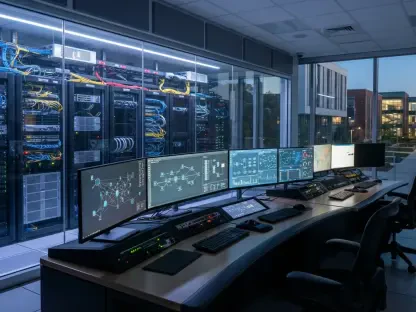
The implementation of high-definition closed-circuit television cameras across all school corridors and entrance points has provided a foundational layer of security. These systems are no longer passive recording devices but are often integrated with artificial intelligence capable of flagging unusual movements or unauthorized entry in real-time. School administrators now have the ability to monitor live feeds from centralized dashboards, ensuring that no blind spots remain within the campus perimeter. This technological deployment extends beyond the physical walls of the school to include the transportation networks that ferry students daily. GPS tracking systems have become standard in school buses, allowing parents and school authorities to monitor the precise location of vehicles through dedicated mobile applications. These apps also provide notifications when a child boards or deboards, significantly reducing the anxiety associated with the daily commute. Such tracking ensures that transit remains a controlled part of the day.
Furthermore, digital visitor management systems have replaced traditional paper logs at school gates to enhance the vetting of anyone entering the premises. Visitors must now present government-issued identification which is scanned and cross-referenced with internal databases before a temporary digital pass is issued. This system automatically records the time of entry and exit, creating a permanent digital trail that can be audited at any moment. To supplement these hardware solutions, schools are increasingly adopting facial recognition technology at main access points to ensure that only registered students and staff can gain entry during peak hours. While privacy remains a critical consideration, the focus has stayed on using these tools to prevent external threats and manage high-density foot traffic effectively. The integration of these various technologies creates a sophisticated mesh of digital protection that operates silently in the background, freeing up security personnel to focus on active patrolling and rapid response on the ground.
Institutional Accountability: Beyond Physical Infrastructure
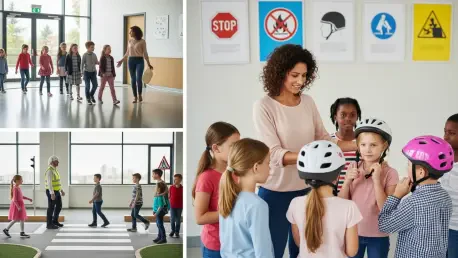
Beyond technical hardware, the human element of school safety has undergone a rigorous transformation through updated hiring practices and mandatory background checks. Every individual working within the school ecosystem, including teaching staff and bus drivers, must now undergo a thorough police verification process before their employment is finalized. This requirement is non-negotiable and must be renewed periodically to ensure that any recent legal infractions are captured. Additionally, the Directorate of Education has standardized a code of conduct that strictly defines permissible interactions between staff and students, leaving no room for ambiguity. Training programs have been launched to help staff recognize the early signs of bullying or distress among students, empowering them to intervene before a situation escalates. These psychological safeguards are viewed as just as critical as physical locks. By holding every adult on campus to a higher standard of professional ethics, schools are fostering an environment of transparency.
The creation of specialized Child Safety Committees in every institution has decentralized the responsibility of oversight, ensuring that safety is a collective effort. These committees are comprised of teachers, parents, and administrative staff who meet regularly to audit safety measures and identify potential vulnerabilities. They are tasked with conducting monthly inspections of school infrastructure, checking everything from fire safety equipment to the integrity of boundary walls. This localized approach allows for quick fixes to minor issues that might otherwise be overlooked by a centralized authority. Moreover, schools have introduced anonymous reporting mechanisms where students can voice concerns about their safety or the behavior of others without fear of retaliation. These digital portals have proven effective in uncovering peer-to-peer conflicts early on. By involving parents directly in the safety process, schools have built a stronger bridge with the community, ensuring that protective measures remain dynamic.
Stakeholders recognized that the evolution of school safety required a transition from isolated physical upgrades to a fully integrated emotional and digital security network. Moving forward, the emphasis shifted toward incorporating mental health resources as a core component of the safety framework, acknowledging that a student’s internal state was vital to their overall well-being. Schools began hiring dedicated counselors trained in crisis intervention to provide immediate support and long-term guidance. The city also implemented a comprehensive cybersecurity curriculum to protect students from the rising threats of the online world, ensuring they possessed the digital literacy needed to navigate social media safely. Policies were updated to include regular workshops for parents, teaching them how to maintain a secure environment at home and recognize changes in their child’s behavior. By prioritizing a holistic approach, authorities ensured that safety measures addressed both physical and psychological risks, creating a resilient system for the future.