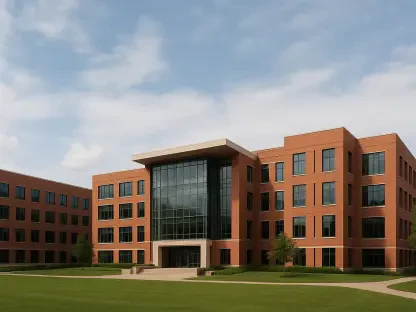

The MentorSEAS program utilizes scavenger hunts and building tours to help over 1,800 new Bruins establish interpersonal connections that define their professional community. This massive intake for the 2026-27 academic year represents a diverse cross-section of the next generation of innovators, including 700 graduate candidates and over 1,100 undergraduate first-year and transfer students. Gathered at the iconic Court of Sciences, these incoming scholars were welcomed through a series of meticulously planned orientation events orchestrated by the Office of Academic and Student Affairs. The collaboration between the Engineering Graduate Student Association and the undergraduate equivalent ensured that the transition was not merely administrative but deeply social. By bringing together students from various backgrounds, the school set a clear tone: engineering is not a solitary pursuit but a shared journey that requires a robust and well-integrated support network from day one.
The Integration of Shared Problem Solving
Dean Ah-Hyung “Alissa” Park set a compelling vision for the incoming class by redefining the expectations of a modern engineer. She articulated that while technical proficiency remains a cornerstone, the ability to operate within multidisciplinary teams is what truly drives progress in the face of global grand challenges. The complexity of contemporary technological issues—ranging from sustainable energy systems to advanced biotechnology—is far too great for any individual to tackle in isolation. Consequently, the curriculum at UCLA Samueli is designed to encourage students to look beyond their specific majors and seek expertise in adjacent fields. This strategy forces students to refine their communication skills and learn how to ask the right questions, which is often more critical than having an immediate answer. By emphasizing this mindset, the leadership ensures that the academic environment mirrors the professional reality of the 2026 high-tech industry landscape.
Moving beyond theoretical frameworks, the school emphasizes the practical application of collaborative engineering through early immersion in research and industry-led projects. This transition is exemplified by the way undergraduate students are integrated into high-level faculty laboratories. For instance, Dean Park’s own laboratory currently includes five undergraduate researchers, demonstrating a tangible commitment to breaking down the traditional hierarchy between seasoned faculty and new students. Such initiatives allow students like Cristobal Sauceda to move past the pursuit of high grades and focus on delivering real-world solutions that address tangible societal needs. The inclusion of industry-sponsored capstone projects further bridges the gap, providing a safe yet rigorous space to fail and iterate alongside professional mentors. This hands-on approach ensures that by the time these students graduate, they are not just engineers on paper but proven leaders.
Creating a Foundation for Inclusive Excellence
A critical component of building a collaborative culture involves the intentional design of an inclusive environment where every student feels they belong. Associate Dean Veronica Santos highlighted that excellence cannot be achieved without diversity, pointing to established institutional pillars such as the Center for Excellence in Engineering and Diversity and the Women in Engineering program. These specialized initiatives provide more than just academic tutoring; they offer a sense of community that acts as a safeguard against the isolation often felt in rigorous STEM programs. By fostering a diverse talent pool, the school ensures that a wider range of perspectives is brought to the brainstorming table, leading to more creative and effective engineering solutions. This infrastructure is vital for maintaining the mental well-being of the student body while simultaneously preparing them for a global workforce that values cultural competency and social responsibility.
The interpersonal aspect of this culture is reinforced by the active encouragement of peer-to-peer support, as urged by Associate Dean Rick Wesel. The philosophy of “lifting each other up” is not just a motivational slogan but a strategic directive aimed at creating a resilient professional network. During the initial weeks of the academic year, students are encouraged to form bonds that transcend the classroom, establishing patterns of mutual assistance that often persist throughout their entire careers. This social cohesion is particularly important during high-stress periods, such as finals or project deadlines, where a collaborative rather than competitive atmosphere can significantly improve outcomes. By prioritizing these interpersonal dynamics, the school prevents the “burnout” culture that sometimes plagues top-tier engineering institutions. The goal is to cultivate a community where success is viewed as a collective achievement, and where everyone is motivated to help their peers.
Building Long-Term Affinity Through Student Engagement
The orientation events effectively utilized the Engineering Exploration Fair to connect new arrivals with dozens of student-led organizations, such as the Society of LatinX Engineers and Scientists. These groups served as essential platforms for cultural and professional affinity, allowing students to find niches where they could lead and grow outside of the lecture hall. By the conclusion of these festivities, the freshman and graduate cohorts had already begun the process of transforming from a collection of individuals into a unified body of Bruins. Looking forward, the success of this collaborative culture will depend on the continued engagement of students in these interdisciplinary spaces. Academic success in 2026 requires a proactive approach to networking, where students treat their peers as future partners in innovation. The school’s strategy proved that when institutional support meets student initiative, the result is an ecosystem capable of solving global issues.