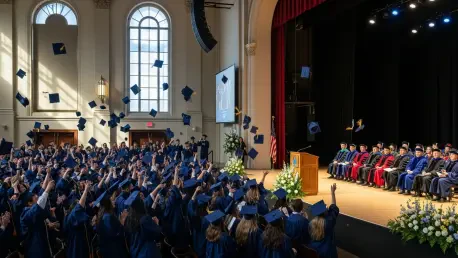

The visual transformation of a university campus into a prestigious ceremonial venue requires an orchestrated effort that transcends the boundaries of standard institutional maintenance. At Elon University, this metamorphosis is not merely about tidying up the grounds; it represents a comprehensive logistical and aesthetic overhaul designed to provide a world-class experience for thousands of graduating students and their families. This transition from year-round upkeep to an intensive “big push” begins several weeks prior to the event, necessitating a highly choreographed collaboration between landscaping, facilities, and utility teams. The primary objective is to guarantee that the physical environment is both safe for the influx of guests and visually impeccable for the iconic photographs that define a lifetime of academic achievement. By meticulously managing everything from the health of individual flora to the resilience of the local electrical grid, the university ensures a seamless backdrop for this major life milestone.
Enhancing the Physical Environment
Aesthetic Refinement and Outdoor Readiness
The pursuit of visual perfection falls heavily upon the shoulders of the landscaping and groundskeeping teams, who shift their operational focus toward fine-grained details approximately one month before graduation. This critical period involves a departure from routine mowing and edging to a more nuanced approach, which includes the meticulous cleaning of flower beds, precise pruning of ornamental shrubs, and the aggressive removal of invasive weeds. Such efforts are vital because the campus must withstand significant foot traffic while remaining camera-ready from every conceivable angle. A defining element of this aesthetic strategy is the maintenance of annual flower beds—dynamic, rotating displays that are redesigned and replanted each year to serve as central visual focal points. These beds are not just decorative; they are engineered to thrive during the specific window of the ceremony, requiring constant hydration and nutrient management to maintain their vibrancy under the glare of the May sun.
As the final week before commencement approaches, the pace of work accelerates into a phase of rapid execution aimed at preparing massive outdoor gathering spaces for high-profile events. Team members direct their expertise toward tree canopy maintenance and the specific spatial layout of ceremonial sites, ensuring that the environment can accommodate large crowds without sacrificing the natural beauty of the historic oak groves. This balance between utility and preservation is achieved through careful planning of seating charts and pedestrian pathways that avoid damaging the sensitive root systems of the campus’s storied timber. Every path, bench, and temporary seating area is scrutinized to ensure it reflects the high standards of craftsmanship expected by the university community. This level of preparation ensures that the physical surroundings do not just house the event but actively contribute to the sense of occasion, providing a polished and dignified stage that honors the academic journey of the departing seniors.
Horticultural Precision and Environmental Sustainability
The grounds crew must also navigate the complexities of environmental sustainability while striving for an idealized version of nature during the commencement season. This involves implementing advanced irrigation technologies that allow for precise water delivery to the annual beds and expansive lawns, ensuring that the campus remains lush even if the local climate presents unexpected dry spells. The team utilizes organic mulching techniques and integrated pest management to keep the flora healthy without the excessive use of harsh chemicals, which is a priority for an institution committed to ecological stewardship. By maintaining this balance, the university demonstrates its dedication to creating an environment that is as healthy as it is beautiful. The work is physically demanding and requires a high degree of technical knowledge, particularly when managing the diverse species of plants that populate the campus, each with its own specific requirements for blooming at the exact right moment.
Beyond the immediate visual impact, the structural integrity of the outdoor venues is a primary concern for the grounds management team. They conduct thorough inspections of all paved surfaces, stone walls, and outdoor furniture to identify and repair any potential hazards that could affect guest safety. This proactive approach minimizes the risk of trips or falls during the high-traffic periods of the graduation weekend. Furthermore, the coordination of temporary installations, such as stages and sound towers, must be integrated with the existing landscape architecture to avoid any long-term damage to the campus grounds. This careful integration allows for the seamless addition of modern event infrastructure into a traditional collegiate setting, creating a functional harmony that supports the logistical needs of the university while upholding its aesthetic traditions for the benefit of the thousands of attendees.
Ensuring Functional and Operational Success
Infrastructure Integrity and Utility Management
While the landscaping team focuses on the outward appearance of the campus, the utility operations department works behind the scenes to ensure the institutional infrastructure can withstand the immense pressure of thousands of simultaneous users. This effort involves exhaustive walkthroughs of key facilities, such as the Schar Center and the Moseley Center, to confirm that complex HVAC systems, plumbing networks, and electrical setups are fully functional and capable of operating at peak capacity. Engineers and technicians perform stress tests on climate control systems to ensure that indoor venues remain comfortable despite the rising humidity of late spring. This technical readiness is critical; a failure in any of these systems could disrupt the flow of the ceremony and detract from the experience. With a large staff covering specialized trades, the department follows a well-established protocol to manage everything from temporary power for media broadcasts to the eventual “resetting” of the campus.
The logistical coordination extends to the massive undertaking of arranging seating and stage equipment, which requires a synchronized effort from carpentry, moving, and setup crews. In the weeks leading up to the event, these teams transform empty arenas and open lawns into structured environments capable of seating thousands of guests in an orderly fashion. This process is not just about moving furniture; it is a complex exercise in spatial management that must adhere to strict fire codes and accessibility standards. Each chair is aligned with laser-like precision, and every ramp is inspected for stability to ensure that all guests, regardless of their mobility, can participate fully in the celebration. Once the final diploma is handed out and the crowds disperse, these same teams must pivot immediately to the breakdown phase, returning the campus to its standard business configuration so that summer academic sessions and administrative functions can resume without delay.
Strategic Planning and the Human Element
The success of commencement readiness is anchored in a foundation of long-term coordination and strategic planning that begins months in advance. Regular inter-departmental meetings allow leaders from landscaping, utilities, and campus safety to align their schedules and resources, ensuring that no detail is overlooked in the frantic weeks leading up to May. This strategic lifecycle—consisting of planning, action, touch-ups, and breakdown—is a testament to the institution’s operational maturity. By maintaining a clear timeline and open lines of communication, the university avoids the pitfalls of reactive management, allowing for a smooth execution even when faced with staffing shortages or supply chain delays. This organizational discipline ensures that the university’s high standards are met year after year, reinforcing its reputation as a premier destination for higher education and a master of large-scale event management.
Inseparable from the technical and logistical tasks is the deep sense of professional pride and emotional investment felt by the university staff. Many employees view their labor as an essential contribution to the student experience, seeing themselves as the architects of the environment where graduates will celebrate their hard-earned success. There is a profound realization that the polished lawns and perfectly functioning venues serve as the backdrop for the final memories of the graduating class. This human element fosters a unified mission across diverse departments, bridging the gap between mechanical maintenance and the celebratory spirit of the occasion. The staff finds meaning in the cycle of the academic year, and their dedication to the “big push” is driven by a desire to provide the best possible send-off for the students they have supported throughout their four-year journey.
The conclusion of the commencement season served as a catalyst for immediate reflection and the implementation of enhanced operational protocols. Moving forward, the university has identified the integration of smart-campus sensors as a priority to monitor real-time foot traffic and climate conditions during large-scale events, allowing for more responsive utility management. Additionally, the transition toward a zero-waste event model is being expanded, with new partnerships in place to ensure that the massive amounts of temporary materials used during the ceremonies are recycled or repurposed. These initiatives not only improve the efficiency of future graduations but also align the university’s physical operations with its long-term sustainability goals. By treating each ceremony as a learning opportunity, the facilities and grounds teams continue to refine their methods, ensuring that the campus remains a resilient and inspiring environment for every generation of scholars that passes through its gates.