
Recent longitudinal studies conducted within the Midwestern educational landscape indicate that children who master complex social interactions before reaching elementary school age are significantly more likely to succeed in higher education environments. Nebraska has increasingly focused on this developmental phase through statewide initiatives aimed at bolstering social and emotional competence in its youngest residents. The current strategy emphasizes the implementation of the Pyramid Model, a research-based framework designed to support the social-emotional development of young children. This approach seeks to move beyond traditional academic metrics by addressing the behavioral foundations necessary for learning. As educators across the state adopt these practices, the focus shifts toward creating environments where every child feels secure and valued. By prioritizing these skills early on, the state aims to reduce behavioral challenges that often lead to academic delays in later years.
Structural Implementation
Pyramid Framework
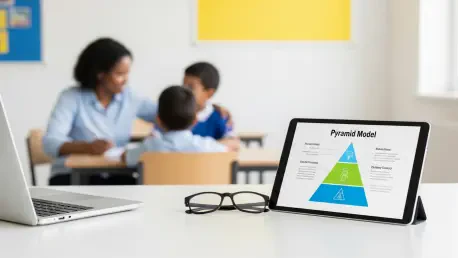
The Pyramid Model serves as the primary architecture for these educational enhancements, offering a tiered system of intervention that tailors support to individual student needs. At the universal level, the framework promotes the establishment of high-quality supportive environments and nurturing relationships for all children, which acts as a preventive measure against common behavioral issues. For students who require more intensive guidance, the secondary tier provides targeted social-emotional supports that help them navigate social cues and resolve conflicts peacefully. This structured hierarchy allows teachers to focus their energy where it is most needed while maintaining a stable classroom atmosphere. By utilizing standardized observation tools, administrators can monitor the fidelity of these practices, ensuring that the intervention remains consistent across different regions. This systematic approach effectively bridges the gap between theoretical research and everyday practice.
Educator Coaching
Significant investments have been directed toward professional development, specifically focusing on a coaching-based model that empowers teachers to implement social-emotional strategies in real-time. Instead of one-off workshops, educators receive ongoing mentorship from specialized consultants who provide feedback during active classroom sessions. This hands-on guidance is vital for translating complex psychological concepts into daily routines, such as morning meetings or structured play. Coaches help teachers identify the underlying causes of challenging behaviors, allowing them to address needs rather than simply reacting to outbursts. This shift in perspective reduces teacher burnout and fosters a more positive workplace culture, as staff feel better equipped to handle diverse student dynamics. Furthermore, the collaboration between state agencies and local childcare providers ensures that these training resources are accessible to both urban centers and rural communities in the state.
Measuring Success
Data Results
The success of these programs is increasingly measured through sophisticated data collection methods that track both child outcomes and institutional progress. From 2026 to 2028, state officials plan to utilize longitudinal tracking systems to correlate early social-emotional proficiency with later academic achievement and graduation rates. These metrics allow for a more nuanced understanding of which interventions are most effective for specific demographics, facilitating more precise resource allocation in the coming years. For instance, data might reveal a higher need for trauma-informed care in certain districts, prompting a swift pivot in training protocols. By maintaining this rigorous level of oversight, the initiative remains transparent and accountable to taxpayers while demonstrating clear progress toward statewide goals. The use of digital portfolios also allows parents to see tangible evidence of their child’s growth in areas such as empathy and self-regulation in school.
Economic Growth
Investment in early social-emotional skills is widely regarded by economists as a high-yield strategy for regional development, offering substantial returns through reduced spending on remedial education and criminal justice. By fostering a generation of emotionally resilient individuals, the state is essentially investing in its future workforce and social stability. Healthy emotional development reduces the likelihood of substance abuse and chronic unemployment, creating a more robust and productive citizenry. Moreover, the focus on these skills supports the mental health of families by providing parents with the tools they need to navigate challenging developmental stages at home. This holistic approach recognizes that a child’s environment extends far beyond the classroom, necessitating a cohesive strategy that involves entire communities. As the program matures, its influence is expected to permeate other sectors, including healthcare and private industry, across the entire Nebraska region.
Policy Progress
The integration of comprehensive social-emotional training across Nebraska’s early childhood landscape established a new standard for educational excellence. Stakeholders identified key areas where local partnerships could further enhance the delivery of mental health resources, ensuring that no child fell through the cracks during critical developmental windows. State leaders moved to codify these successful practices into permanent legislation, which provided a stable funding stream for the continued training of specialized coaches. Future considerations involved the adaptation of these models for older age groups to maintain the momentum gained during the preschool years. Community leaders emphasized the importance of maintaining an open dialogue between educators and health professionals to streamline the identification of behavioral needs. By prioritizing the human element of education, the initiative demonstrated that emotional intelligence remained the cornerstone of any thriving and productive society.