
The profound significance of preserving ancestral voices becomes clear every September as communities throughout Australia unite to recognize the vital role of First Nations languages. Indigenous Literacy Day, spearheaded by the Indigenous Literacy Foundation, is not merely a date on the calendar but a nationwide movement dedicated to addressing the educational disparities faced by those living in the most remote regions of the country. This initiative provides a structured platform for students in urban and regional centers to engage with the complex histories and unique narratives of Aboriginal and Torres Strait Islander peoples. By highlighting the hurdles encountered in remote schooling, the event fosters a sense of social responsibility and cultural awareness among the younger generation. The primary objective is to bridge the gap in literacy resources while ensuring that the rich oral traditions and modern stories of Indigenous Australians are celebrated on a national scale through collaborative events.
Exploring the Connection to the Land
The Wisdom of Country and Storytelling
The thematic focus for the current cycle, “Country Is Our Teacher,” effectively shifts the traditional educational paradigm from indoor classrooms to the expansive natural world. In Indigenous frameworks, the land is viewed as an active source of knowledge that provides essential lessons through the shifting of seasons and deep ancestral connections. This perspective encourages students to perceive education as something that extends far beyond the pages of a textbook, rooting it instead in the physical environment and the ecosystem. By adopting this holistic worldview, contemporary classrooms can achieve a more authentic appreciation for First Nations life and the fundamental necessity of maintaining the sacred bond between people and their surroundings. Such an approach demonstrates that learning is an ongoing dialogue with nature, where every plant, animal, and landscape feature serves as a chapter in a much larger, living history book that has been read for tens of thousands of years.
Furthermore, this educational philosophy emphasizes that storytelling is not just entertainment but a critical pedagogical tool used to transmit survival skills and moral values. When students explore the concept of Country as a teacher, they begin to understand how Indigenous communities have successfully managed complex environmental systems through careful observation and the passing down of ecological knowledge. This deep-seated wisdom offers modern society a blueprint for sustainability and a deeper respect for the earth. Integrating these concepts into the national curriculum allows for a broader interpretation of what it means to be literate in the twenty-first century. It suggests that literacy involves the ability to read the land and understand the cultural signals embedded within the environment. This shift in perspective ensures that the cultural heritage of the First Nations remains at the forefront of the national identity, encouraging a more inclusive and environmentally conscious society.
Immersive Multimedia and Linguistic Diversity
A significant component of the recent celebrations involved the release of a high-quality film produced in collaboration with the Sydney Opera House, which transports viewers directly into the heart of the Central Desert. By following the daily lives of two children in the Northern Territory, the production offers an intimate look at the Warlpiri and Arrernte languages as they are naturally spoken by families and respected Elders. This immersive cinematic experience provides students with a rare window into the realities of remote life, showcasing the incredible linguistic diversity that has thrived across the continent for millennia. It underscores the immense value of intergenerational knowledge transfer, proving that ancient traditions are not relics of the past but vibrant, evolving parts of modern existence. Seeing these languages used in a contemporary context helps to dismantle stereotypes and fosters a genuine respect for the intellectual depth of Indigenous cultures.
The film also serves as a vital historical record, capturing the nuances of dialects that are at risk of being lost without active preservation efforts. By presenting these stories through a digital medium, the Indigenous Literacy Foundation reaches a much wider audience, making cultural education accessible to anyone with an internet connection. This digital outreach is crucial for connecting urban youth with their remote peers, creating a sense of shared heritage and mutual understanding. The project highlights how technology can be harnessed to protect and promote traditional knowledge rather than replace it. As students watch the interactions between the children and their Elders, they witness the living link between the past and the future. This visual narrative reinforces the idea that literacy is multifaceted, encompassing spoken word, visual symbols, and the mastery of multiple languages, all of which contribute to the rich tapestry of the Australian cultural landscape.
Engaging Students Through Multimedia and Music
Dynamic Events and Practical Classroom Activities
The energy of the celebration reached its peak with a dynamic livestream event hosted at the Sydney Opera House, featuring prominent authors and ambassadors from the Warakurna Community. This broadcast was not merely a presentation but an interactive experience where the foundation launched new literary works that specifically reflect the lived experiences of remote First Nations people. One notable addition to the collection includes stories that guide readers through the various seasons on ancestral lands, providing a sensory-rich exploration of the environment. Through the integration of music, dance, and oral storytelling, the event encouraged students to become active participants in the learning process. This multi-sensory approach transforms the concept of literacy into an engaging and joyful activity, helping children across the nation develop a personal and emotional connection to the voices and stories of Indigenous communities.
The livestream also functioned as a global classroom, breaking down the geographical barriers that often isolate remote communities from the rest of the country. By featuring real people from the Warakurna Community, the program provided an authentic representation of Indigenous life that resonated deeply with young viewers. This direct engagement is essential for building empathy and understanding, as it allows students to hear directly from those who are living the stories being told. The inclusion of music and dance further enriched the experience, demonstrating that literacy is deeply intertwined with other forms of cultural expression. This holistic approach to education ensures that the message of Indigenous Literacy Day is not just heard but felt, creating a lasting impact on the students’ perceptions of culture and identity. The event successfully demonstrated that when education is entertaining and inclusive, it has the power to inspire a lifelong passion for learning.
Educational Tools for Cultural Engagement
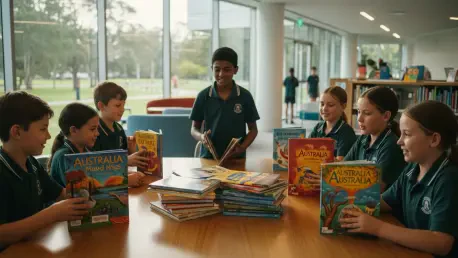
To maintain the momentum generated by the national events, educators were provided with various practical methods to integrate these essential themes into their daily curriculum. One of the most successful initiatives is the “Great Book Swap,” an activity where students exchange their favorite books for a small donation, with all proceeds going toward literacy programs in remote areas. This simple yet effective exercise teaches children the value of sharing and the importance of supporting their peers who may have limited access to culturally relevant reading materials. Another popular option, “Busking For Change,” utilizes the power of music and public performance to help children engage with Indigenous languages in a creative and communal way. These hands-on activities do more than just raise necessary funds; they foster a deep-seated respect for cultural diversity and encourage students to take an active role in social justice efforts.
These classroom activities also serve as a bridge between different communities, encouraging a sense of national solidarity. When students participate in the book swap, they are directly contributing to the creation of a more equitable educational landscape. The funds raised are used to publish books in local languages, ensuring that children in remote areas can see their own lives and cultures reflected in the literature they read. This is a critical step in building self-esteem and encouraging a love for reading among Indigenous youth. Furthermore, these programs provide teachers with the resources they need to discuss complex topics like cultural preservation and social equity in a way that is accessible to younger students. By making these themes a regular part of the school experience, the foundation is helping to raise a generation of Australians who are more informed, empathetic, and committed to the principles of reconciliation and cultural respect.
Promoting Literacy and National Unity
Strengthening Communities and Preserving Identity
Advocates for the program emphasized that these collaborative efforts created a mutually beneficial situation for all participating schools and communities. While students in urban environments improved their own literacy and creative skills through these programs, their contributions directly empowered children in remote regions who often lack access to books that mirror their own realities. This mission remained vital for the survival of Indigenous languages, which are the cornerstones of cultural identity and heritage. Ensuring that every child has the opportunity to see their own culture represented in the stories they consume is a fundamental right that the foundation worked tirelessly to uphold. By making high-quality, culturally appropriate literacy tools accessible to everyone, the initiative helped to fortify the resilience of some of the world’s oldest living cultures, ensuring they remain a central part of the national discourse.
The impact of these efforts extended beyond the classroom, influencing the broader publishing industry and cultural landscape. By prioritizing stories written and illustrated by First Nations people, the foundation helped to create a more diverse and inclusive literary world. This visibility is crucial for challenging existing narratives and providing a more accurate representation of Indigenous life in Australia. When children see their own languages and traditions celebrated on a national stage, it reinforces a sense of pride and belonging. This, in turn, encourages more Indigenous writers and artists to share their stories, creating a virtuous cycle of cultural production and preservation. The work of the foundation demonstrated that literacy is not just about the mechanics of reading and writing, but about the power of storytelling to shape identity and build a more cohesive society.
Strategic Foundations for Future Cultural Advocacy
The successful execution of the recent Indigenous Literacy Day activities provided a clear roadmap for the continued integration of First Nations wisdom into the national educational framework. Policymakers and educational leaders observed that the combination of multimedia content and community-based fundraising created a shared national experience that honored the enduring wisdom of Aboriginal and Torres Strait Islander peoples. Moving forward, it was recommended that schools increase their investment in bilingual resources and establish permanent partnerships with local Indigenous communities to ensure authentic learning experiences. The “Country Is Our Teacher” theme proved that environmental education and cultural literacy could be merged into a single, powerful curriculum that benefited all students regardless of their background. This strategic shift prepared future generations to navigate a world where cultural intelligence and environmental stewardship are increasingly prioritized.
By the conclusion of the event, the national conversation had successfully moved toward a more proactive stance on language preservation and educational equity. Educators utilized the gathered resources to develop long-term projects that continued to celebrate Indigenous voices throughout the entire school year. The collective effort of students, teachers, and ambassadors ensured that the spirit of Country remained a guiding force in the lives of young Australians. This historical focus on literacy as a human right helped to solidify the foundation’s role as a leader in cultural advocacy. The initiatives undertaken served as a reminder that the preservation of language is a shared responsibility that requires ongoing commitment and action. Through these efforts, the nation took a significant step toward a future where every child possesses the tools to share their story and every community has the power to protect its unique cultural heritage.