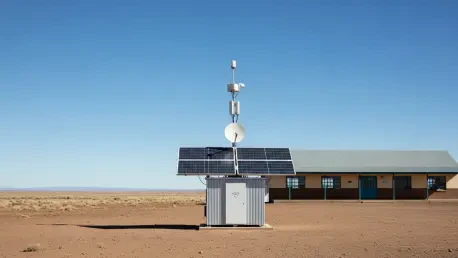

The persistent gap in educational equity is most visible in regions where the absence of a reliable power grid effectively locks out students from the global digital landscape. While urban centers benefit from 5G speeds and consistent electricity, thousands of remote schools remain dependent on kerosene lamps or intermittent generators that disrupt the learning process and limit academic progress. AuroraPH has addressed this disparity by deploying standalone infrastructure units that combine high-efficiency photovoltaic systems with low-earth orbit satellite terminals. This approach allows schools to bypass decades of delayed infrastructure development by leapfrogging directly into the digital age. By installing these systems, the project provides a permanent solution that requires minimal maintenance while offering maximum educational output. The shift from isolation to connectivity represents a fundamental change in how educational resources are distributed across challenging terrains. This initiative proves that technological barriers are surmountable.
Overcoming Barriers Through Sustainable Energy Solutions
Deployment of Specialized Solar Hardware
The technical core of the AuroraPH project relies on the deployment of modular solar arrays specifically engineered for high-humidity and high-temperature environments. These systems utilize bifacial monocrystalline silicon panels that capture sunlight from both sides, maximizing energy yield even in diffuse light conditions common in mountainous or tropical zones. Each installation is paired with a sophisticated lithium iron phosphate battery storage system, which offers a longer lifecycle and higher safety profile compared to traditional lead-acid alternatives. By ensuring a steady supply of 220-volt AC power, the system can support not only classroom lighting and ventilation but also the high-demand hardware required for modern computing. Smart inverters manage the load distribution, prioritizing essential educational devices during the day while storing excess energy for evening literacy programs. This robust hardware foundation ensures that the schools remain operational regardless of the regional power grid.
Sustainable Maintenance and IoT Monitoring
Beyond the initial hardware installation, the project focuses on the long-term resilience of the energy infrastructure through the implementation of remote monitoring systems. Every solar site is equipped with IoT-enabled sensors that transmit real-time data regarding battery health, power consumption, and panel efficiency to a central management platform. This proactive approach allows technicians to identify potential issues before they cause a total system failure, which is critical for schools located several days away from the nearest service center. Local staff are also trained in basic maintenance protocols, such as cleaning the panels and checking connection integrity, which fosters a sense of ownership within the school community. By combining advanced remote diagnostics with local capacity building, the project ensures that the solar microgrids remain functional for the duration of their twenty-year lifespan. The result is a dependable energy source that serves as the backbone for all subsequent technological integrations.
Driving Educational Equity via Global Connectivity
High-Speed Satellite Link Integration
Achieving high-speed internet in geographically isolated regions required a shift away from traditional fiber-optic or microwave relay technologies, which are often hindered by terrain. The AuroraPH initiative utilizes low-earth orbit satellite constellations to deliver low-latency broadband that rivals the performance of urban internet services. This technology is particularly effective because it does not rely on local ground infrastructure, making it immune to the geographic barriers that have historically marginalized rural communities. Each school is equipped with an auto-aligning satellite dish and a ruggedized outdoor router designed to withstand extreme weather conditions. The system provides sufficient bandwidth for simultaneous high-definition video streaming, large file downloads, and real-time collaboration on cloud-based platforms. By eliminating the digital lag that often plagues satellite communications, the project enables a seamless experience that allows students to interact with global content.
Community Empowerment and Future Scalability
The successful implementation of these solar and satellite systems established a new benchmark for how public and private sectors addressed infrastructure gaps in underserved regions. Decision-makers recognized that the modular nature of this technology allowed for rapid deployment that bypassed the logistical hurdles of traditional construction projects. Future strategies involved the creation of specialized investment funds to scale these solutions across even more remote areas, ensuring that no school was left behind in the transition to a digital economy. Policymakers integrated these technological requirements into national education standards, making the presence of renewable energy and internet a mandatory component of school infrastructure. The collaborative effort between technology providers and local communities demonstrated that sustainable development was achievable through precise planning. This model moved the focus toward long-term operational viability, fostering a culture of maintenance. These lessons paved the way for a truly equitable landscape.