
The persistent challenge of maintaining student health in an increasingly sedentary digital age has prompted local San Diego school districts to seek innovative partnerships that transcend traditional physical education models. While national health trends often highlight the growing risks of cardiovascular issues among youth, the collaboration between the National Football League and the American Heart Association provides a robust framework for intervention through the NFL Play 60 initiative. This program is not merely about occasional exercise; it represents a comprehensive effort to integrate sixty minutes of daily physical activity into the lives of children across Southern California. By leveraging the immense cultural influence of professional football and the scientific expertise of the heart health community, these organizations are addressing the root causes of inactivity. The focus remains on creating sustainable environments where movement is encouraged, accessible, and rewarded within the educational system.
Revolutionizing Campus Wellness: Structured Engagement in Schools
Digital Integration: Utilizing Technological Innovation for Tracking
In the current educational landscape of 2026, San Diego schools are increasingly adopting sophisticated digital platforms designed to make physical activity both measurable and engaging for the younger generation. The introduction of synchronized wearable technology and interactive classroom modules allows educators to monitor activity levels in real-time, ensuring that students meet their daily movement goals without feeling the pressure of traditional testing. These tools are often gamified, drawing on the competitive spirit of sports to motivate children who might otherwise shy away from physical exertion. By using data-driven insights, administrators can identify which schools or specific grade levels require additional resources or encouragement to stay active. This shift toward a tech-enabled fitness curriculum ensures that physical health is treated with the same analytical rigor as mathematics or science. The partnership facilitates access to these high-tech resources, bridging the gap between underserved communities and the latest advancements in wellness technology.
Educator Support: Professional Development for Daily Implementation
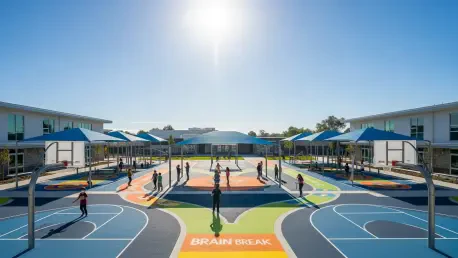
Beyond the hardware and software, the initiative prioritizes the professional development of physical education teachers and general classroom instructors who play a vital role in the daily delivery of these programs. Workshops led by fitness experts and medical professionals provide teachers with the necessary skills to integrate short “brain breaks” and movement-oriented lessons throughout the school day. This holistic approach recognizes that student health is not confined to the gymnasium but is a factor that influences cognitive performance and emotional regulation in every subject. When teachers are equipped with a diverse toolkit of activities, they can adapt to the specific needs of their students, whether through high-intensity interval training or mindfulness and stretching. The result is a more dynamic learning environment where physical activity is seen as a catalyst for academic success rather than a distraction from it. This professional support network ensures that the program remains vibrant and effective, adapting to new challenges and maintaining high levels of student participation.
Building Sustainable Ecosystems: Long-Term Wellness Strategies
Community Outreach: Fostering Support and Family Involvement
The success of the health initiatives in San Diego is significantly bolstered by the active participation of professional athletes and local community leaders who serve as tangible role models for the youth. Large-scale events, such as fitness camps and community health fairs, provide students with the unique opportunity to interact with NFL players, who emphasize the importance of nutrition and consistent exercise. These interactions serve to demystify the lives of elite athletes, showing that their success is built on the foundation of healthy habits established during childhood. Furthermore, the program extends its reach into the homes of students by providing families with resources and guides on how to maintain an active lifestyle during weekends and summer breaks. This community-centric model ensures that the message of wellness is reinforced outside the school gates, creating a culture of health that permeates the entire San Diego region. By engaging the broader community, the partnership creates a support system that encourages long-term lifestyle changes, moving beyond temporary fixes to establish a permanent shift in how student health is prioritized.
Actionable Progress: Expanding Access and Infrastructure
To ensure the continued growth of these initiatives, stakeholders identified clear paths for expanding access to high-quality recreational facilities and nutritional education across all San Diego neighborhoods. The program moved toward a decentralized model that allowed individual schools to tailor health strategies to the specific cultural and socioeconomic contexts of their student bodies. Funding was directed toward the renovation of outdoor spaces and the procurement of modern athletic equipment, ensuring that every child had the physical means to participate safely and effectively. Collaboration between local government and private entities solidified the financial stability of these programs, allowing for long-term planning that stretched several years beyond the present. By focusing on systemic changes and providing actionable toolkits for parents and educators, the initiative successfully laid the groundwork for a healthier generation. This proactive stance demonstrated that when major organizations aligned their goals with local community needs, they produced measurable improvements in public health.