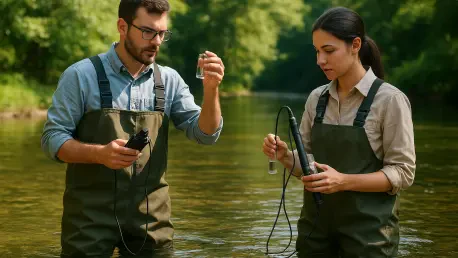

The integration of field-based experiential learning into the biology curriculum ensures that students master technical skills while contributing to real-world conservation efforts. Columbus State University is currently redefining biological education by shifting the primary focus from traditional indoor laboratories to the dynamic ecosystems of Georgia’s natural waterways. The Department of Biology emphasizes a living lab approach, where Master’s students engage in high-stakes research that addresses pressing environmental issues. This hands-on model ensures that academic theory is immediately applied to real-world scenarios, fostering a deeper understanding of ecological systems. By utilizing local assets like the Chattahoochee River, the program bridges the gap between university studies and professional scientific practice. Students are encouraged to step away from their desks and into the field, where they tackle challenges relevant to the community and the region’s health. This pedagogical strategy produces valuable data for the state and equips graduates with technical proficiency.
Protecting Public Health: Aquatic Toxicology Studies
One of the primary research focuses at the university involves monitoring the safety of the local food chain and water supply. Graduate student Amanda Cook investigates the presence of heavy metals, such as lead and magnesium, in fish species like the bluegill and redbreast sunfish. Because the Chattahoochee River is a critical source for drinking water and tourism, her work acts as a vital indicator for public health, helping to determine the impact of contamination on both the ecosystem and the human population. This research is particularly relevant as urbanization continues to influence water quality across the region. By analyzing the accumulation of these substances in tissues, students provide a clear picture of environmental stressors that could otherwise go unnoticed until reaching critical levels. Such studies are essential for local authorities who must balance economic development with environmental safety. The meticulous nature of this data collection serves as a benchmark for future longitudinal studies.
Maintaining Ecosystem Balance: Biodiversity and Native Species
In addition to toxicology, the program prioritizes the preservation of native species through detailed biodiversity studies. Student Aleha Korzen’s research on the snail bullhead catfish fills a significant gap in state records, as this species is often overlooked by recreational anglers. By studying the growth and aging patterns of less common fish, the university provides the Georgia Department of Natural Resources with the essential data needed to maintain a balanced and healthy aquatic community. This specific focus on non-game species is vital because these organisms often serve as the foundation of the aquatic food web. Understanding their population dynamics allows scientists to predict how changes in the environment might ripple through the entire ecosystem. The data generated through these individual projects often finds its way into state-wide management plans, influencing how wildlife populations are protected from habitat loss and climate-related shifts. Documenting these elusive species contributes to Georgia’s natural heritage.
Strategic Agency Alliances: Collaborative Resource Management
The success of these research initiatives relies heavily on strong partnerships with organizations like the Chattahoochee Riverkeeper and the Georgia Department of Natural Resources. These collaborations grant students access to specialized field equipment and professional resources that are typically unavailable in a standard academic setting. This symbiotic relationship allows students to contribute high-quality data to state scientists, which in turn influences environmental policy and conservation efforts across state lines. For example, using electrofishing boats or specialized water sensors provided by partners allows for a level of data precision that matches federal standards. Moreover, these agencies benefit from the consistent, high-level research performed by graduate students, which helps bridge budget gaps in public environmental monitoring. This interaction ensures that the students are not merely simulating scientific work but are functioning as integral members of the state’s environmental protection network.
Professional Development: Networking within Scientific Circles
Beyond data collection, these industry partnerships serve as a powerful networking tool for emerging scientists. By working alongside state experts and environmental advocates, students branch out into their professional circles well before graduation. This immersion reduces the isolation often felt in graduate school and helps students build a robust portfolio of connections, making them highly competitive candidates for government roles, private sector positions, or doctoral programs. The ability to present findings directly to stakeholders at the Department of Natural Resources gives students a head start in navigating the complexities of bureaucratic and scientific communications. Networking in the field allows for organic mentorship opportunities that extend beyond the classroom, providing insights into the day-to-day realities of being a career biologist. These connections often lead to internships and direct employment offers, as students have already proven their value through years of collaborative work.
Technical Mastery: Developing Field-Based Competencies
The curriculum at Columbus State University is designed to produce well-rounded professionals who possess more than just scientific knowledge. Under the guidance of experienced faculty, students develop career-ready competencies that include technical proficiency in field biology and the ability to manage complex datasets. These skills are refined through rigorous fieldwork, where students master the physical demands of identifying, catching, and analyzing specimens in unpredictable environments. Navigating the varying conditions of the Chattahoochee River requires a blend of physical resilience and mental acuity, traits that are highly valued in the environmental consulting and wildlife management sectors. By managing their own projects from hypothesis to final report, students learn the intricacies of project management, budget oversight, and resource allocation. This level of autonomy prepares them for the responsibilities of senior research roles where they must oversee multiple moving parts.
Communication and Leadership: Mentoring the Next Generation
Furthermore, the program emphasizes the importance of communication and leadership. Students are expected to present their findings at regional conferences and public events, such as Tower Day, where they translate technical research into accessible information for the community. This ability to communicate complex biological data to non-expert audiences is a critical skill for any scientist working in public policy or community outreach. Graduate students also take on mentorship roles, supervising undergraduates in the lab and preparing themselves for future responsibilities as project leaders, educators, and senior researchers. By guiding younger students through the nuances of field techniques and data entry, they solidify their own understanding of the scientific method while developing management styles. This hierarchical learning structure fosters a sense of community within the department and ensures a continuous flow of knowledge. These experiences in leadership provide a strong competitive edge.
Applied Science Trends: Shifting the STEM Educational Model
The graduate model at the university reflects a broader trend in STEM education that prioritizes applied research and tangible real-world impact. Faculty members believe that true mastery of biological sciences is achieved through hands-on experience and a commitment to solving local problems. This approach ensures that a graduate degree is not just a credential on paper but a reflection of a student’s ability to contribute meaningfully to the scientific community and the health of the environment. In the current landscape of 2026, the need for scientists who can bridge the gap between laboratory results and field implementation has never been more urgent. By focusing on regional challenges, the university creates a pipeline of experts who are intimately familiar with the local ecology and political landscape. This localized expertise is invaluable for regional planning and environmental conservation efforts that require specific knowledge. Educational models now prioritize these concrete outcomes.
Sustainable Stewardship: Future Considerations for Biology Graduates
As the program reached new milestones, it became clear that the integration of field research and academic rigor served as a blueprint for modern biological training. Future iterations of this curriculum benefited from deeper integrations of artificial intelligence in data modeling and remote sensing technology to monitor river health in real time. Policymakers utilized the findings generated by these students to implement more stringent water quality standards and habitat restoration projects throughout the state. The success of these initiatives proved that universities played a pivotal role in environmental stewardship through the development of highly skilled, community-focused scientists. Moving forward, the expansion of these student-led projects into neighboring watersheds offered a scalable solution for regional environmental monitoring. By prioritizing these immersive experiences, educational institutions ensured that the scientific workforce remained prepared for ecological challenges and established a standard for excellence.