
Teachers at Shannon Elementary report that the combination of humidity and high occupancy makes indoor environments feel significantly hotter than the ambient outdoor temperature. This observation highlights a growing crisis within the West Contra Costa Unified School District (WCCUSD), where aging facilities are increasingly ill-equipped to handle the escalating heat patterns affecting the San Francisco Bay Area. For decades, the region’s schools relied on the natural cooling of the Pacific breeze, but as heat advisories become a routine occurrence rather than a rare anomaly, the lack of modern climate control has transformed classrooms into high-stress environments. The current situation has forced a difficult conversation regarding the intersection of public infrastructure, student health, and the fundamental right to a safe learning environment. Educators and labor representatives are now presenting documented evidence that the district’s existing systems are failing to meet the basic needs of a modern educational setting. As the internal temperatures climb, the focus has shifted from simple comfort to a critical assessment of how systemic neglect and environmental shifts have combined to create a hazardous reality for thousands of children and staff members. This crisis centers on the inability of aging school facilities to regulate internal temperatures during increasingly frequent heat waves, marking a systemic failure to protect the health and academic performance of students.
The Physical Hazards of Unregulated Indoor Climates
The physiological risks associated with extreme indoor heat are particularly acute for younger populations, whose bodies are still developing the mechanisms necessary for effective thermoregulation. At Dover Elementary, the reported consequences of sweltering classrooms have included frequent nosebleeds and instances of severe nausea among students who are trapped in un-air-conditioned rooms for hours. According to clinical insights from the Harvard T.H. Chan School of Public Health, children are significantly more susceptible to heat stress than adults because they maintain higher core body temperatures and often engage in higher levels of physical activity even in suboptimal conditions. When these internal temperatures are not mitigated by mechanical cooling, the body’s ability to acclimate to sudden spikes is severely compromised. This vulnerability is not merely a matter of physical discomfort; it represents a tangible medical threat that can lead to heat exhaustion or even heatstroke if left unaddressed. The recurring nature of these incidents across multiple campuses suggests that the district is facing a public health challenge that exceeds the capacity of its current first-aid protocols or temporary mitigation strategies like the use of industrial fans.
Beyond the immediate symptoms of heat exhaustion, the internal environment of these schools poses a secondary threat to students with chronic underlying health conditions. In communities like Richmond, which are characterized by higher-than-average asthma rates, extreme heat significantly exacerbates respiratory issues for both students and staff. Stagnant, hot air in classrooms, often coupled with poor ventilation, increases the likelihood of asthma-related emergencies during the school day. At Murphy Elementary, educators have observed CO2 monitors reaching “red” levels, indicating dangerous concentrations of carbon dioxide that signal a complete lack of adequate airflow. This combination of high CO2 levels and temperatures reaching the high 80s creates a hazardous atmosphere where even brief exposure can lead to persistent headaches and extreme lethargy. For a student already struggling with respiratory inflammation, these conditions can necessitate medical intervention. The data suggests that the lack of proper ventilation is not just a comfort issue but a critical failure in maintaining an environment that supports basic respiratory safety.
Academic Performance and the Equity Gap
The impact of sweltering classrooms extends deeply into the realm of cognitive performance and academic achievement, creating a barrier to learning that many students cannot overcome. Research documented in the American Economic Journal demonstrates a clear and direct correlation between rising indoor temperatures and declining test scores. Specifically, in schools lacking central air conditioning, student achievement drops as hot days accumulate throughout the academic year. A global study by PLOS Climate supports these findings, noting that cognitive performance begins to decline significantly once indoor temperatures rise above 80 degrees Fahrenheit. The optimal learning environment is generally considered to be around 68 degrees, a figure that is increasingly impossible to reach in buildings without modern HVAC systems. When students are forced to spend their mental energy on physical survival and cooling their bodies, their ability to process complex information, retain new concepts, and perform on standardized assessments is drastically diminished. This thermal stress acts as a silent thief of potential, undermining the instructional hours that teachers work so hard to provide.
For the students of the West Contra Costa Unified School District, many of whom come from lower-income backgrounds, this issue is a matter of profound environmental justice. Students who lack air conditioning in their own homes have no respite from the heat, making the school’s failure to provide a cool environment even more detrimental to their long-term success. When a classroom becomes unbearable, the educational process is often abandoned in favor of a search for “common spaces” such as libraries, band rooms, or cafeteria stages that might offer a few degrees of relief. These makeshift solutions are inherently disruptive to the instructional day and signal a systemic lack of preparedness that disproportionately affects vulnerable populations. The inability to maintain a stable, cool environment reinforces existing socioeconomic disparities, as students in wealthier neighboring districts often attend schools with modern, climate-controlled facilities. The result is a widening achievement gap driven not by a lack of effort from teachers or students, but by the physical deterioration of the buildings where they are expected to work and learn.
Historical Infrastructure Constraints and Maintenance Failures
The root of this crisis is found in the physical age of the district’s facilities, many of which were constructed during the 1960s. During that period, the Bay Area coastal climate was significantly more temperate, and air conditioning was viewed as a luxury rather than a standard requirement for public buildings. However, as climate change increases the frequency and severity of heat advisories—with notable extreme events recorded during the current 2026 cycle—the original design of these structures has become fundamentally obsolete. These buildings were intended to be cooled by cross-ventilation and coastal breezes, a design philosophy that fails entirely when the outdoor air is just as hot as the indoor environment. The heavy concrete and brick materials used in mid-century school construction often act as thermal masses, absorbing heat during the day and radiating it back into the classrooms long after the sun has set. This thermal lag means that even if a morning starts out cool, the building itself remains hot from the previous day’s exposure, creating a compounding heat effect that standard window fans are unable to mitigate.
The crisis is further complicated by a perceived failure in routine maintenance and the mismanagement of existing mechanical systems. An investigation conducted at Ford Elementary revealed that the problem is often not just a lack of equipment, but the poor condition of current hardware. Reports found that MERV 13 air filters, which are essential for maintaining airflow and air quality, were as much as 15 months overdue for replacement. Dirty and clogged filters restrict the movement of air, causing HVAC systems to work harder while providing significantly less cooling power. In many cases, these neglected systems can actually cause the indoor temperature to rise above the outdoor ambient level. Furthermore, the “heat index” inside these rooms—factoring in the humidity and the collective body heat of thirty or more students—frequently exceeds the temperature shown on a standard wall thermostat. This lack of upkeep suggests that even the few schools with cooling capabilities are not operating at a level that protects the occupants, pointing to a need for a total overhaul of how the district approaches facility preservation.
Strategic Solutions and Advocacy for Reform
The United Teachers of Richmond (UTR) has transitioned from providing anecdotal complaints to engaging in data-driven advocacy to force a change in district policy. Union leadership has emphasized that heat-related grievances have been a recurring issue for years, but the severity of the current weather patterns has moved the problem to the top of the priority list. A union-led survey conducted this year revealed that 63 percent of teachers felt their school sites were “barely” prepared for extreme weather events. In response to these findings, the union has identified 24 schools as “high-priority” sites that require immediate infrastructure upgrades to ensure student safety. While the district has entered into a contractual agreement to finalize a temperature remediation plan by 2027, educators argue that this timeline is far too slow given the immediate physical risks posed to the student body. The union is now pushing for a more aggressive schedule that prioritizes the most vulnerable campuses for intervention before the next major heat event occurs.
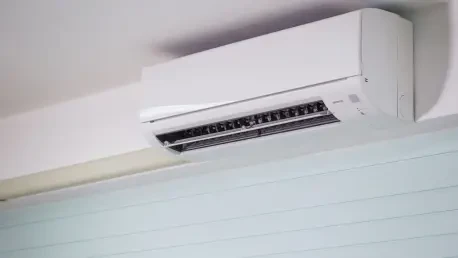
Advocates are currently championing cost-effective, immediate interventions that can bridge the gap between long-term facility planning and the current daily emergency. Instead of waiting for the massive capital expenditure required for district-wide centralized HVAC overhauls, the union is suggesting the installation of portable air conditioners or ductless mini-split systems. These units, which can cost as little as $400 per room, are viewed as a viable short-term solution that provides immediate relief without the need for extensive ductwork or structural modifications. While the district has pointed to its Facilities Master Plan as the primary vehicle for change, teachers and parents have often taken matters into their own hands by purchasing fans and cooling equipment out of their own pockets. The gap between district policy and the classroom reality has created a sense of urgency, with the “OSHA standard” of maintaining indoor temperatures below 76 degrees being routinely ignored as some classrooms hit 87 degrees by mid-morning. The shift toward smaller, modular cooling units represents a pragmatic approach to a problem that can no longer wait for the traditional bureaucratic process to unfold.
A Resilient Path Forward for Educational Facilities
The analysis of the infrastructure crisis within the West Contra Costa Unified School District revealed that a paradigm shift in facility management was essential for long-term viability. It was determined that the most effective remediation involved moving beyond centralized HVAC aspirations to embrace modular, ductless mini-split systems that provided immediate relief to the highest-priority classrooms. Stakeholders recognized that these decentralized solutions offered a more agile response to the unpredictable nature of local heat waves while remaining fiscally responsible in a budget-constrained environment. Furthermore, the district concluded that the integration of environmental sensors for real-time monitoring of CO2 and temperature was a non-negotiable standard for maintaining a safe occupancy environment. This data-driven approach allowed for more precise deployments of maintenance crews and temporary cooling units, ensuring that the limited resources were directed toward the areas of greatest need.
Actionable steps were identified to include the prioritization of the twenty-four most vulnerable sites for rapid-response cooling installations before the next seasonal peak. This approach established a new benchmark for coastal districts, proving that the health of the student body required a proactive abandonment of antiquated building standards that relied on a climate that no longer existed. The district also moved to update its maintenance schedules, ensuring that air filtration systems were treated as critical infrastructure rather than secondary concerns. These assessments provided a blueprint for other districts facing similar climate-driven infrastructure failures, emphasizing that the physical comfort of a classroom was a foundational requirement for academic success. Ultimately, the transition to a climate-resilient educational model was viewed as a necessary investment in both human health and regional academic equity, ensuring that the physical environment no longer hindered the potential of the next generation.