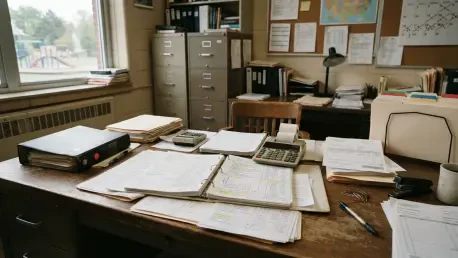

By focusing on unsexy but vital infrastructure projects, Oregon school districts are working to reverse the D plus grade currently assigned to American school facilities. This effort comes at a critical juncture as the state grapples with an aging portfolio of educational buildings, many of which were constructed between 72 and 98 years ago. Compared to the national average of 49 years, Oregon’s facilities have long stood as outliers in terms of structural fatigue and outdated design. In the most recent election cycle, voters across the state recognized this urgency, approving eight out of nine school-related ballot measures. This collective decision authorized hundreds of millions of dollars in new funding, signaling a major shift in public priority toward long-term institutional stability. While one rural district in Harney County saw its $48 million proposal rejected, the overwhelming success elsewhere demonstrated a clear appetite for modernizing the foundational elements of the public school system.
Prioritizing Structural Resilience and Long-Term Stability
Gladstone School District secured a $55.3 million bond, which officials described as a necessary investment in the fundamental skeletal components of their buildings. Instead of prioritizing high-tech gadgets or cosmetic finishes, the district directed these funds toward critical roofing repairs and the replacement of failing plumbing systems. These types of maintenance tasks are often overlooked until they reach a point of catastrophic failure, yet they are essential for keeping schools operational and dry. Similarly, the Hillsboro School District committed more than half of its massive $430 million bond specifically to seismic improvements and basic building updates. This strategic focus ensures that even the oldest structures in the district can withstand potential natural disasters while providing a safe environment for students. By addressing these foundational issues, districts are extending the usable life of historic buildings by several more decades.
The financial strategy behind these bonds relies heavily on the Oregon School Capital Improvement Matching program, which serves as a powerful incentive for local taxpayers. When a community approves a local bond, the state provides additional capital, effectively increasing the purchasing power of every dollar raised locally. For example, Gladstone is set to receive an additional $10.2 million in state funds due to its successful vote, allowing for a broader scope of work than the local bond could cover alone. However, this system also highlights the high stakes of local elections. In Harney County, the rejection of a $48 million bond resulted in the immediate loss of a potential $10.2 million state match. This forfeiture underscores the precarious nature of school funding in regions where economic concerns might outweigh the perceived need for infrastructure renewal. The loss of these state funds often leaves districts with no choice but to continue patching ancient systems at a higher long-term cost.
Specialized Learning and the Evolution of Academic Environments
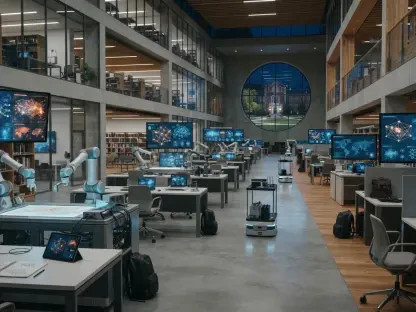
Beyond the essential repairs to roofs and pipes, the recent influx of capital enabled districts to create specialized environments tailored to modern career paths. Hillsboro’s initiative to build a dedicated fire science classroom for emergency services training illustrates how physical space can directly influence vocational education. By creating a simulated professional environment, the district provides students with hands-on experience that mirrors real-world industry standards. Meanwhile, districts like Reynolds used their funding to upgrade athletic facilities, including new turf and bleachers, recognizing that physical education and community events are central to the student experience. In Silver Falls, the approach involved a more radical transformation through a consolidation plan. By replacing several aging, inefficient structures with a unified K-8 school, the district aimed to streamline campus management and reduce the overhead costs associated with maintaining multiple historic sites. These projects represent a move toward more efficient and specialized educational hubs.
The successful passage of these measures established a clear blueprint for how districts managed public expectations through transparency and detailed planning. Local boards successfully demonstrated that well-vetted, affordable plans could overcome voter fatigue regarding property taxes. As these districts moved into the implementation phase, they prioritized rigorous oversight and regular updates to maintain community trust. Educators and administrators focused on integrating the new facilities into broader curricula, ensuring that the physical improvements translated into measurable academic benefits. Moving forward, districts evaluated their long-term maintenance schedules to prevent a return to the “D plus” infrastructure conditions of the past. Officials recommended that other regions adopt similar matching-fund strategies and prioritize seismic resilience as a non-negotiable standard. By securing these investments, Oregon transitioned its aging educational stock into a more functional era, proving that even century-old buildings could be adapted for the rigorous demands of 21st-century learning.