
The recent gathering of the Regional School Unit 73 Board of Directors highlighted a critical juncture for the district as administrators navigate the complexities of maintaining educational excellence amidst shifting personnel dynamics and aging infrastructure. Residents and staff members gathered to hear updates that will fundamentally shape the student experience in the coming years, particularly as the district grapples with the dual pressures of budgetary constraints and the necessity for modernized learning environments. The meeting served as a forum for transparent communication regarding the vacancies that have emerged within the faculty and the strategic plans currently in place to ensure that classrooms remain adequately supported. Beyond the immediate staffing concerns, the board provided a comprehensive overview of the ongoing facility assessments designed to identify high-priority repairs and energy-efficient upgrades across the campus. This proactive approach underscores a commitment to long-term sustainability and the physical safety of both students and educators.
Personnel Management: Strategic Hiring and Resignations
The board officially acknowledged a series of significant staffing shifts, ranging from the departure of long-tenured educators to the recruitment of fresh talent aimed at filling specialized roles within the district. These personnel adjustments are not merely administrative formalities but represent a broader trend of professional transition that requires careful oversight to maintain the continuity of the curriculum. During the session, the Superintendent presented a detailed report on the recent resignations, emphasizing the contributions of those leaving while simultaneously outlining the rigorous vetting process for their successors.
The recruitment strategy now focuses heavily on securing individuals who possess not only the necessary certifications but also a deep understanding of the local community’s unique educational needs. By prioritizing these qualities, the district aims to foster a stable environment where students can thrive despite the inevitable changes that occur within a large academic organization. Maintaining a balanced faculty involves more than just filling vacancies; it requires an intentional effort to support existing staff through professional development and wellness initiatives designed to reduce burnout.
Professional Development: Supporting Long-Term Faculty Retention
The board discussed the implementation of mentorship programs that pair veteran teachers with newcomers to facilitate a smoother integration into the district’s specific cultural and instructional frameworks. Such initiatives are particularly vital in departments experiencing higher turnover rates, as they provide a safety net that preserves institutional knowledge and teaching standards. Furthermore, the discussion touched upon the competitive nature of the current labor market for educators, noting that the district must remain proactive in offering attractive benefits and a supportive work culture to retain high-quality talent.
This strategic focus on retention serves as a hedge against the disruptive nature of frequent staff changes, ensuring that the primary focus remains on student achievement and the delivery of a robust, well-rounded education across all grade levels. Board members emphasized that stability in leadership and teaching positions directly correlates with improved student outcomes. By investing in the existing workforce, the district aims to create a legacy of excellence that persists through future generational shifts and evolving academic requirements, ensuring that every student has access to experienced and dedicated mentors.
Facility Maintenance: Prioritizing Infrastructure and Safety Upgrades
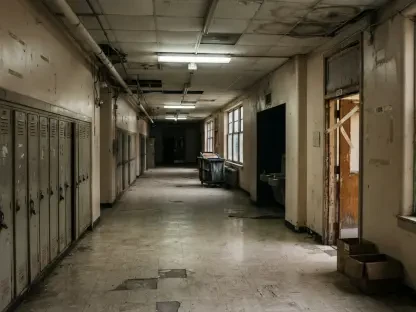
The administration finalized the bidding process for the upcoming facility repairs and accelerated the onboarding of new faculty members before the next academic quarter began. Engineers provided data indicating that the replacement of aging HVAC units would lead to significant long-term savings in energy costs, allowing those funds to be redirected toward classroom resources. The board prioritized these safety enhancements, such as improved lighting and secure entry systems, as essential components of the broader infrastructure plan to ensure that students could continue their learning in a safe and comfortable environment.
Administrators were tasked with developing a five-year roadmap that aligned these facility goals with broader academic objectives, creating a cohesive strategy for growth. By prioritizing transparency and long-term planning, the leadership provided a stable foundation upon which the district could build a more resilient school system. These actions ensured that the district remained prepared for the logistical demands of modern education while staying fiscally responsible. The meeting acted as a catalyst for a renewed focus on both human and physical resources, setting a new standard for proactive governance.