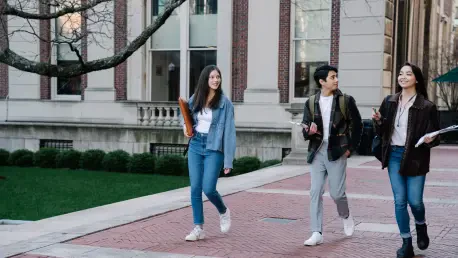

Chief Executive Officer AJ Keene emphasized that a student-led model is essential for establishing a long-term commitment to mental health and well-being within the board. This vision was realized at the Bluewater District School Board Education Centre in Chesley, where seventy-five Grade 10 and 11 students were inducted into the 2026-2027 Youth Wellness Champions Program. By shifting the focus from adult-led directives to student-driven advocacy, the board acknowledges that peers are often the first to notice when a classmate is struggling. This initiative represents a departure from reactive measures, choosing instead to foster a culture where mental health is discussed openly and without judgment. Throughout the day, staff mentors from eight different schools worked alongside these young leaders to create a roadmap for the upcoming year. The energy in the room suggested a significant shift in how secondary schools will approach student engagement, prioritizing the lived experiences of the youth above all.
Building a Sustainable Foundation for Student Advocacy
Targeted Training: Developing Essential Skills for Advocates
The curriculum of the launch event was meticulously designed to provide participants with a toolkit of practical interventions they can bring back to their school environments. These student champions participated in specialized breakout sessions that moved beyond theory into the realm of actionable mental health support. One primary focus was on mindfulness and stress reduction, techniques that help students navigate the high-pressure periods of the academic calendar, such as exams and major transitions. Another critical component involved art therapy and community-building exercises, which are intended to provide non-verbal outlets for expression and foster a sense of belonging. By exploring substance use prevention through a lens of empathy and understanding rather than discipline, the program equipped these leaders to handle sensitive topics with maturity. These skills are not merely for personal growth; they serve as the foundational elements that these advocates will use to lead workshops and peer support groups locally.
Peer Connection: Creating Inclusive Environments for Support
The core philosophy of the Youth Wellness Champions Program is centered on the belief that students are the most effective agents of change within their own demographic. To ensure this empowerment is effective, the training focused on reducing the stigma surrounding mental illness, which remains a significant barrier to seeking help in secondary education. Student leaders were encouraged to share their unique perspectives, allowing the board to tailor its mental health resources to the actual needs of the student body. This peer-to-peer connection is vital, as it creates an environment where students feel safe, included, and valued by their contemporaries. Throughout the academic cycle, these champions will act as the primary liaison between the administration and the students, ensuring that well-being initiatives are not just top-down mandates but are authentically integrated into the school culture. This collaborative approach fosters a sense of ownership, making students feel like architects of their own healthy social environment.
Collaborative Frameworks and Strategic Integration
Clinical Partnership: Providing Professional Mental Health Oversight
While the program is inherently student-led, it operates within a robust framework of professional clinical support to ensure safety and effectiveness. The partnership with Grey Bruce Public Health provides a layer of expert guidance, ensuring that the student advocates have access to the latest evidence-based strategies for mental health promotion. Furthermore, the BWDSB Mental Health Team, comprised of regulated clinicians and specialized professionals, offers the necessary oversight to handle complex situations that may arise. This team is responsible for funding guidance and crisis intervention strategies, providing a safety net that students can rely on when situations exceed their training. In instances involving trauma or grief, these professionals are instrumental in tragedy response, delivering compassionate support that supplements the peer-to-peer connections. This synergy between youthful energy and professional expertise ensures that the program is both innovative and clinically sound, offering a comprehensive support system across the entire district.
Strategic Outcomes: Implementing Actionable Solutions
The district successfully integrated the program objectives into its broader mental health and addictions strategic plan, ensuring that well-being remains a top priority throughout the 2026-2027 academic year. Moving forward, the board established a protocol for ongoing evaluation, where student champions will provide feedback on the effectiveness of local initiatives and the accessibility of resources. Educators and administrators were tasked with creating dedicated spaces within schools for these champions to facilitate their activities, such as quiet zones for mindfulness or areas for creative expression. This logistical support is crucial for turning ideas into reality, allowing the program to transcend occasional workshops and become a permanent feature of school life. The initiative demonstrated that when students were given the tools and the platform, they developed sophisticated solutions for complex social challenges. The path ahead involved expanding these leadership opportunities to younger grades, ensuring a continuous pipeline of wellness advocates who were prepared to support their community.